Weed Watch: Where winter weeds are germinating right now
Winter weeds follow soil temperature, not the calendar. Every three hours we read the soil in 170 cities to show where they are sprouting, when to put pre-emergent down in your state, and which weeds people are identifying.
Live germination map
Each state shows the middle reading of its cities, in °F. Tap a state for its cities, typical dates and what to do this week.
When to apply pre-emergent, state by state
There are two pre-emergent seasons. Fall pre-emergent stops winter weeds: have it down a week before soil usually cools to 75°F. Spring pre-emergent stops crabgrass: the window runs from the day soil usually warms to 50°F to the day it holds 55°F. Northern lawns skip the fall one — it's seeding season there — so their fall column shows when to treat broadleaf weeds instead. Dates are typical years; ranges span each state's cities, and each state's page has both seasons city by city.
| State | Winter weeds now | Soil now | Fall pre-emergent · winter weeds — this season | Spring pre-emergent · crabgrass |
|---|---|---|---|---|
| Alabama | Germinating | 61–71°F | Window passed (Sep 3 – Oct 3) | Feb 3 – Mar 9 |
| Arizona | Germinating | 44–70°F | Window passed (Oct 18 – Oct 26) | Jan 14 – May 27 |
| Arkansas | Germinating | 64–65°F | Window passed (Aug 15 – Sep 4) | Mar 7 – Mar 23 |
| California | Germinating | 57–68°F | Window passed (Aug 20 – Sep 23) | Jan 24 – Mar 26 |
| Colorado | Up | 50–52°F | None · broadleaf Sep 9 – Oct 28 | Apr 6 – May 30 |
| Connecticut | Up | 50–54°F | None · broadleaf Sep 3 – Nov 9 | Apr 11 – May 2 |
| Delaware | Germinating | 53–55°F | Window passed (Aug 22 – Aug 28) | Mar 19 – Apr 15 |
| Florida | Germinating | 71–82°F | Window passed (Sep 24 – Oct 27) | Apply by Feb 1 (south) – Mar 1 (north) |
| Georgia | Germinating | 61–68°F | Window passed (Sep 11 – Sep 18) | Jan 29 – Mar 10 |
| Idaho | Up | 43–49°F | None · broadleaf Sep 1 – Oct 25 | Apr 11 – May 17 |
| Illinois | Up | 57–61°F | None · broadleaf Sep 1 – Nov 7 | Mar 15 – Apr 24 |
| Indiana | Up | 56–61°F | None · broadleaf Sep 5 – Nov 7 | Mar 14 – Apr 24 |
| Iowa | Up | 57–59°F | None · broadleaf Sep 2 – Oct 28 | Apr 9 – Apr 27 |
| Kansas | Up | 59–66°F | Window passed (Aug 25 – Sep 7) | Mar 22 – Apr 11 |
| Kentucky | Up | 58–60°F | Window passed (Aug 24 – Aug 27) | Mar 12 – Apr 9 |
| Louisiana | Germinating | 70–73°F | Window passed (Sep 22 – Oct 4) | Jan 31 – Mar 7 |
| Maine | Up | 45–50°F | None · broadleaf Sep 1 – Oct 29 | May 6 – May 25 |
| Maryland | Up | 51–56°F | Window passed (Aug 19 – Aug 28) | Mar 17 – Apr 15 |
| Massachusetts | Up | 47–53°F | None · broadleaf Sep 1 – Nov 9 | Apr 15 – May 6 |
| Michigan | Up | 54–55°F | None · broadleaf Sep 1 – Oct 31 | Apr 21 – May 19 |
| Minnesota | Up | 47–54°F | None · broadleaf Sep 1 – Oct 24 | Apr 25 – May 26 |
| Mississippi | Germinating | 62–72°F | Window passed (Sep 5 – Oct 2) | Feb 1 – Mar 10 |
| Missouri | Up | 65–66°F | Window passed (Aug 15 – Aug 31) | Mar 15 – Apr 9 |
| Montana | Up | 39–42°F | None · broadleaf Sep 1 – Oct 22 | Apr 29 – May 17 |
| Nebraska | Up | 55–62°F | None · broadleaf Sep 5 – Oct 30 | Apr 8 – Apr 28 |
| Nevada | Germinating | 46–65°F | Window passed (Oct 8) | Feb 6 – Apr 24 |
| New Hampshire | Up | 47–51°F | None · broadleaf Sep 1 – Oct 28 | Apr 23 – May 16 |
| New Jersey | Germinating | 53–55°F | Window passed (Aug 18 – Sep 3) | Mar 31 – Apr 24 |
| New Mexico | Germinating | 51–66°F | Window passed (Sep 12 – Sep 30) | Feb 8 – Apr 17 |
| New York | Up | 49–57°F | None · broadleaf Sep 1 – Nov 19 | Mar 27 – May 13 |
| North Carolina | Up | 54–65°F | Window passed (Aug 20 – Aug 29) | Feb 12 – Mar 31 |
| North Dakota | Up | 46–49°F | None · broadleaf Sep 1 – Oct 22 | May 5 – May 13 |
| Ohio | Up | 56–60°F | None · broadleaf Sep 10 – Nov 11 | Mar 16 – Apr 25 |
| Oklahoma | Germinating | 67–68°F | Window passed (Sep 3 – Sep 22) | Mar 5 – Mar 19 |
| Oregon | Up | 38–46°F | None · broadleaf Sep 1 – Nov 9 | Mar 22 – May 15 |
| Pennsylvania | Up | 52–56°F | None · broadleaf Sep 1 – Nov 17 | Mar 26 – Apr 25 |
| Rhode Island | Up | 51–53°F | None · broadleaf Sep 4 – Nov 2 | Apr 15 – May 7 |
| South Carolina | Germinating | 60–67°F | Window passed (Aug 27 – Sep 15) | Feb 8 – Mar 16 |
| South Dakota | Up | 50–53°F | None · broadleaf Sep 1 – Oct 23 | Apr 17 – May 13 |
| Tennessee | Germinating | 60–68°F | Window passed (Sep 3 – Sep 11) | Feb 16 – Mar 26 |
| Texas | Germinating | 61–76°F | Window passed (Sep 17 – Oct 18) | Jan 27 – Mar 23 |
| Utah | Up | 50–59°F | Window passed (Sep 27) | Mar 7 – May 1 |
| Vermont | Up | 46–50°F | None · broadleaf Sep 1 – Oct 26 | May 2 – May 19 |
| Virginia | Up | 55–61°F | Window passed (Aug 17 – Aug 27) | Mar 8 – Apr 15 |
| Washington | Up | 42–47°F | None · broadleaf Sep 1 – Nov 8 | Mar 17 – May 9 |
| West Virginia | Up | 53–57°F | Window passed (Aug 15) | Mar 16 – Apr 13 |
| Wisconsin | Up | 53–57°F | None · broadleaf Sep 1 – Oct 28 | Apr 23 – May 17 |
| Wyoming | Up | 41–49°F | None · broadleaf Sep 1 – Oct 18 | May 1 – May 22 |
What people are identifying right now
The lawn weeds most often identified with our free photo weed identifier, as a share of all identifications. A weed is marked rising or falling when its share moved by at least a quarter since the 30 days before.
This counts what people noticed and photographed, which tracks what is growing but also what is easy to spot. State lists appear on each state's page as identifications come in.
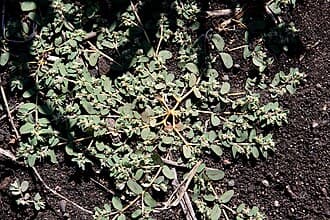
Identify a weed from a photo- 1Prostrate Spurge8.2%▼ falling
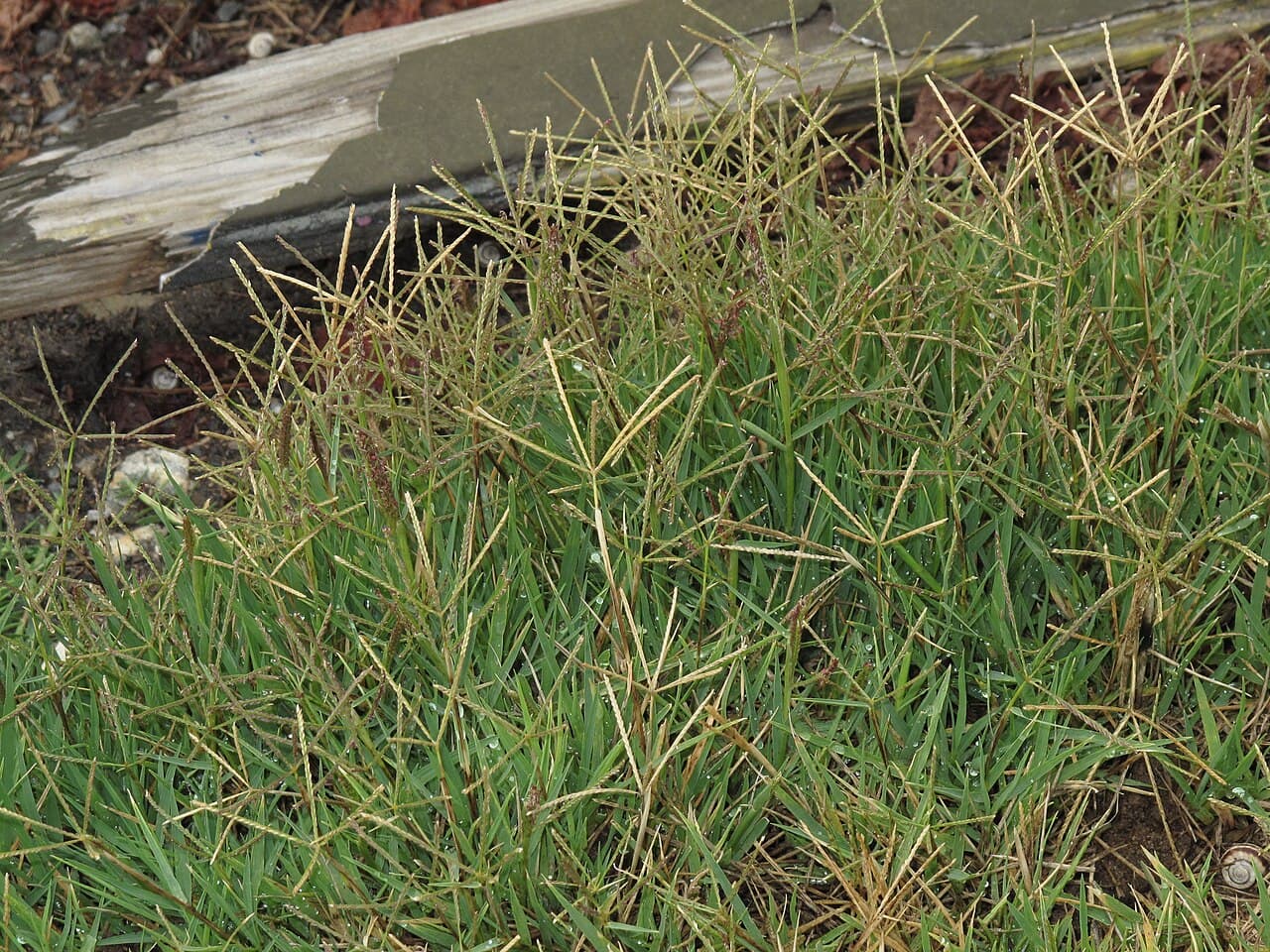
- 2Bermudagrass (in Cool-Season Lawns)6.1%
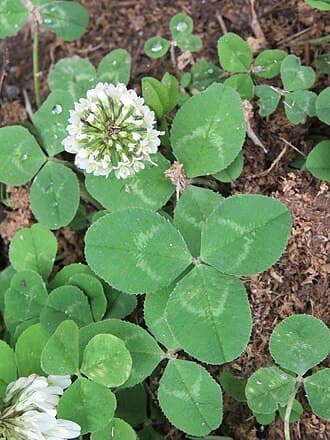
- 3White Clover6.1%▲ rising
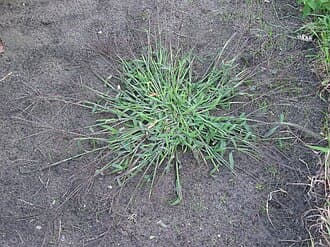
- 4Crabgrass5.8%
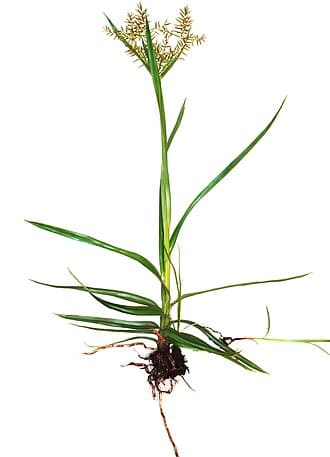
- 5Nutsedge5.2%▼ falling
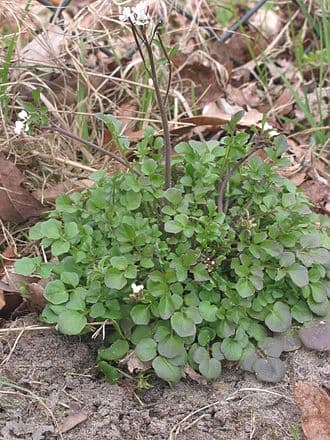
- 6Hairy Bittercress4.6%
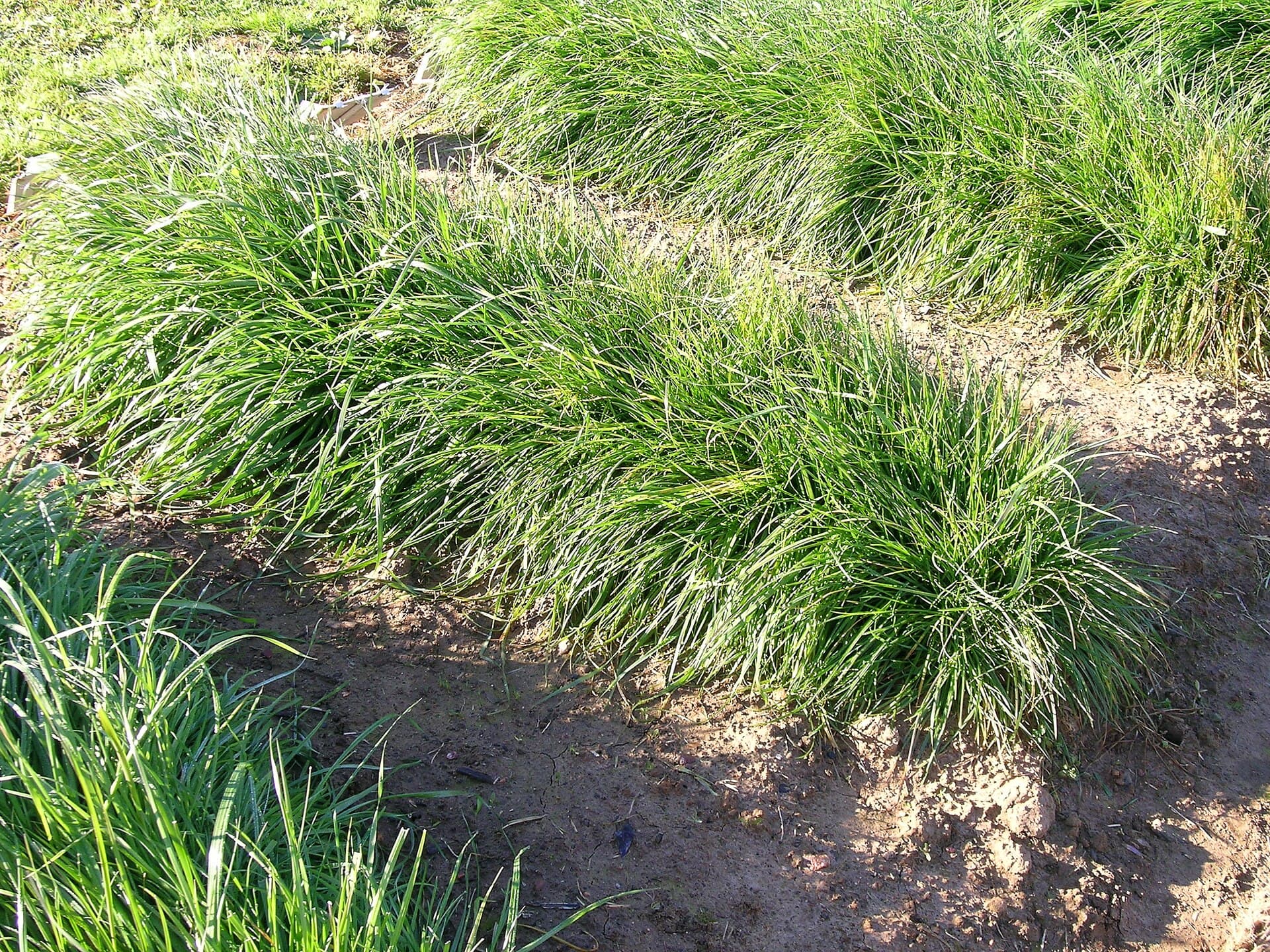
- 7Unwanted Lawn Grasses (Ryegrass, Bentgrass, St. Augustine)4.6%▲ rising
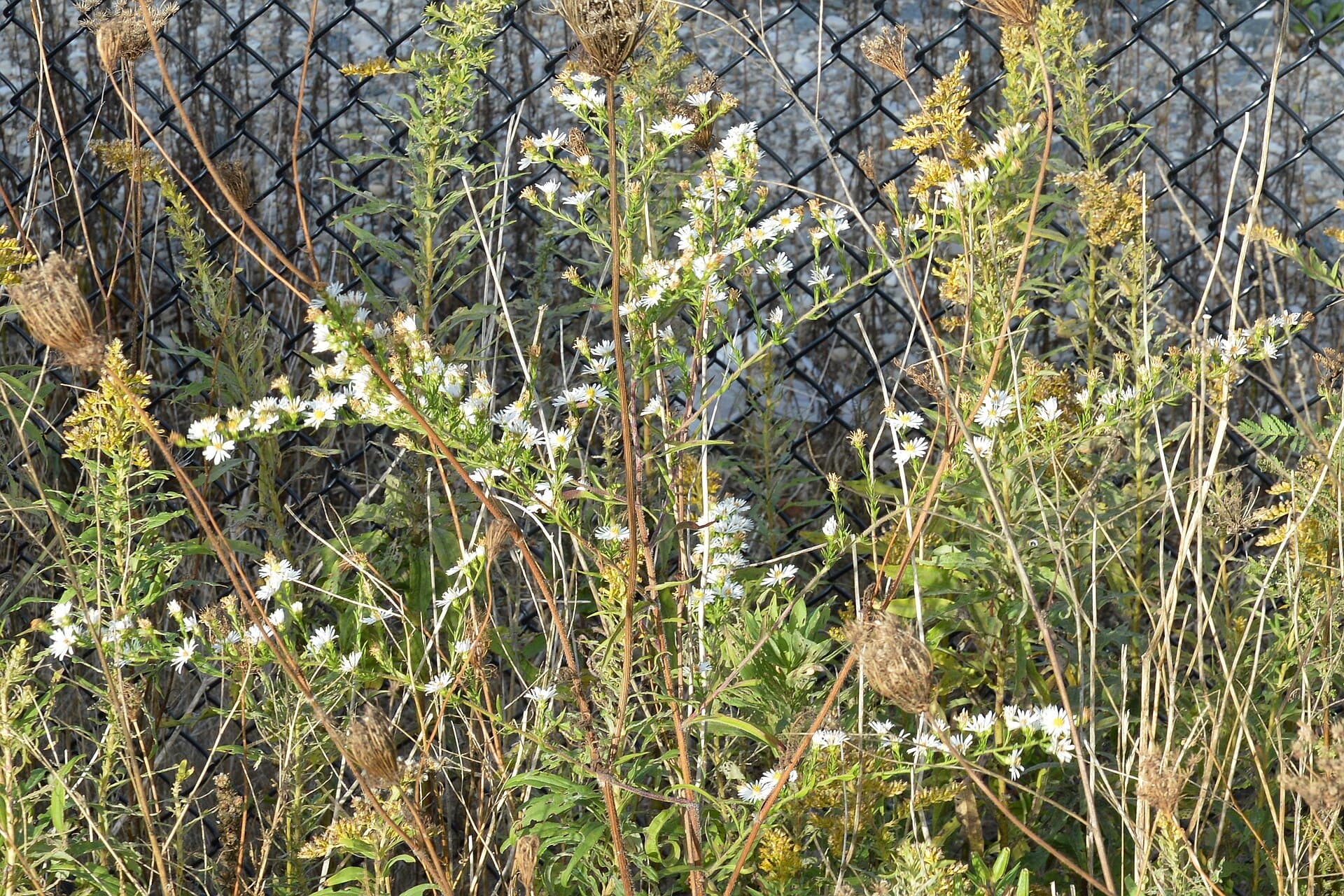
- 8Wild Asters (Frost and Heath)4.6%
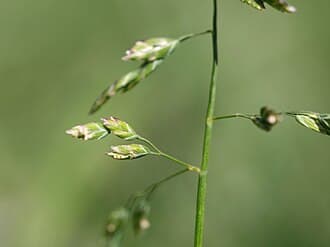
- 9Annual Bluegrass (Poa annua)4.3%
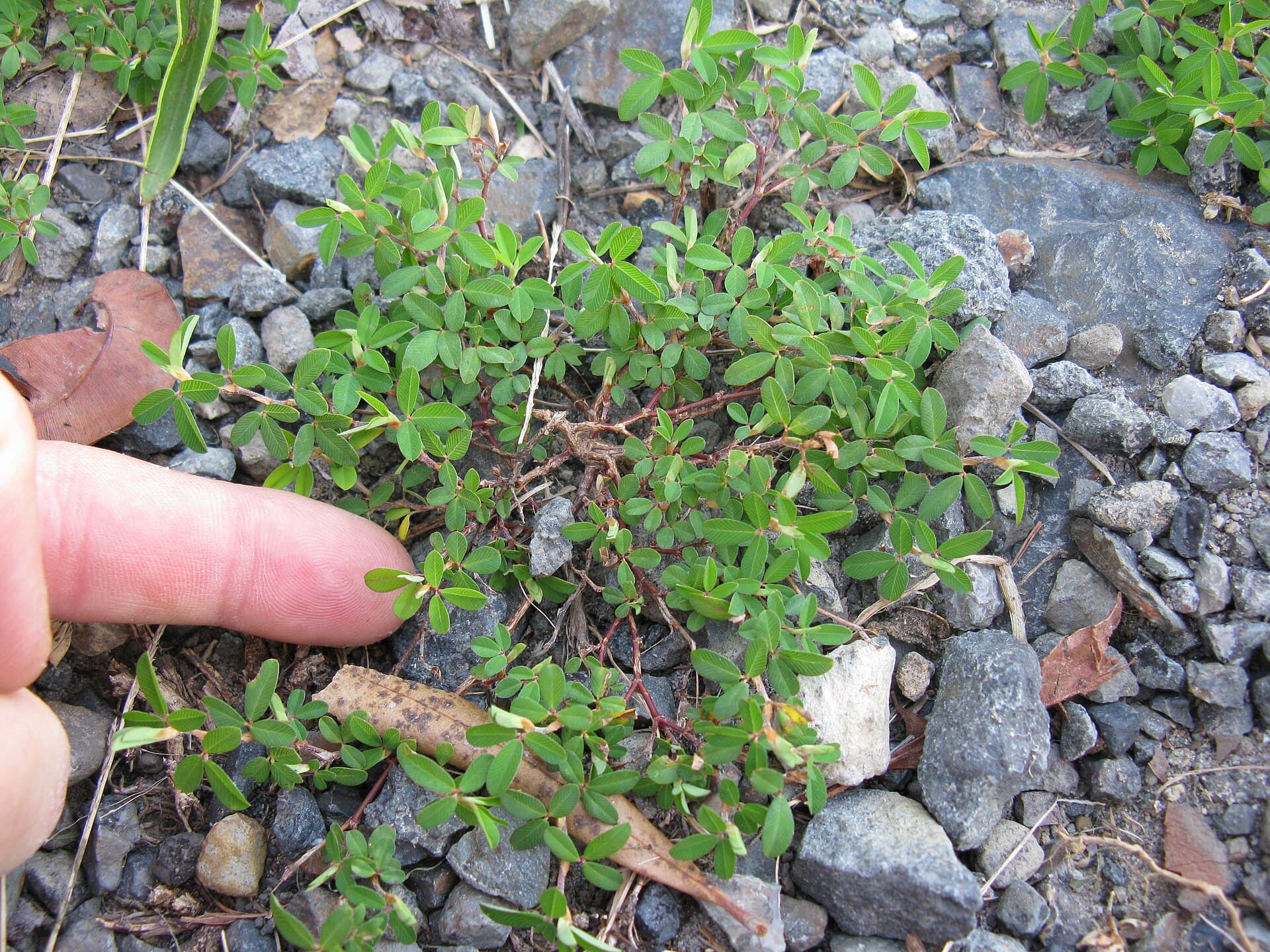
- 10Common Lespedeza (Japanese Clover)4.0%
Photos: Wikimedia Commons, credited on each weed's page.
How Weed Watch works, and its limits
Live soil temperature
Every three hours we read the soil about 2.4 inches (6 cm) down in 170 cities, two to six per state, from Open-Meteo’s weather models: the last two weeks plus a six-day forecast. Spring status uses a 10-day average and fall a 5-day average, matching how extension research defines “holding” a temperature.
Checked against real sensors
NOAA’s U.S. Climate Reference Network measures soil under grass across the lower 48. At the 111 sites with complete data for March–April 2026 the model readings differed by a median of +0.4°F, and at 114 sites from mid-August to mid-September by −1.0°F; a typical single site was within 2–3°F. So read a city’s number as your area’s, not your yard’s — the “about to start” band covers the 5°F before each line for the same reason.
Typical dates
From NASA’s POWER project (daily soil temperature, 2016–2025): the median date across those ten years, each city shifted onto the same scale as the live readings. Checked against extension calendars: the typical day soil cools to 75°F falls inside Clemson’s and UGA’s fall windows, and the spring 50–55°F window matches Illinois, Minnesota, Michigan State and Georgia guidance. Florida follows the University of Florida’s calendar instead.
Identifications
Photo scans that matched a lawn weed in our guide; plants we recommend keeping are left out, and scans from one place within 90 seconds count once. We record only the country and state a scan comes from. National totals count US scans plus those from before we recorded location (September 2026). A state’s own list appears once it has 40 identifications spread over at least 7 days in the last 60.
- Illinois Extension — Managing crabgrass in lawns
- Purdue Turfgrass Science — When will crabgrass germinate?
- University of Minnesota Extension — Crabgrass
- UF/IFAS — Weed Management Guide for Florida Lawns (ENH884)
- UGA Extension — Annual Bluegrass Control in Residential Turfgrass (B1394)
- UGA Extension — Weed Control in Home Lawns (B978)
- Clemson HGIC — Managing weeds in warm-season lawns
- University of Maryland Extension — Annual bluegrass
- Clemson HGIC — Annual bluegrass
- Soil temperature: Open-Meteo.com (CC BY 4.0)
- Typical dates: NASA Langley Research Center (LaRC) POWER Project, funded through the NASA Earth Science/Applied Science Program
- Validation: NOAA U.S. Climate Reference Network
Questions
What soil temperature does crabgrass germinate at?
Crabgrass starts germinating once soil a couple of inches down holds about 55°F or warmer for a week or more (University of Illinois Extension puts it at 55–60°F for 7–10 consecutive days). That is why crabgrass pre-emergent goes down as soil warms through 50°F: it has to be in place before germination starts.
When should I apply fall pre-emergent?
In the South and the transition zone, winter weeds such as annual bluegrass (Poa annua), henbit and chickweed start germinating as soil cools to about 75°F in late summer and fall (Clemson’s trigger is nights at 65–70°F), most come up once it is below 70°F, and they keep coming in flushes into winter. Have pre-emergent down before they start: on our readings that runs from about August 15 in the coolest of those places to October 27 in the warmest. Skip it if you are overseeding: pre-emergent stops grass seed too. In northern lawns fall is seeding season, so most people skip fall pre-emergent and spot-treat broadleaf weeds instead.
How accurate are these soil temperatures?
We checked the live readings against NOAA’s U.S. Climate Reference Network, which measures soil under grass at more than 110 sites across the lower 48. In March–April and mid-August to mid-September 2026 the median difference was about 1°F or less, and a typical single site was within 2–3°F. Your own lawn can differ: shade, slope, irrigation and mulch all move soil temperature a few degrees.
How often is Weed Watch updated?
Soil readings refresh every three hours, with a six-day forecast. The weed identification rankings refresh every six hours.
Cite it, and use it
Free to use with attribution. The page updates itself, so please include the date you looked.
MeasureLawn (2026). Weed Watch: live weed germination tracker for the lower 48 states. Soil temperature for 170 cities, updated every 3 hours; most-identified lawn weed in the last 30 days: Prostrate Spurge (8.2% of identifications). https://measurelawn.com/weed-watch (accessed November 2, 2026).