Free Lawn Care Calendar by Month
A well-timed lawn care schedule is the difference between a patchy lawn and the greenest grass on the street. The right product at the wrong time is wasted money. Here's a general guide — for a free AI lawn plan tailored to your specific grass type and location, use our lawn calculator.
Month-by-Month Lawn Care Guide
January–February · Winter
Plan your season, sharpen mower blades, inspect equipment, order products early for the best prices.
March · Early Spring
Apply pre-emergent herbicide before soil temps reach 55°F. This prevents crabgrass and other weeds from germinating.
April · Spring
First fertilizer application. Begin regular mowing at the correct height for your grass type. Mulch flower beds.
May · Late Spring
Post-emergent weed control for any breakthroughs. Second fertilizer application. Increase watering as temperatures rise.
June–July · Summer
Deep watering (1 inch per week). Raise mowing height to reduce heat stress. Monitor for grubs and fungal disease.
August · Late Summer
Grub control application. Core aerate compacted lawns. Prepare for fall overseeding.
September · Early Fall
Best time to overseed cool-season lawns. Apply starter fertilizer with new seed. Fall pre-emergent for winter weeds.
October · Fall
Autumn fertilizer application. Continue mowing until growth stops. Remove fallen leaves to prevent disease.
November–December · Late Fall/Winter
Final winterizer fertilizer. Lower mowing height for last cut. Clean and store equipment.
The Calendar Is Really a Soil-Temperature Chart
Months are just a stand-in for what your lawn actually responds to: soil temperature. "March" means something different in Tampa than in Columbus, but 55°F soil means the same thing everywhere. These are the triggers behind every date above — you can check the live soil temperature for your area any time.
↑ = soil warming in spring · ↓ = soil cooling in fall
Cool-Season vs Warm-Season: The Calendar Flips
Cool-season lawns (tall fescue, Kentucky bluegrass, ryegrass) peak in spring and fall and coast through summer. Warm-season lawns (Bermuda, Zoysia, St. Augustine, centipede) do the opposite — dormant until soil reaches about 65°F, then growing hardest through the heat. Not sure which you have? The grass type identifier can tell you from a photo.
| Task | Cool-season lawns | Warm-season lawns |
|---|---|---|
| Heaviest feeding | Fall (September–November) | Late spring through summer |
| Overseeding / seeding | Early fall (soil 50–65°F) | Late spring, once soil passes 65°F |
| Core aeration | Early fall, with overseeding | Late spring, at green-up |
| Pre-emergent | Early spring + early fall | Early spring + early fall |
| Mowing height | 3–4 in, higher in summer heat | 1–2.5 in, varies by grass |
Southern Hemisphere? Shift Everything Six Months
In Australia, New Zealand, and South Africa the seasons flip, so read this calendar six months out of phase: your September is the March row, your March is the September row. The soil-temperature triggers above don't change at all — pre-emergent still goes down before soil hits 55°F (13°C), and warm-season lawns still green up around 65°F (18°C). Most Australian lawns (Buffalo, Couch, Kikuyu) follow the warm-season column; New Zealand and Tasmanian lawns are usually Ryegrass or Fescue and follow the cool-season column. Not sure which you have? The grass type identifier covers Australian grasses too.
| Your months (AU / NZ / ZA) | Season | Follow the rows for |
|---|---|---|
| September – November | Spring | March – May |
| December – February | Summer | June – August |
| March – May | Autumn | September – November |
| June – August | Winter | December – February |
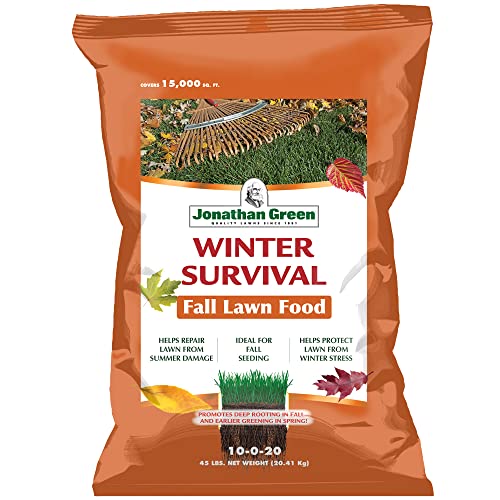
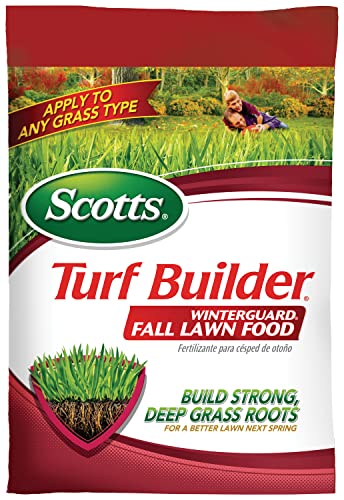
October's top pick: Fall feed
What lawns need this month — curated picks from the catalog.

Why One-Size-Fits-All Calendars Don't Work
A Bermuda lawn in Texas has completely different needs than a Kentucky Bluegrass lawn in Minnesota. Timing, products, quantities, and even mowing heights differ dramatically by grass type, climate zone, and soil conditions.
That's why our free AI lawn plan creates a personalized calendar based on your specific grass type, location, and lawn size — with exact product quantities calculated down to the bag using our lawn area calculator.
Get a plan tailored to YOUR grass type and location
Our AI builds a 12-month calendar based on your exact address, grass type, soil temperature, and lawn size — with product quantities calculated down to the bag.
Get My Free Lawn PlanLawn Care Calendar FAQs
When should I apply pre-emergent?
Before soil temperatures reach 55°F in spring — that is the threshold where crabgrass germinates, and pre-emergent only works if it is down first. In most of the US that is February to April depending on region. A second application in early fall, as soil falls back through 55°F, blocks winter weeds like Poa annua.
When should I fertilize my lawn?
It depends on your grass type. Cool-season lawns (tall fescue, Kentucky bluegrass, ryegrass) take their biggest meals in fall — September and again in October/November — plus a lighter spring feeding. Warm-season lawns (Bermuda, Zoysia, St. Augustine) feed from late spring through summer while they are actively growing, and should not be pushed with nitrogen in fall.
When is the best time to overseed?
For cool-season lawns, early fall — soil is still warm (50–65°F), air is cooling, and weed pressure is at its lowest; aim to seed at least 45 days before your first frost. Warm-season lawns establish best from late spring once soil passes 65°F. Spring overseeding of cool-season lawns works but fights pre-emergent timing and summer heat.
Is the calendar different for warm-season and cool-season grass?
Substantially. Cool-season lawns peak in spring and fall and rest in summer; warm-season lawns do the opposite — dormant until soil hits about 65°F, then growing hardest through the heat. Feeding, seeding, and aeration timing flip accordingly, which is why a calendar that does not know your grass type will have you fertilizing at the wrong time of year.
What order should spring lawn care tasks go in?
Clean up debris and rake out dead patches first; get pre-emergent down before soil hits 55°F; make the first mow once the grass is actively growing (never scalp it); feed once growth is well underway; then spot-treat any weeds that break through. Seeding and spring pre-emergent conflict — the same barrier that stops crabgrass stops your grass seed, so pick one per zone.
Does this lawn care calendar work in Australia and New Zealand?
Yes — shift every month by six. September in Australia is the equivalent of March in this calendar, December matches June, and so on. The soil-temperature triggers are identical everywhere: pre-emergent before soil reaches 55°F (13°C), warm-season green-up around 65°F (18°C). Most Australian lawns — Buffalo, Couch, and Kikuyu — are warm-season grasses, so they follow the warm-season timings; New Zealand and Tasmanian lawns are typically Ryegrass or Fescue and follow the cool-season timings.