Lawn Aeration: When to Aerate — and Whether You Actually Need To
Core aeration is the highest-impact thing you can do for a compacted lawn — and a waste of a Saturday on a lawn that isn't compacted. Here's how to tell which one you have, exactly when to aerate for your grass type, what it costs to hire, rent, or buy in 2026, and what the research actually says about liquid aeration and spike shoes.
Key takeaways
- Most lawns don't need aeration every year. Clay soil, heavy foot traffic, or thatch over ½″ are the real triggers — do the screwdriver test first.
- Timing beats technique. Cool-season lawns: late Aug–early Oct. Warm-season: late May–July. Never aerate dormant grass.
- Core beats spike — hollow tines remove soil and relieve compaction; solid spikes just compress the hole walls.
- Aerate first, overseed the same day. The open holes are the best seed-to-soil contact of the year.
- Budget $75–$205 for a pro or $55–$120 to rent — the break-even depends entirely on your square footage.
Does Your Lawn Actually Need Aeration?
Here's the part lawn-service ads skip: aeration fixes compaction, and only compaction. If your soil isn't compacted, aerating it is harmless but pointless — university turf programs are blunt that most lawns don't need it on an every-year schedule. Sixty seconds with a screwdriver tells you the truth.
The 60-second screwdriver test
A day after rain or a deep watering, push a long screwdriver into the lawn. If it slides in 3–4 inches with moderate hand pressure, your soil is fine — skip aeration this year. If you have to lean on it, or it stops at an inch or two, you've found compaction worth fixing.
Other signs compaction is costing you grass:
Water puddles or runs off
Rain that sheets toward the driveway instead of soaking in is the classic giveaway — the soil surface has sealed up.
Worn paths and thin patches
Where kids, dogs, and mowers travel, traffic squeezes the air out of soil. Grass thins exactly along those routes.
Roots shallower than 2 inches
Lift a small wedge of turf. Healthy roots drive 4–6 inches down; compacted soil stops them near the surface, so the lawn browns fast in heat.
Thatch over half an inch
A thick spongy layer above the soil keeps water and air out. Aeration helps break it down — and past 1 inch you should dethatch too.
Rule of thumb: heavy clay soil, new-construction lots (where builders compacted the subsoil), and high-traffic family lawns benefit almost every year. Sandy, lightly used lawns often go years without needing it. If you're not sure what soil you have, grab a handful when damp — clay ribbons and smears, sand falls apart, loam crumbles.
When to Aerate Your Lawn
Aerate cool-season lawns (fescue, bluegrass, ryegrass) from late August to early October, and warm-season lawns (Bermuda, Zoysia) from late May through July. The principle behind both dates is the same: aerate at the start of your grass's strongest growth surge, so the holes fill with new roots instead of weeds.
When to Aerate, by Grass Type
Cool-season grass: early fall is prime
Fall aeration wins for three reasons — soil is warm and biologically active, cool air favors grass over weeds, and the crabgrass season is ending, so open holes don't become weed nurseries the way they do in spring. The trigger to watch is soil temperature: 50–65°F at 2 inches and falling (check yours on the live soil temperature map). April is the backup window if fall gets away from you. Not sure which type you have? The grass type identifier sorts it in a minute.
Warm-season grass: wait for full green-up
Bermuda, Zoysia, and their cousins repair fastest in the heat. Aerate from late May through July, once the lawn is fully green and growing hard — never during spring green-up, and never in fall, when cooling weather leaves the holes open all winter.
Is it too late in October?
For aeration alone: no — you can pull plugs until a few weeks before the ground freezes. For the aerate-and-overseed combo, work backwards from your first frost: seedlings need about 6 weeks of growing weather to survive winter. That makes late September the practical deadline in the North and early-to-mid October in the transition zone.
Earlier beats later. An August aeration with warm soil grows roots for two full months before frost; an October one gets two weeks. If you're on the fence about the date, move it up, not back.
What Is Core Aeration?
Core (or plug) aeration uses hollow metal tines to physically remove cylinders of soil from the lawn and deposit them on the surface. Each hole is a channel for water, air, and fertilizer — and a pressure-relief valve for the soil around it, which relaxes into the space over the following weeks.
What Core Aeration Actually Changes
Leave the plugs where they fall. They look untidy for a couple of weeks, then crumble back in — returning nutrients and topsoil microbes that help digest thatch. Raking them up throws that benefit away.
Plug vs spike aerators
This distinction matters more than any brand choice. Hollow tines remove soil; solid spikes — including spiked rollers and strap-on shoes — just push it aside, compressing the walls of each hole. On the clay soils that need aeration most, spiking can leave the ground denser than it started. Extension guidance is unanimous on the mechanism: only removing soil relieves compaction.
Plug vs Spike: Only One Removes Soil
How Often to Aerate, by Soil Type
Frequency is a soil question, not a calendar question. Clay compacts under its own weight and every footstep; sand barely compacts at all.
| Soil type | How often | How to tell |
|---|---|---|
| Clay / new construction | Every year — twice in bad cases | Damp soil ribbons and smears between your fingers; dries brick-hard |
| Loam | Every 1–2 years | Crumbles like chocolate cake when damp — the good stuff |
| Sandy | Every 2–3 years at most | Falls apart in your hand; water drains almost instantly |
| High-traffic areas (any soil) | Every year | Play areas, dog runs, mower routes — anywhere grass wears thin in lines |
Don't bother over-aerating sandy soil. Aeration works by relieving pressure, and sand has almost none to relieve — extra passes buy you nothing. Every 2–3 years is plenty.
How to Aerate and Overseed: The Fall One-Two Punch
Aeration and overseeding were made for each other, and early fall is the one window where both are at their best. The holes catch seed and hold it against moist soil — contact you cannot get by scattering seed on unbroken ground. Here's the full sequence:
Check the thatch — dethatch first if it’s over ½ inch
Skip if thatch is thin
Cut a small wedge of turf with a trowel and measure the spongy brown layer sitting between the green blades and the soil surface. Under half an inch, it's protective — leave it. Over half an inch, it blocks water and seed, so run a dethatcher before you aerate (same day works — dethatch first, then aerate).
Mow a notch shorter and water the day before
1 day before
Drop the mower one setting so seed can reach soil later, then put down about an inch of water the day before you aerate. Tines need moist soil to pull full 2–3″ plugs — in dry ground they bounce, in soggy ground they smear. The day after a good rain is perfect.
Mark sprinkler heads and shallow lines
10 minutes that saves $200
Flag every irrigation head, shallow drip line, invisible-fence wire, and low-voltage lighting run. A core aerator punches 2–4 inches deep, several hundred times a minute, and it will find anything you forgot.
Make two passes at right angles
Target: 20–40 holes / sq ft
A single pass leaves roughly half the hole density you want. Run the second pass perpendicular to the first — the criss-cross pattern is what gets you to 20–40 holes per square foot on compacted ground. Lift the tines on tight turns so you don't tear the turf.
Overseed the same day
While the holes are open
Those open holes are the best seedbed you'll ever get without renting a slit-seeder — spread seed immediately and a surprising amount drops straight in. Rates and seed choice are their own topic: the fall overseeding guide covers both, and the seed calculator turns your square footage into pounds and bags.
Starter fertilizer within 48 hours
High-phosphorus starter — never weed & feed
A starter feeding is formulated with extra phosphorus to push root growth in seedlings. Apply it the same day or within 48 hours, and keep any weed-and-feed product in the garage — the herbicide in it stops your new seed from germinating at all. Aerating without seeding? Then this slot is the year's most valuable feeding for cool-season grass instead — about 1 lb of nitrogen per 1,000 sq ft, which the fertilizer calculator converts into pounds of whatever bag you bought.
Water lightly, 2–3 times a day
First 2–3 weeks
The seedbed must never dry out. Short, light waterings two or three times a day keep the top inch moist until the new grass is up, then taper to deeper, less frequent soakings to train roots downward. This step is where overseeding succeeds or fails.
Seed, fertilizer, and aeration quotes all price by square footage
Measure your lawn free on satellite imagery — takes about two minutes, no account — and every number on this page becomes exact instead of a guess.
Measure My Lawn — FreeCore aeration tools that actually pull plugs
Hollow-tine only — a manual corer for small problem areas and a tow-behind for big lawns with a rider. Renting a walk-behind machine covers everything in between.

Yard Butler Lawn Coring Aerator
Beginner friendlyManual step-on coring aerator — best for lawns under 5,000 sq ft, or spot-treating compacted patches on any lawn.
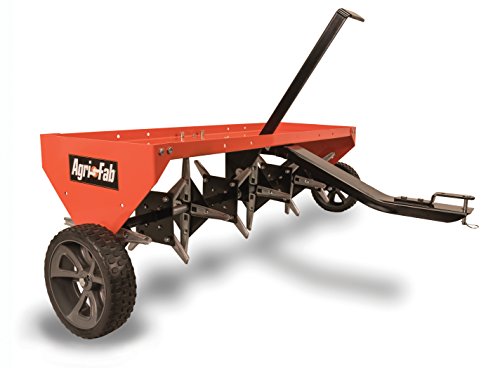
Agri-Fab 48-Inch Tow Plug Aerator
Tow-behind plug aerator for riding mowers and tractors — best for lawns over 15,000 sq ft.
As an Amazon Associate, Measure Lawn earns from qualifying purchases.
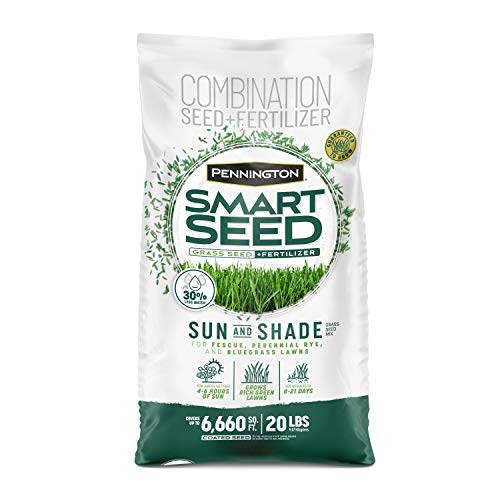
Seed to drop into fresh aeration holes
Cool-season seed and blends for the fall aerate-and-overseed window. Order before the September rush.


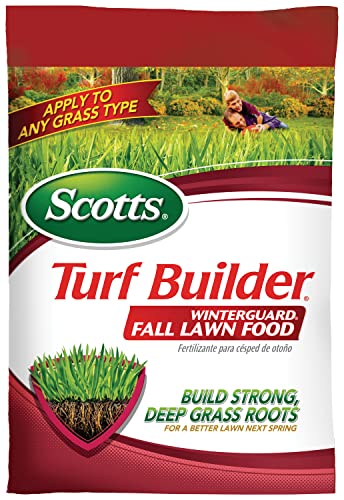
Fall feeding for freshly aerated lawns
Fertilizer applied right after aeration follows the holes straight to the roots — the most efficient feeding of the year.


Lawn Aeration Cost: Hire vs Rent vs Buy
Aeration is priced by area, so the right answer depends on your square footage — not on anyone's one-size-fits-all advice. The 2026 market rates:
| Option | Typical 2026 cost | Worth knowing |
|---|---|---|
| Hire a pro | $75–$205 per visit · avg ~$140 for a ¼ acre | Pros price at $15–18 per 1,000 sq ft with a minimum charge — small lawns pay the minimum |
| Rent a core aerator | $55–75 half-day · $80–120 per day | Machines weigh 200+ lb; you’ll need a truck or trailer and a helper to load it |
| Pro aeration + overseeding | $0.08–0.18 per sq ft | Seed and starter fertilizer are usually included — compare against DIY seed costs |
| Manual core aerator | see tools above | Realistic for small problem patches and repair spots, not whole lawns |
Aeration cost for your lawn size
At $15–18 per 1,000 sq ft with typical minimum charges. Zero effort, done in under an hour.
Half-day $55–75, full day $80–120 — plus a truck or trailer. Budget ~1–2 hrs of machine time at this size.
A tow-behind plug aerator makes sense for large lawns you'll aerate every year — it needs a riding mower to pull it.
Verdict for 5,000 sq ft: The half-day rental is the sweet spot at this size — if you can haul the machine. Hiring it out runs about $75–$100, so the rental saves real money only if your time is cheap that Saturday.
Guessing at your square footage? Measure your lawn free on satellite — every option above prices by the square foot.
2026 national figures from Angi, HomeGuide, and LawnStarter. Local quotes vary.
Hiring it out? Get more than one quote — per-visit prices for identical work vary widely. In Middle Tennessee, see our local guide to aeration & overseeding in Nashville.
Liquid Aeration & Aerator Shoes: What the Evidence Says
Two products dominate aeration marketing because they promise the result without the work. The research record deserves a straight summary:
Liquid "aeration": not a substitute for coring
These sprays are surfactants and humic acids. University turf programs (Nebraska–Lincoln and Colorado State among them) note there's no solid evidence they relieve soil compaction — the active ingredients are far too dilute to change soil structure. Fair credit where due: as wetting agents they can help water soak into hydrophobic or crusted soil. But if a screwdriver won't go into your lawn, no spray will fix that. Nothing loosens compacted soil except physically removing some of it.
Aerator shoes: save your money
A University of Arkansas turf specialist ran the numbers: walking a 10×10-ft patch punches spikes into a fraction of one percent of it — you'd need over a hundred passes for meaningful coverage. Worse, they're solid spikes, which compress soil sideways; on clay they can add compaction. We sell lawn gear on this site, and we won't link these.
Further reading: Garden Myths on liquid aeration · Family Handyman on aerator shoes
Aeration vs Dethatching: Which One — and Which First?
They get confused because both happen in fall and both make the lawn look worse for a week. They fix different problems:
| Core aeration | Dethatching | |
|---|---|---|
| Fixes | Compacted soil below the surface | The spongy dead layer above the soil |
| Do it when | Screwdriver test fails; water runs off | Thatch measures over ½–1 inch |
| Tool | Core (plug) aerator | Dethatcher / power rake / scarifier |
| Season | Early fall (cool) · early summer (warm) | Same windows — active growth only |
Need both? Dethatch first, then aerate — clearing the thatch mat lets the aerator tines reach full depth. Same day is fine, and both slot naturally into the fall checklist sequence right before overseeding.
What to Do After Aerating
First 48 hours
Seed and starter-fertilize if you’re overseeding, then water. The holes take everything straight to the root zone.
Week 1
Hold off mowing about a week. Plugs look rough — leave them; they’re working.
Weeks 2–6
Plugs crumble back in and disappear. If you seeded, mow once new grass hits ~3 inches, and skip herbicides until you’ve mowed it 3–4 times.
Myth-bust: aerating does not tear up your spring pre-emergent barrier — university trials found no loss of crabgrass control after coring. The genuine conflict is with seeding: pre-emergent blocks grass seed too, so never do both in the same season.
Lawn Aeration FAQ
When is the best time to aerate a lawn?
For cool-season grass (fescue, bluegrass, ryegrass): late August to early October, when soil is 50–65°F and falling — finish at least 6 weeks before your first frost. For warm-season grass (Bermuda, Zoysia): late May through July, once the lawn is fully green and growing hard. Never aerate dormant grass.
Should I aerate in spring or fall?
For cool-season lawns, fall wins clearly: the holes fill in with new grass instead of crabgrass, the recovery weather is ideal, and it pairs with overseeding. April is the backup window if you missed fall. Warm-season lawns are the exception — aerate those in late spring or early summer.
How often should you aerate your lawn?
Clay soil or heavy foot traffic: once or twice a year. Loam: roughly once a year or every other year. Sandy soil: every 2–3 years at most — sand barely compacts, so extra passes buy you nothing. Many low-traffic lawns on decent soil do not need annual aeration at all.
How do I know if my lawn needs aeration?
Do the screwdriver test: a day after rain or watering, push a screwdriver into the soil. If it will not slide in 3–4 inches with moderate hand pressure, the soil is compacted. Other signs: water puddling or running off, thinning grass over heavy-traffic paths, roots shallower than 2 inches, and a thatch layer over half an inch.
Should I aerate before or after overseeding?
Aerate first, then overseed immediately — the open holes give seed perfect seed-to-soil contact and protect it from washing or blowing away. Spread seed the same day while the holes are open, then apply starter fertilizer and keep the seedbed moist.
How short should I cut grass before aerating?
One mower setting lower than usual — about 2 to 2½ inches for tall fescue or Kentucky bluegrass, down from the usual 3 to 4. That lets the tines reach the soil and, if you overseed, lets seed drop into the holes. Don’t scalp it: taking off more than a third of the blade at once stresses the lawn right before you pull plugs from it. Mow a day or two ahead and bag the clippings.
Should I fertilize before or after aerating?
After. Fertilizer applied right after aeration follows the water down into the root zone. If you are overseeding, use a high-phosphorus starter fertilizer within 48 hours of seeding — and never weed-and-feed, because the herbicide in it stops grass seed from germinating.
What do I do with the plugs after aeration?
Leave them on the lawn. The plugs break down in 2–6 weeks and return soil and microbes to the surface, where they help decompose thatch. Once they have dried a few days, normal mowing crumbles them faster. Raking them up removes the benefit and adds work.
How long after aerating can I mow?
If you only aerated, mow again after about a week. If you overseeded, wait until the new grass reaches roughly 3 inches — usually 3–4 weeks — then mow with sharp blades and gentle turns.
Can you aerate when the ground is wet?
Moist is perfect — the day after rain or a deep watering. Saturated is not: soggy soil smears and glazes around the tines, plugs turn to mud clods, and your footsteps compact the wet ground further. Bone-dry is equally bad, because the tines just bounce off. Aim for the middle.
Is it too late to aerate in October?
For aeration alone, you can go until a few weeks before the ground starts to freeze. For the aerate-and-overseed combo, count backwards: new grass needs about 6 weeks of growing weather before the first hard frost, which makes late September the practical deadline across most of the northern half of the country and early-to-mid October in the transition zone.
Does aeration ruin my pre-emergent barrier?
No — this one is a myth. University field trials (Michigan State, Georgia, and North Carolina among them) found core aeration did not reduce crabgrass control from a properly applied pre-emergent. The real conflict runs the other way: pre-emergent stops grass seed too, so skip it in any season you overseed.
Do lawn aerator shoes work?
No. The math is unforgiving — strapping on spikes and walking the lawn covers a tiny fraction of one percent of the surface per pass, and solid spikes compress soil sideways rather than removing it, which can make clay soils worse. If you want real compaction relief, pull plugs with a core aerator.
Every option on this page prices by the square foot
Measure your lawn free on satellite imagery, then get a 12-month plan that schedules aeration, overseeding, and feeding for your exact grass type and region.
Measure My Lawn — It's Free