What type of grass do I have?
Snap a close-up of a few blades and AI names your grass in seconds — or check it yourself by blade tip, color, and runners with the 3-step guide below.
Close-ups only — fill the frame with a few blades so the AI can see width, tips and texture. A photo of the whole lawn from standing height won't work.
How to identify your grass in 3 steps
Check your climate zone
Cool-season grasses grow north of roughly the Virginia-to-Kansas line (Kentucky Bluegrass, Tall Fescue, Ryegrass, Fine Fescue). Warm-season grasses grow south of it (Bermuda, Zoysia, St. Augustine, Centipede, Bahia). This immediately cuts your options in half.
Examine the blade
Pull a single blade and look at the tip: boat-shaped = Kentucky Bluegrass, pointed = Tall Fescue or Ryegrass, rounded = St. Augustine or Centipede, needle-thin = Fine Fescue. Also note the width, texture, and color — light apple-green is Centipede, dark blue-green is Kentucky Bluegrass.
Check the growth habit
How does the grass spread? Underground runners (rhizomes) = Kentucky Bluegrass. Above-ground runners you can see on the soil (stolons) = Bermuda, St. Augustine, Zoysia. Clumping with no runners = Tall Fescue or Perennial Ryegrass.
Quick lookup: what grass is this?
Match what you see in your lawn to the most likely grass type.
| What you see | Most likely grass |
|---|---|
| Boat-shaped blade tip, dark blue-green | Kentucky Bluegrass |
| Wide flat blades, rounded tips | St. Augustine |
| Coarse, wide pointed blades, growing in clumps | Tall Fescue |
| Glossy, bright green, pointed tips, southern UK lawn | Perennial Ryegrass |
| Needle-thin blades, shaded area | Fine Fescue |
| Fine grey-green blades, spreads aggressively, southern lawn | Bermuda Grass (Couch in Australia) |
| Broad soft blades, thick surface runners, Australian suburb | Buffalo (Sir Walter) |
| Vivid light-green, grows faster than everything around it (AU/NZ) | Kikuyu |
| Stiff, prickly blades, dense carpet feel | Zoysia |
| Light apple-green, low-maintenance southeastern lawn | Centipede |
| Coarse, tough blades with Y-shaped seed heads | Bahia |
| Fine curling grey-green blades, native plains lawn | Buffalo Grass |
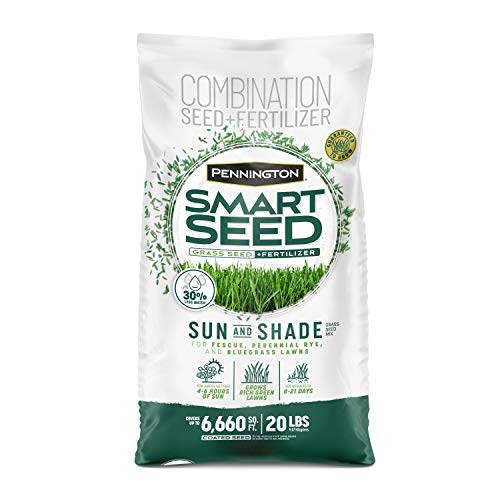
Grass seed to match your result
Once you know your grass type, overseed with the same species to thicken it up or repair bare spots.


Cool-season vs. warm-season at a glance
Cool-Season
Grows best 50–65°F
Northern US
Active: spring & fall
Kentucky Bluegrass, Tall Fescue, Ryegrass, Fine Fescue
Warm-Season
Grows best 65–95°F
Southern US
Active: summer
Bermuda, Zoysia, St. Augustine, Centipede, Bahia
All 10 common US lawn grasses
Every grass has a full photo guide — other names it goes by, how to care for it, and the right seed for bare spots. Browse them all in the lawn grass guide.
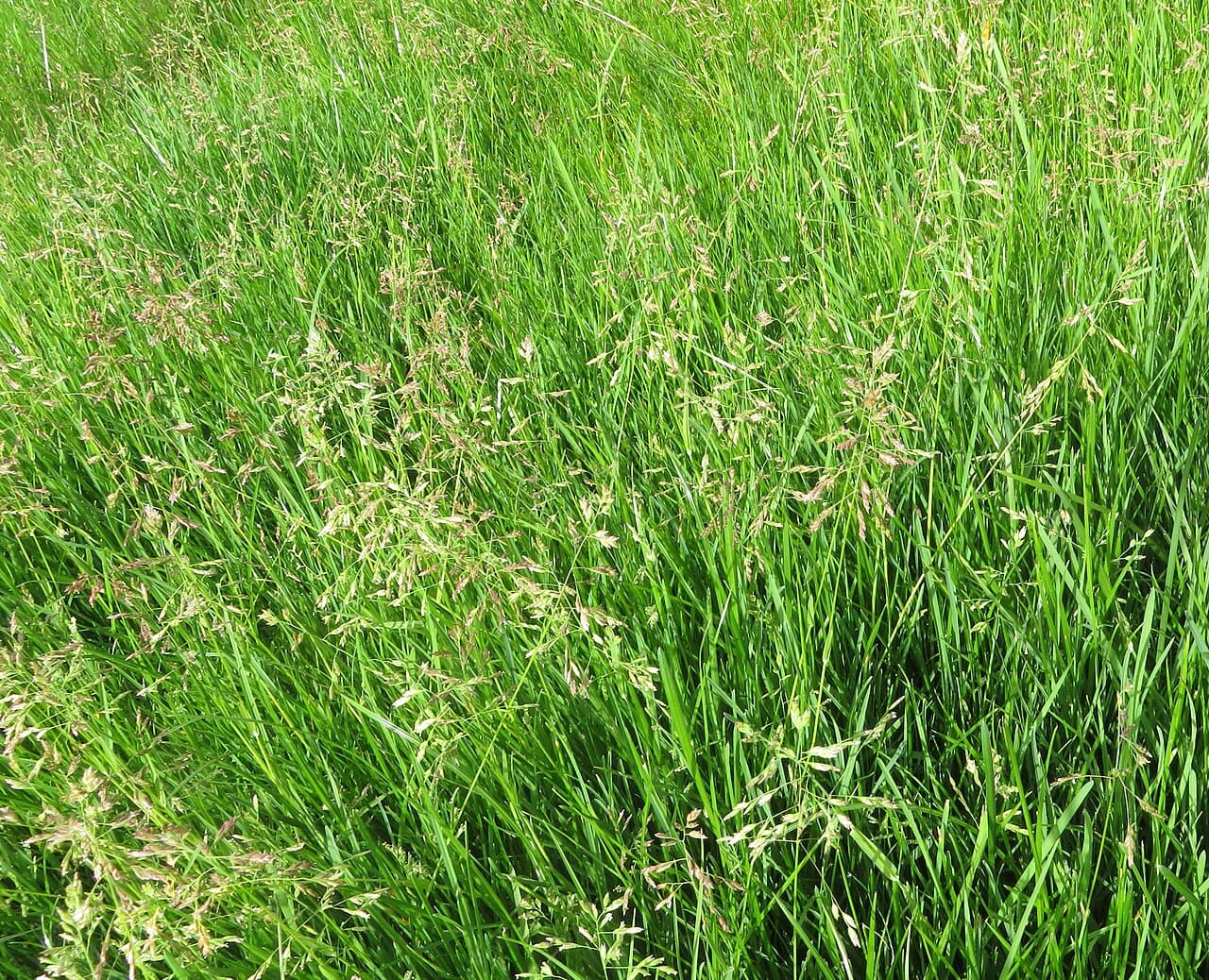
Kentucky Bluegrass
Cool-seasonDark green, fine texture, spreads by rhizomes. The classic American lawn grass. Needs moderate water and full sun.
How to identify: Boat-shaped blade tips, dark blue-green color, fine to medium texture. Pull a blade and look for the distinctive canoe-shaped tip.
Read the full guide →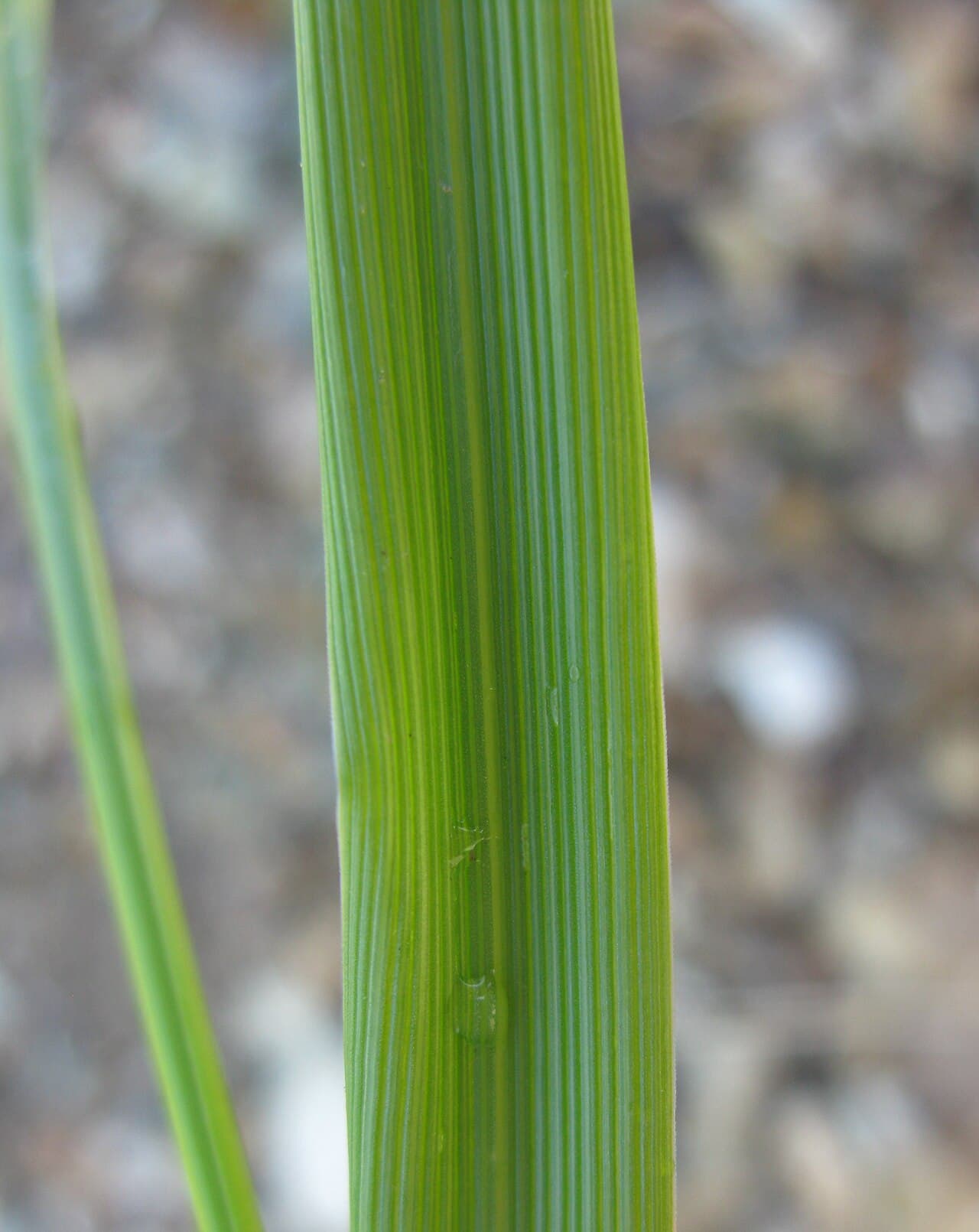
Tall Fescue
Cool-seasonCoarser texture, deep roots, drought-tolerant for a cool-season grass. Great for the transition zone where summers get hot.
How to identify: Wide blades with pointed tips, prominent veins on upper leaf surface. Grows in clumps (bunching habit) rather than spreading.
Read the full guide →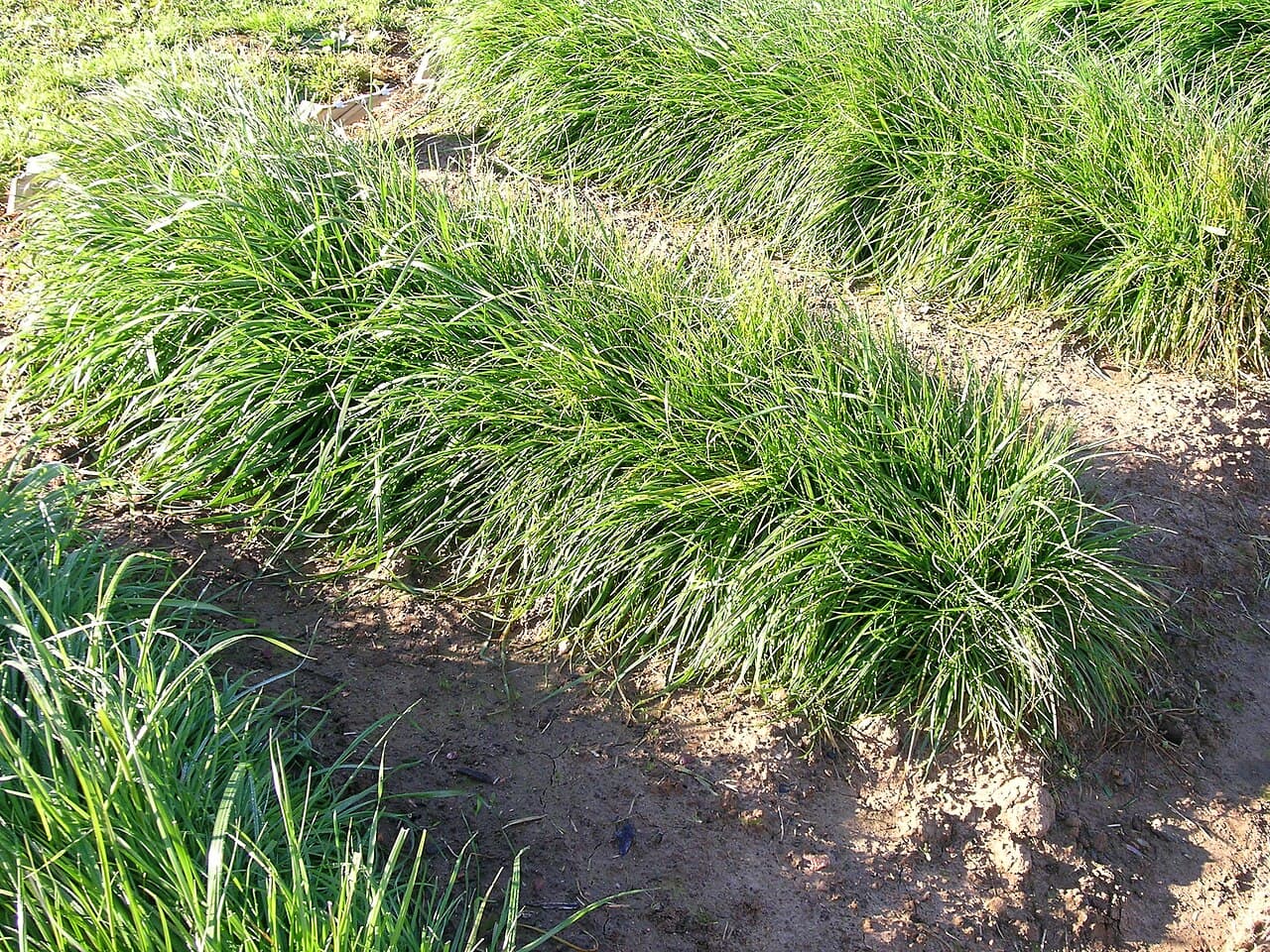
Perennial Ryegrass
Cool-seasonQuick germination, fine texture, bright green. Often used for overseeding. The most common lawn grass in the UK.
How to identify: Glossy, bright green blades with a shiny underside. Pointed blade tips and prominent veins. Folds in the bud rather than rolling.
Read the full guide →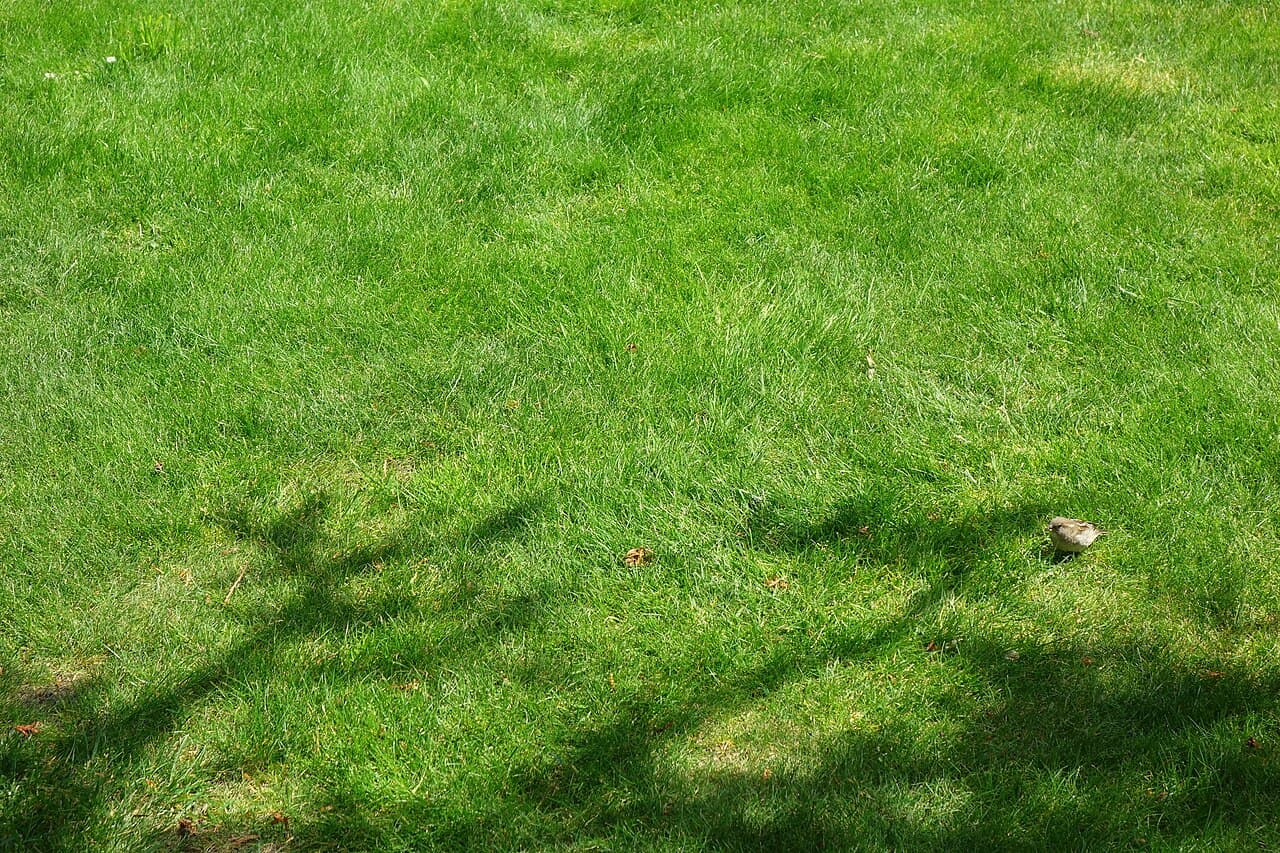
Fine Fescue
Cool-seasonVery fine, needle-like blades. Excellent shade tolerance. Low maintenance and drought tolerant. Ideal for shady lawns.
How to identify: Extremely narrow, needle-like blades that feel wiry. Medium green color. Blades are the thinnest of any common lawn grass.
Read the full guide →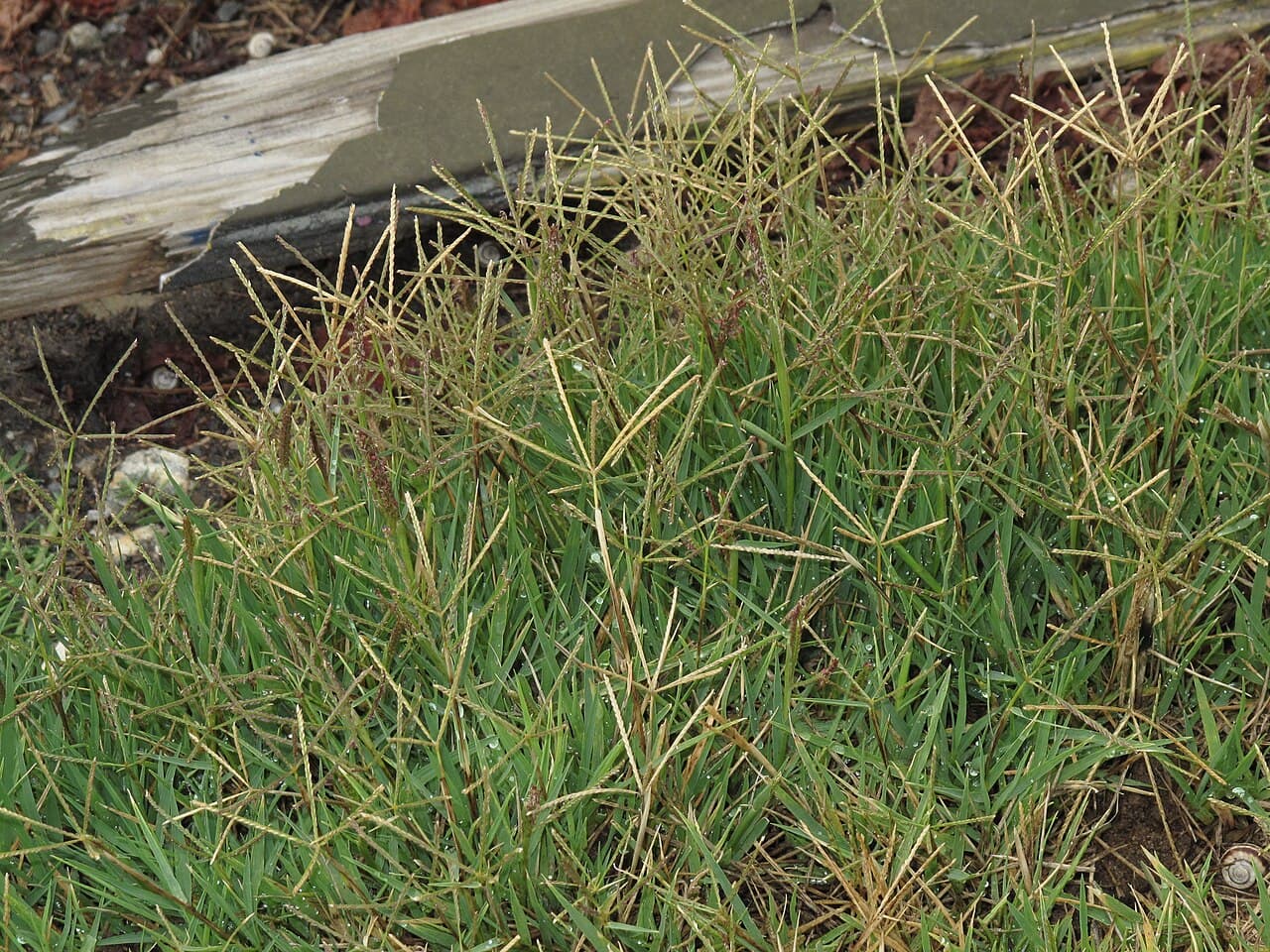
Bermuda Grass
Warm-seasonFine texture, aggressive spreader, extremely heat and drought tolerant. Goes dormant (brown) in winter.
How to identify: Fine blades with pointed tips, grey-green to dark green color. Spreads aggressively by both stolons (above ground) and rhizomes (below ground).
Read the full guide →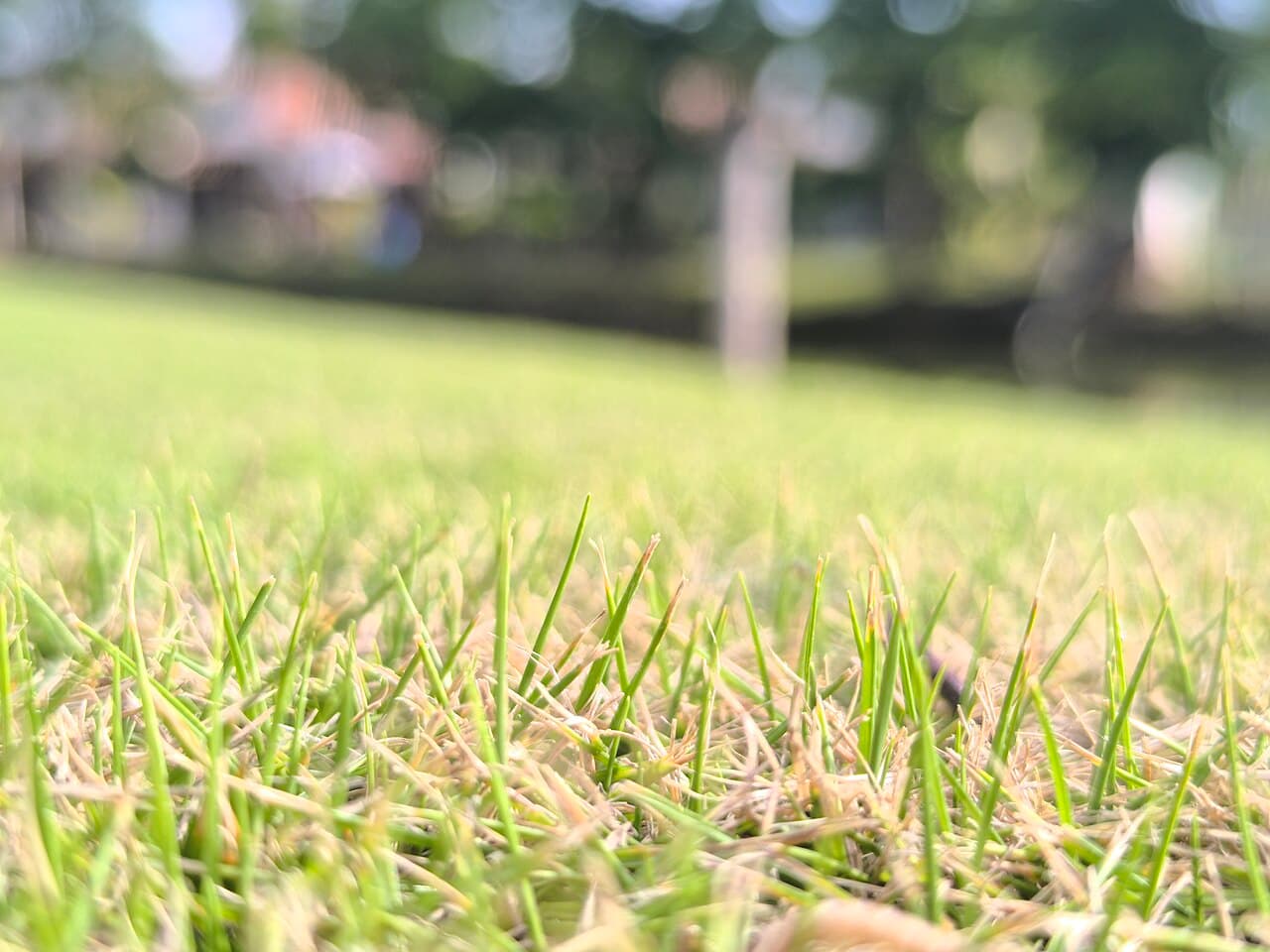
Zoysia
Warm-seasonDense, carpet-like feel. Slow to establish but very durable once mature. Good shade tolerance for a warm-season grass.
How to identify: Stiff, wiry blades that feel prickly when you walk barefoot. Very dense growth creates a thick carpet. Rolled in the bud.
Read the full guide →
St. Augustine
Warm-seasonCoarse, wide blades. Excellent shade tolerance. Not available as seed — must be installed as sod or plugs.
How to identify: Very wide, flat blades with rounded tips — the widest of any common lawn grass. Dark green color. Spreads by thick stolons only.
Read the full guide →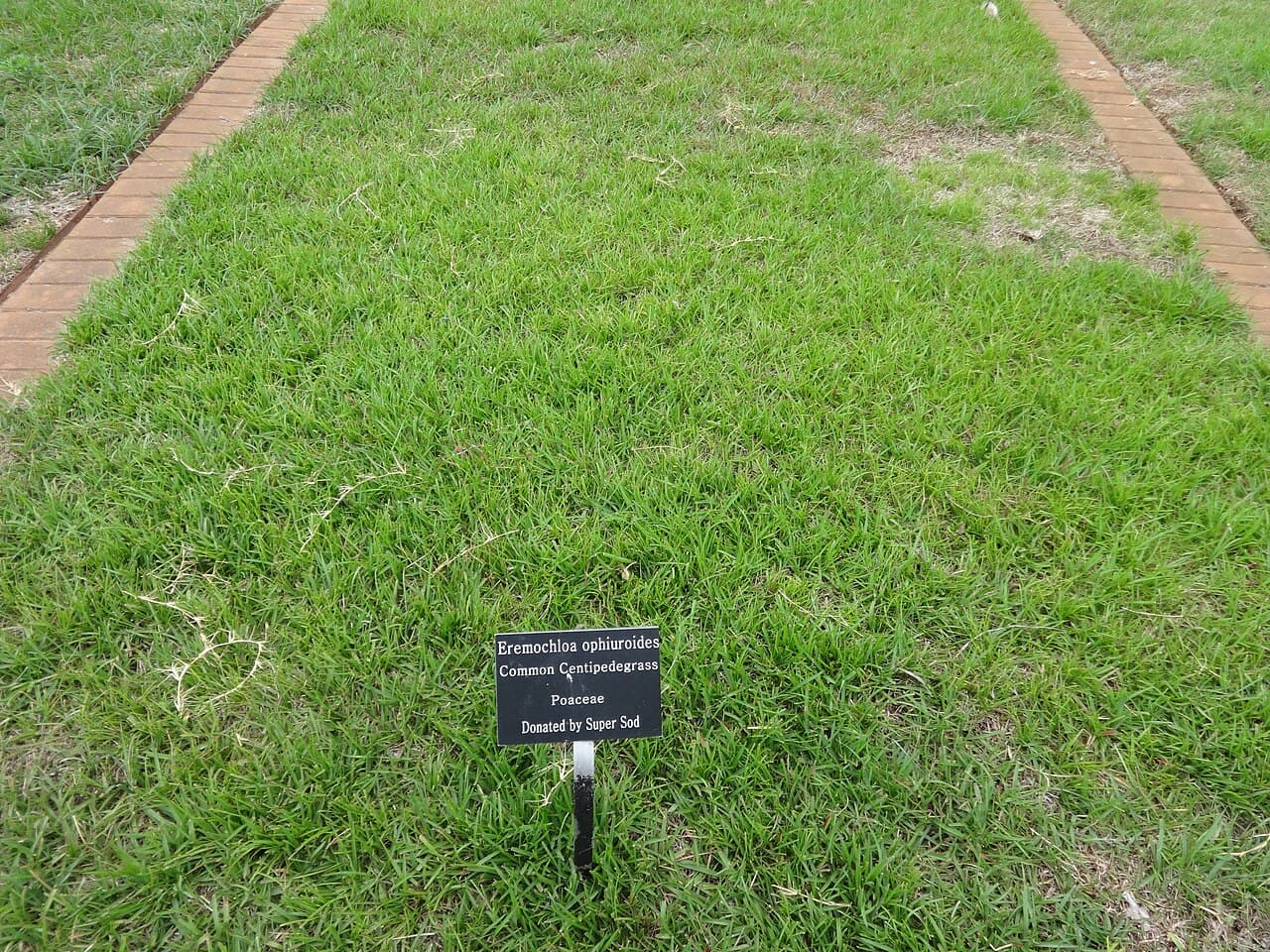
Centipede Grass
Warm-seasonLight green, coarse texture. Very low maintenance — needs less fertilizer than any other lawn grass. Acidic soil lover.
How to identify: Medium-width blades with rounded tips, distinctive light apple-green color (lighter than most grasses). Spreads by stolons.
Read the full guide →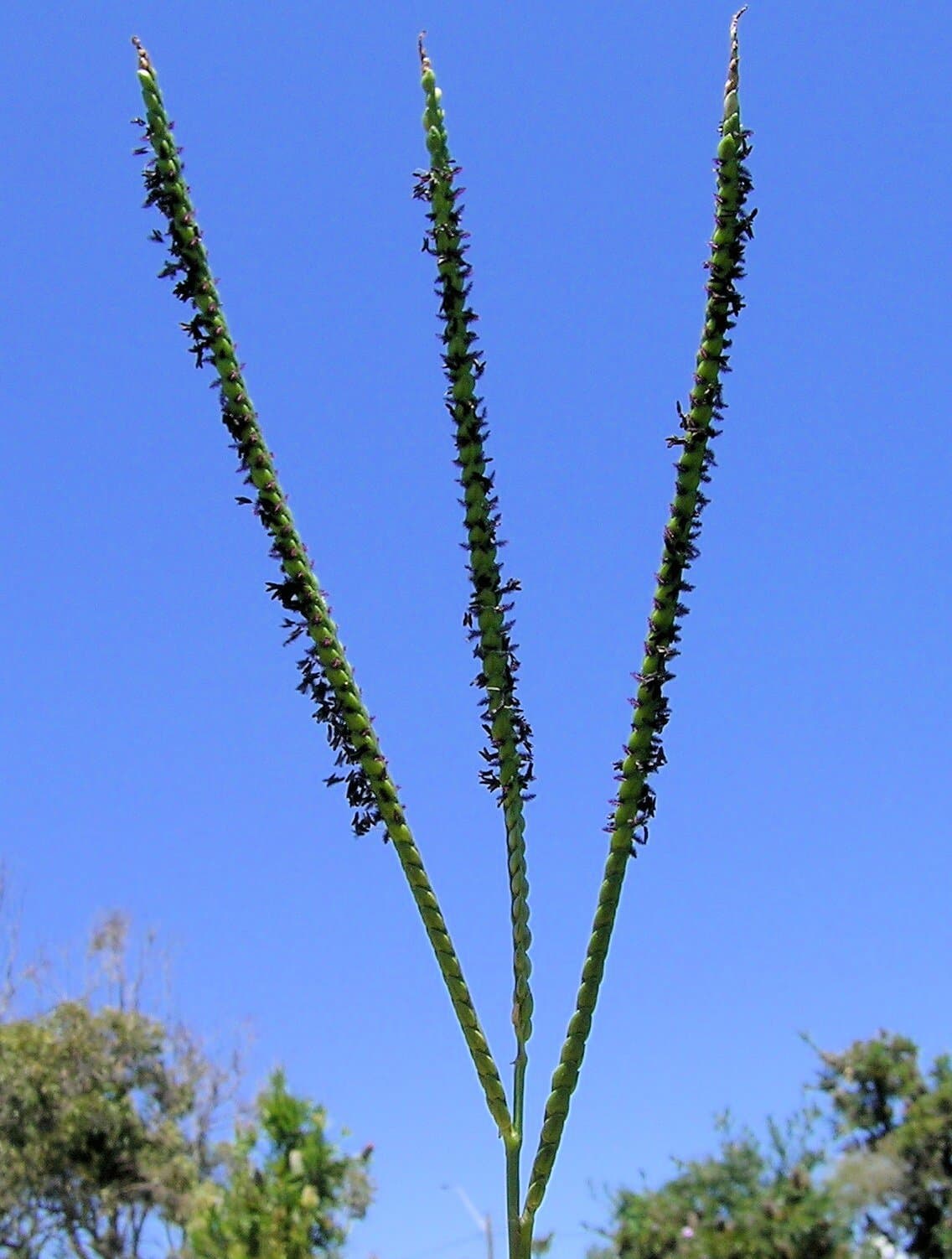
Bahia Grass
Warm-seasonCoarse texture, deep root system. Extremely drought tolerant. Low input grass ideal for large areas and sandy soils.
How to identify: Coarse, tough blades with a noticeable midrib. Produces tall Y-shaped seed heads in summer. Open, sparse growth habit.
Read the full guide →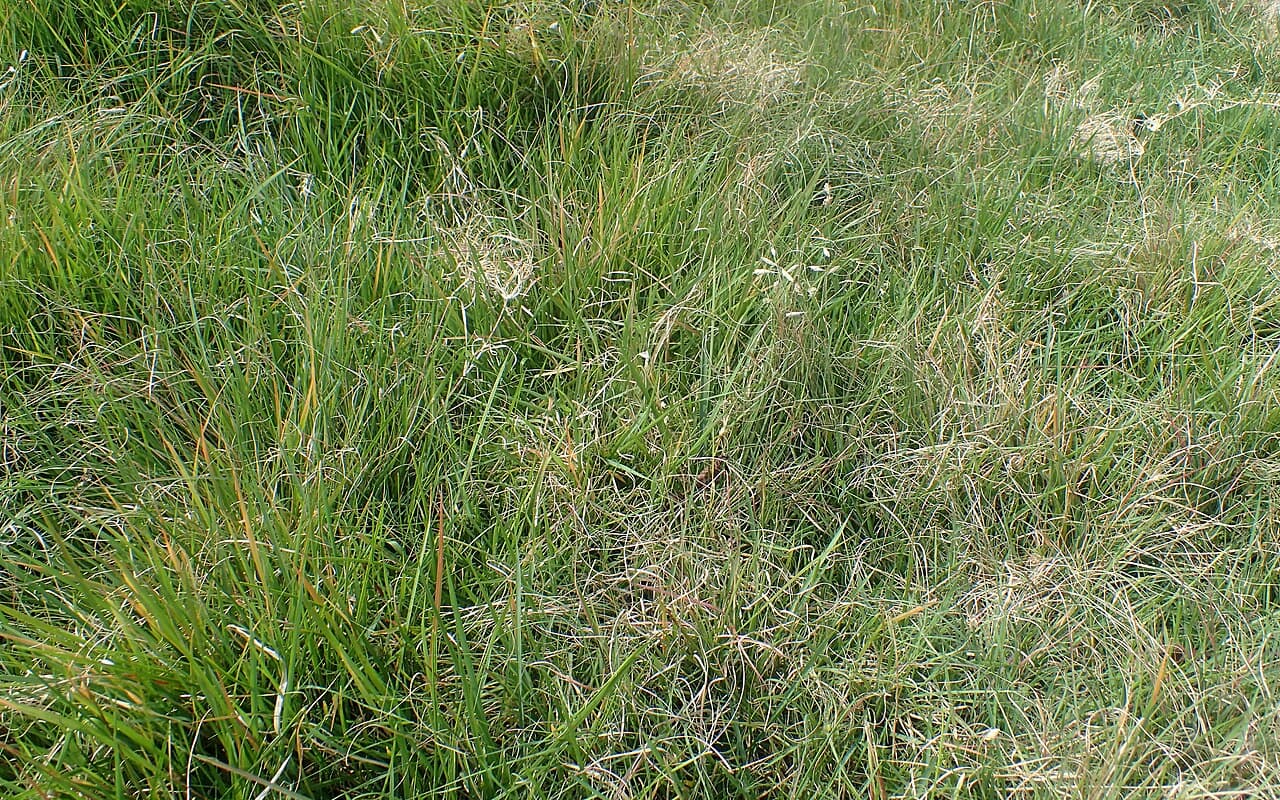
Buffalo Grass
Native/Warm-seasonFine-textured native grass. Needs minimal water and fertilizer. Goes dormant in drought but recovers quickly.
How to identify: Fine, curling blades with a grey-green color. Grows low and sparse compared to turf grasses. Soft texture underfoot.
Read the full guide →Southern Hemisphere lawns (Australia & New Zealand)
The same 3-step check works south of the equator — only the names and the calendar change. Most Australian lawns are one of three warm-season grasses; New Zealand and cooler areas like Tasmania mostly grow Ryegrass and Fescue, covered above. Remember the seasons flip: spring is September–November, so time your lawn care with the Southern Hemisphere lawn calendar.
Buffalo (Sir Walter)
Warm-seasonThe most popular Australian lawn. Broad, soft blades, excellent shade tolerance, sold as slabs of turf (Sir Walter DNA Certified is the best-known cultivar). Same species as US St. Augustine.
How to identify: Very wide, flat blades with rounded tips. Spreads by thick above-ground runners (stolons) only — no underground runners.
Read the full guide →Couch
Warm-seasonFine, dense and hard-wearing — the same species Americans call Bermuda Grass. Loves full sun, browns off in winter in cooler areas. Wintergreen and Santa Ana are common cultivars.
How to identify: Fine grey-green blades with pointed tips. Spreads aggressively by both surface runners and underground rhizomes.
Read the full guide →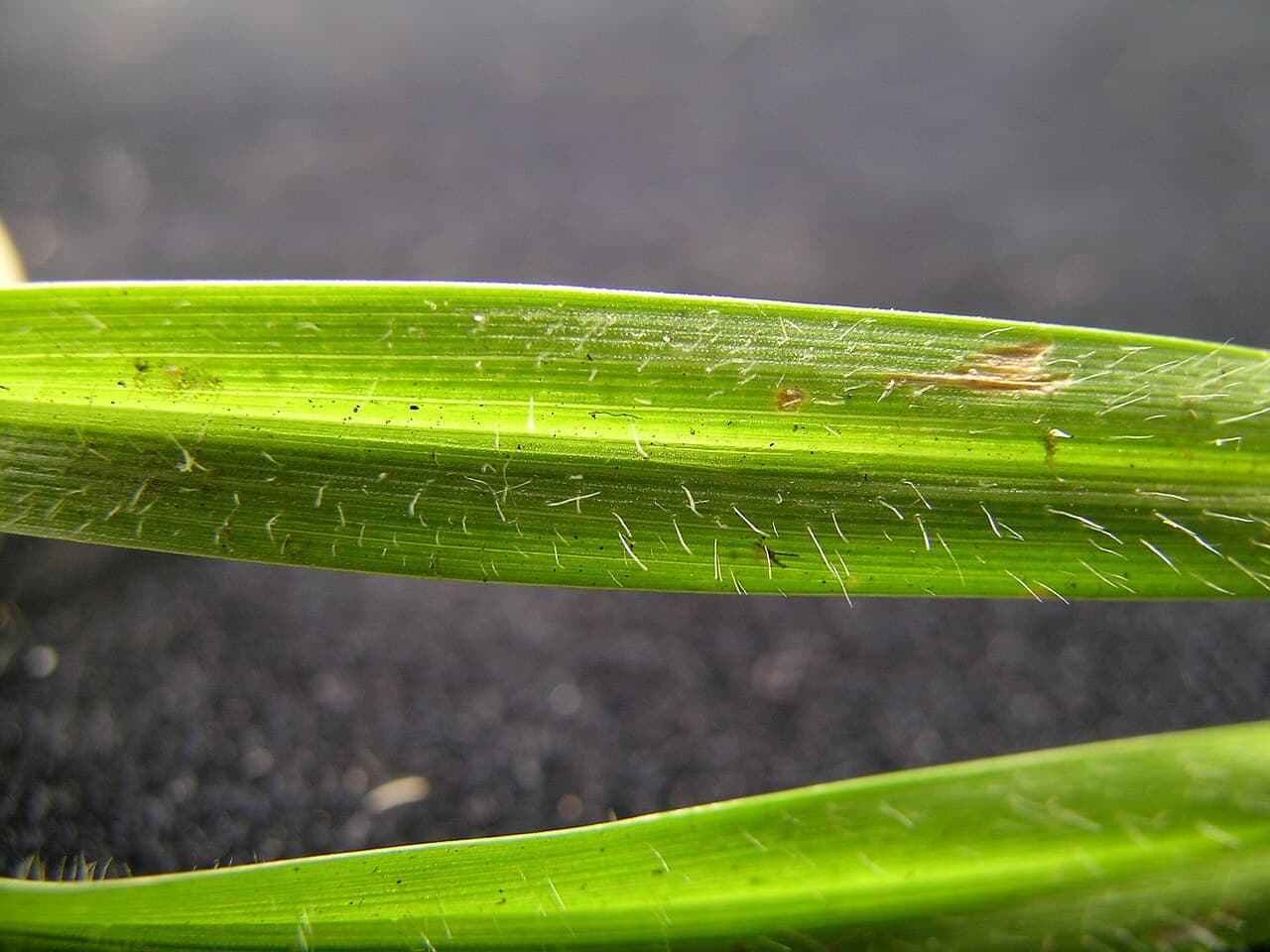
Kikuyu
Warm-seasonVivid light-green and extremely fast-growing — the cheap, tough family-lawn choice. Handles heavy wear and recovers quickly, but invades garden beds if not edged.
How to identify: Bright apple-green color and thick, fleshy runners above and below ground. Grows visibly faster than anything else in the street.
Read the full guide →Frequently asked questions
The next step →
Get your free 12-month AI lawn care plan
Enter your address — AI detects your grass type automatically, then builds a personalized 12-month schedule for fertilizer, weed control, mowing, and watering. No sign-up, no charge.
Build my lawn plan — it's free →Or try our other free lawn tools:
AI Grass Identifier•Weed Identifier•Lawn Care Calendar•Free AI Lawn Care Plan•Spring Checklist