Fall Overseeding: When and How to Overseed Your Lawn This Fall
Fall is the single best time of year to overseed a cool-season lawn. The soil is still warm enough for fast germination, the air is cooling, and weed competition is at its lowest point of the year. Here's exactly when to seed for your region, how much seed to buy, and the five steps that make it work.
Key Takeaways
- Overseed cool-season lawns late August to early October — at least 45 days before your first frost
- Fall wins because soil is warm, air is cool, and weed pressure is the lowest of the year
- Seed must touch bare soil — mow low and rake first, or most of it won't germinate
- Buy seed by the numbers: planning rates run 1.5–4 lbs per 1,000 sq ft depending on grass type
- Never overseed within 8–12 weeks of a pre-emergent application
What Is Fall Overseeding?
Overseeding is spreading grass seed over an existing lawn — no tearing anything up — to thicken thin turf, fill bare patches left by summer heat, and crowd out weeds before they can move in. Done every fall, it's the cheapest and most effective way to keep a cool-season lawn dense year after year.
It matters most for cool-season grasses — tall fescue, Kentucky bluegrass, perennial ryegrass, and fine fescue. Tall fescue in particular is a bunch grass: it doesn't spread to repair itself, so any spot that thins out stays thin until you reseed it. If you're not sure what you have, our grass type identifier can tell you in a minute.
Why Fall Beats Spring for Overseeding
Warm soil, cool air
Late-summer soil holds heat from months of sun, so seed germinates fast — while cooling air temperatures mean seedlings aren't scorched the way spring seedlings are when summer arrives. Check your current soil temperature: the cool-season germination sweet spot is 50–65°F.
The least weed pressure of the year
Crabgrass and the other summer annuals are dying off, and spring weeds haven't germinated yet. Seed in spring and your seedlings fight crabgrass for every inch; seed in fall and they get the ground to themselves.
Two growing seasons before the first summer
Fall-seeded grass grows roots all autumn, sleeps through winter, then grows again all spring — so it faces its first brutal summer as established turf, not a seedling. Spring-seeded grass gets a few weeks.
Why fall wins: warm soil meets cooling air
When to Overseed in Fall, by Region
The window runs late August to early October for cool-season lawns, sliding later the further south you are. The rule of thumb: seed at least 45 days before your first expected frost, so roots establish before the ground cools.
The fall seeding window, by region
| Region | Seeding Window | Soil Temp | Notes |
|---|---|---|---|
| North (cool-season) | Mid-Aug – mid-Sep | 50–65°F and falling | Earliest first frost — seed early so roots establish before winter |
| Transition zone | Sep – early Oct | 55–70°F and falling | The sweet spot for tall fescue — the region's workhorse grass |
| South (warm-season) | Oct – Nov (optional) | 70°F and falling | Winter overseed with ryegrass for green color only — not renovation |
Earlier beats later
Within your window, seed on the early side. Seed put down in late August has weeks of warm soil to work with; seed put down in mid-October is racing the frost. If you miss the window entirely, wait for spring rather than gambling on a late seeding.
How to Overseed in 5 Steps
Mow low and bag the clippings
1.5–2 inches
Cut to 1.5–2 inches — noticeably shorter than a normal mow — and bag the clippings instead of mulching them. Short grass lets seed fall through to the soil and lets sunlight reach the seedlings once they sprout.
Rake to expose bare soil
the step people skip
Rake vigorously with a metal rake — or run a dethatcher on bigger lawns — to pull up dead grass and thatch. This is the step most people skip, and it's why their seed fails: grass seed only germinates in contact with soil. Seed resting on a mat of thatch dries out and dies. Core aerating first is even better on compacted ground.
The step most people skip — and why their seed fails
Spread seed at the overseeding rate
two passes, half rate
Load a broadcast spreader and apply at your grass type's overseeding rate (table below). For the most even coverage, split the seed in half and make two passes at right angles to each other.
Apply starter fertilizer
same day as seeding
Put down a starter fertilizer the same day. Starter blends are higher in phosphorus, which drives the root development seedlings need to survive winter. Do not use a weed-and-feed — the herbicide in it will stop your seed cold. Six to eight weeks later comes the fall feeding proper, at about 1 lb of nitrogen per 1,000 sq ft — the fertilizer calculator turns that into pounds of your bag and a spreader setting.
Water lightly, every day
2–3 weeks of moisture
Keep the top half-inch of soil consistently moist — one or two light waterings a day for the first 2–3 weeks. A single dry afternoon can kill seed mid-germination. Once the new grass reaches mowing height (~3 inches), shift to deeper, less frequent watering like the rest of the lawn. If leaf drop starts before the seedlings fill in, keep it off them — a wet mat of leaves smothers new grass in days, and a leaf blower on a low setting lifts leaves clear without the hard raking that pulls young roots out with them.
How Much Seed You Need
Overseeding rates are listed per 1,000 sq ft, so the math is simple once you know your lawn's size: divide your square footage by 1,000 and multiply by the rate.
Tall Fescue
4 lbs
per 1,000 sq ft
sprouts in 7–14 days
Kentucky Bluegrass
1.5 lbs
per 1,000 sq ft
sprouts in 14–28 days
Perennial Ryegrass
3 lbs
per 1,000 sq ft
sprouts in 5–10 days
Fine Fescue
2.5 lbs
per 1,000 sq ft
sprouts in 10–14 days
Example: a 6,000 sq ft tall-fescue lawn at 4 lbs per 1,000 sq ft needs about 24 lbs of seed. Our overseeding calculator estimates the amount for your lawn, lists the rate sources and shows matching seed products. Use the package’s overseeding coverage to choose your bag count.
Plan how much seed to buy — measure your lawn free
Guessing your lawn size means buying the wrong amount of seed. Trace your lawn on satellite imagery, get the exact square footage, and the seed math is done for you.
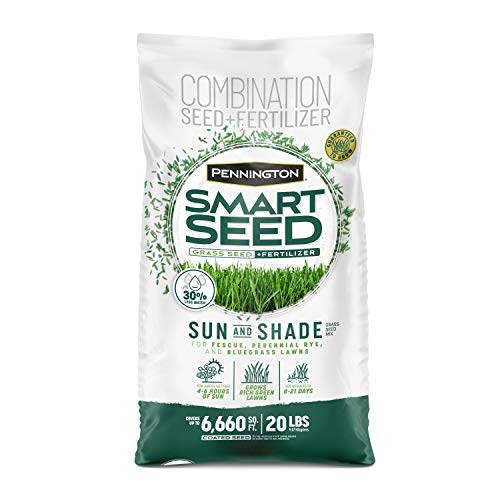
Measure My Lawn — FreeSeed for fall overseeding
Cool-season seed and blends suited to the fall window. Order early — the good blends sell out by September.


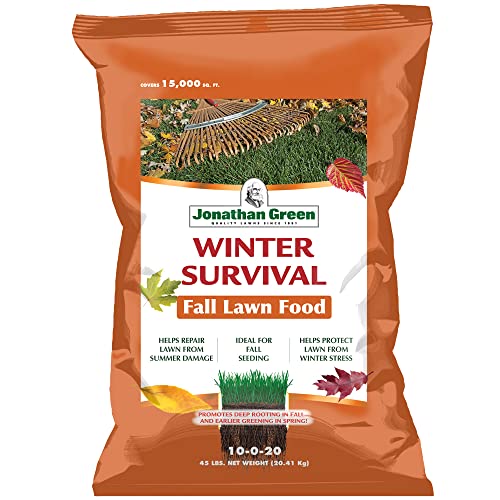
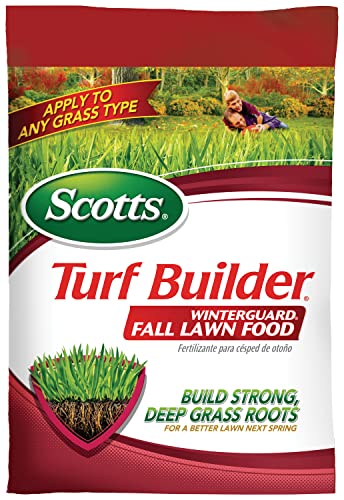
Fall fertilizer for seeding time
Put a feeding down at seeding, then again 6–8 weeks later — fall feeding is the most important of the year for cool-season lawns.

4 Mistakes That Waste the Whole Bag
01 Seeding on top of thatch
Seed that never touches soil never germinates. If you skip the mow-low-and-rake prep, expect most of the bag to feed the birds instead of your lawn.
02 Overseeding after pre-emergent
Pre-emergent herbicide blocks all germination — weeds and grass seed alike — for 8–12 weeks. If you applied one recently, check the label's reseeding interval before wasting seed. In an overseeding year, skip fall pre-emergent entirely.
03 Letting the seedbed dry out
Germinating seed that dries out dies — there's no pause button. Two light waterings a day for the first few weeks is the commitment; if you can't water, a hose timer is a cheap fix.
04 Guessing the lawn size
Under-seed and the lawn stays thin; over-seed and seedlings choke each other out competing for light and water. Both failures come from not knowing the square footage. Measure it once and every rate on every bag becomes exact.
Frequently Asked Questions
When should I overseed my lawn in fall?
Late August to early October for cool-season lawns — mid-August to mid-September in the North, September to early October in the transition zone. Seed at least 45 days before your first expected frost, while soil temperatures are still in the 50–65°F germination range.
How late in the fall can you overseed a lawn?
About 45 days before your first expected frost — roughly mid-September in the North and early-to-mid October in the transition zone (Tennessee, Kentucky, Virginia). Seed sown later often sprouts but can’t root deeply enough to survive the winter. Missed it? You have two options: wait for spring (March–April, and skip pre-emergent that season), or dormant-seed — spread seed once the soil stays below about 40°F, usually late November through February, so it sits unsprouted until spring warms it.
Why is fall better than spring for overseeding?
Warm soil for fast germination, cooling air that doesn't stress seedlings, and the lowest weed pressure of the year — summer annuals are dying and spring weeds haven't sprouted. Fall-seeded grass also gets two full growing seasons before facing its first summer.
Can I just throw grass seed down on my existing lawn?
You can, but most of it won't germinate. Seed needs direct soil contact — seed sitting on grass blades or thatch dries out and dies. Ten minutes of mowing low and raking is the difference between a thick result and a wasted bag.
Should I fertilize when I overseed?
Yes — starter fertilizer the same day you seed. Its higher phosphorus content drives seedling root growth. Never use weed-and-feed at seeding time; the herbicide stops germination.
Can I overseed after applying pre-emergent?
No. Pre-emergent blocks all seed germination for 8–12 weeks after application. Check your product label for the reseeding interval, and skip fall pre-emergent in overseeding years.
Do I need to aerate before overseeding?
Optional but strongly recommended, especially on compacted or clay soil. Core aeration creates thousands of perfect seed-to-soil pockets — aerating and overseeding on the same day is the classic fall renovation combo. The full lawn aeration guide covers timing, equipment, and what it costs.
When can I mow after overseeding?
Once the new grass reaches about 3 inches — typically 3–4 weeks after seeding. Use sharp blades, remove no more than a third of the height, and avoid tight turns that tear shallow-rooted seedlings.
Start with the number every bag asks for
Measure your lawn free on satellite imagery, then get a 12-month plan that times your overseed, feeding, and watering to your grass type and region.
Measure My Lawn — It's Free