The Complete Guide to Overseeding Your Lawn (Timing, Rates, and Step-by-Step Instructions)
Overseeding is one of the most effective ways to thicken bare patches, improve lawn density, and strengthen disease resistance. This guide walks you through exactly when to overseed your specific grass type, how much seed to use, and the step-by-step process to achieve the best results.
What Is Overseeding and Why Does It Matter?
Overseeding is the process of spreading grass seed directly over an existing lawn without removing the turf. Unlike total lawn renovation, overseeding works with what you already have, filling in thin areas, damaged patches, and bare spots.
Over time, lawns naturally thin out. Foot traffic, compacted soil, disease, insect damage, and seasonal stress all take their toll. Overseeding counters this decline by introducing fresh seed into established turf, where it can germinate and fill gaps.
A denser lawn offers multiple benefits:
- Better weed resistance. Thick grass crowds out opportunistic weeds before they take root.
- Improved disease tolerance. A healthy, dense lawn recovers faster from disease pressure.
- Enhanced traffic resilience. More blades of grass means better wear tolerance in high-traffic areas.
- Thicker appearance. A fuller lawn simply looks better and feels more substantial underfoot.
- Pest defense. Dense turf makes it harder for grubs and other pests to establish.
The catch: overseeding only works if seed makes direct contact with soil. Dead thatch, dense matting, and poor soil-seed contact all reduce germination rates dramatically. That's why preparation is critical.
Grass seed for this job
Pair with a starter fertilizer and the right seeding rate — measure your lawn for the exact amount.
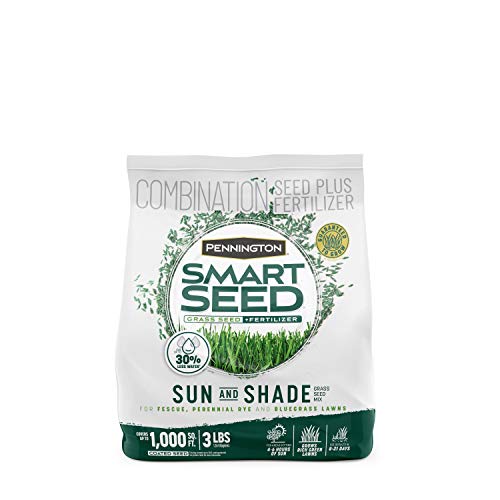
Pennington Smart Seed Sun & Shade
Beginner friendly
Pennington Annual Ryegrass (Bulk)
Beginner friendly
Barenbrug Pensacola Bahiagrass Seed
Beginner friendlyPensacola bahiagrass from Barenbrug, the standard seeded bahia for Southern lawns.
As an Amazon Associate, Measure Lawn earns from qualifying purchases.
When Should You Overseed Your Lawn?
Timing is everything with overseeding. You need soil temperatures, moisture levels, and air temperatures all aligned for successful germination. The window varies significantly by grass type and region.
When to Overseed Cool-Season Grasses
Cool-season grasses thrive in northern climates and include Kentucky Bluegrass, Perennial Ryegrass, Tall Fescue, and Fine Fescue. These grasses prefer cooler soil temperatures and actually struggle during peak summer heat.
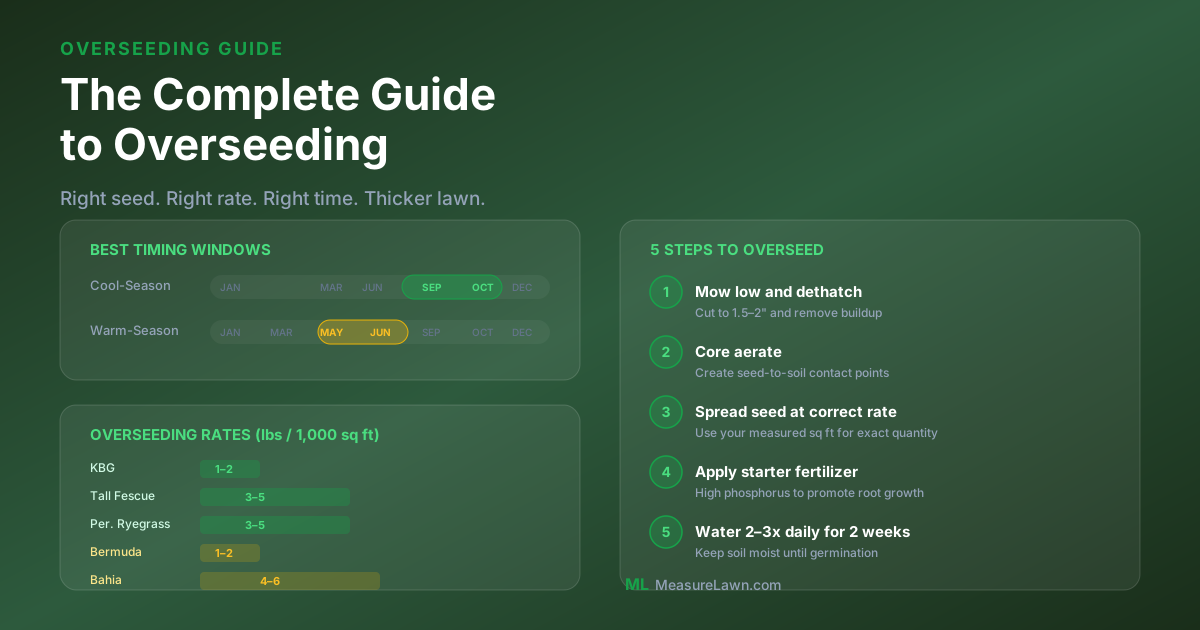
Best overseeding window: September 1 – October 15
This timing capitalizes on several advantages. Soil is still warm from summer (supporting fast germination), but air temperatures are cooling (reducing weed competition). Fall moisture from rain and dew supports seedling establishment. Spring overseeding is also possible (April–May), but fall is generally superior because spring competes with active weed germination.
Why fall wins for cool-season lawns: Weeds are dormant, soil moisture is more reliable, and seedlings have the entire cool season to establish before summer stress arrives. For the full fall walkthrough — timing, aeration, seed rates, and watering — see our fall overseeding guide.
When to Overseed Warm-Season Grasses
Warm-season grasses thrive in southern climates and include Bermuda, Zoysia, Bahia, and St. Augustine. These grasses prefer warmth and actively grow when temperatures climb.
Best overseeding windows:
- Bermuda: May 1 – June 30 (warm soil, long growing season ahead)
- Zoysia: May 1 – June 30 (similarly warm and frost-free)
- Bahia: April 1 – July 31 (longer window due to extended warm season)
Overseed warm-season grasses in late spring or early summer when soil temps exceed 65°F consistently and frost risk is gone. This gives new seedlings a full growing season to mature before winter dormancy.
What About Mid-Transition Regions?
If you live in the transition zone (parts of Tennessee, Kentucky, Missouri, Virginia, North Carolina, etc.), you likely have mixed cool- and warm-season grass or a specific recommendation from your local extension office. Spring (April–May) is generally safer than fall because spring moisture is more reliable. Follow your regional extension service guidance, or use a free lawn analysis tool to identify your grass type.
How Much Seed Should You Use?
One of the biggest overseeding mistakes is guessing at seed rates. Too little seed and you won't see real results. Too much seed wastes money and creates fungal issues from overcrowding.
MeasureLawn recommends these overseeding rates by grass type:
| Grass Type | Overseeding Rate | Germination Timeline |
|---|---|---|
| Kentucky Bluegrass | 1–2 lbs/1,000 sq ft | 14–28 days |
| Perennial Ryegrass | 3–5 lbs/1,000 sq ft | 5–10 days |
| Tall Fescue | 3–5 lbs/1,000 sq ft | 7–14 days |
| Fine Fescue | 2–3 lbs/1,000 sq ft | 10–14 days |
| Bermuda (hulled) | 1–2 lbs/1,000 sq ft | 5–14 days |
| Zoysia | 0.5–1 lbs/1,000 sq ft | 14–21 days |
| Bahia | 4–6 lbs/1,000 sq ft | 14–28 days |
These rates assume you're overseeding a thin but established lawn—not starting from bare ground. If you have larger bare patches (25%+ of the lawn), use the higher end of the range.
How to calculate your seed needs: Measure your lawn area in square feet, divide by 1,000, then multiply by the recommended rate. For example, a 5,000 sq ft lawn needing Perennial Ryegrass would need: (5,000 ÷ 1,000) × 4 lbs = 20 lbs of seed.
MeasureLawn builds custom lawn care plans that calculate your exact seed quantity based on your measured lawn area, eliminating guesswork.
Should You Aerate Before Overseeding?
This question comes up constantly, and the answer is: it depends.
Aeration (punching holes in the lawn to relieve soil compaction) creates excellent seed-to-soil contact—often improving germination rates by 20–30%. If your lawn has visible compaction, heavy clay soil, or thin patches despite regular care, aeration before overseeding is absolutely worthwhile.
However, aeration isn't mandatory. If your soil is relatively loose and you can achieve good seed-to-soil contact through aggressive raking or vertical mowing, you can skip aeration and still succeed.
When aeration is strongly recommended:
- Compacted, hard soil that resists water penetration
- Clay-heavy soils with poor drainage
- Lawns over 5+ years old without recent aeration
- Severe thin or bare patches
When you can skip aeration:
- Naturally loose, well-draining soil
- Moderate thin patches (not widespread)
- Recent aeration in the past 2 years
If you do aerate, do it 1–2 days before overseeding so holes stay open and seed falls directly into them.
How Should You Prepare Your Lawn for Overseeding?
Preparation determines success more than any other factor. Seed needs direct soil contact to germinate. Without proper prep, seed sits on top of thatch and dead grass, rarely germinating.
Step 1: Remove Thatch and Debris
Thatch is a layer of dead grass, roots, and organic matter that accumulates above the soil surface. Thin thatch (under 1/2 inch) is normal. Thick thatch (over 1 inch) blocks seed from reaching soil.
Use a vertical mower (also called a dethatcher) to slash through the lawn 2–3 times in different directions. This removes dead material and opens the soil surface. A rough, scratched-up lawn isn't pretty, but it's exactly what you want pre-overseeding.
Alternatively, rent a power rake from a home improvement store. Both tools achieve the same goal: exposing bare soil and removing barriers to seed germination.
Step 2: Rake and Rough Up the Soil Surface
After vertical mowing, rake the entire lawn aggressively. Rake out debris, rough up compacted areas, and try to expose as much bare soil as possible. You should see some soil peeking through—aim for 30–40% visible soil exposure in thin areas, 50%+ in bare spots.
This step takes elbow grease, but it's non-negotiable for good germination rates.
Step 3: Address Major Bare Spots
For patches larger than a few square feet, consider spot-seeding with a slightly higher rate (8–10 lbs/1,000 sq ft in that patch) to ensure coverage.
Step 4: Check Soil Conditions
Verify soil pH and nutrient levels if possible. Cool-season grass prefers pH 6.0–7.0; warm-season grass 6.0–6.5. Lime or sulfur can adjust pH if needed, but these take weeks to work. For faster results, focus on phosphorus (which promotes root development) via a starter fertilizer after seeding.
Step 5: Water the Lawn Lightly
Water the lawn lightly the day before overseeding to soften soil without saturating it. Moist soil accepts seed better than dry, hard soil, but waterlogged soil invites fungal disease.
What's the Step-by-Step Process for Overseeding?
Once your lawn is prepped, the seeding process itself is straightforward.
Step 1: Choose the Right Seed Blend
Always use a seed blend suited to your region, shade level, and traffic. Avoid generic "grass seed mixes"—they often contain low-quality seed and off-type varieties.
For best results, use a blend matching your existing grass type exactly. If you have Perennial Ryegrass, overseed with Perennial Ryegrass. If you have Tall Fescue, stay with Tall Fescue.
Note on timing conflict: If you've applied pre-emergent herbicide (which prevents all seed germination), you cannot overseed simultaneously. Pre-emergent and overseeding are mutually exclusive. Plan overseeding for spring or fall windows when you're not using pre-emergent.
Step 2: Apply Seed
Use a broadcast spreader or drop spreader to apply seed evenly across the lawn. Broadcast spreaders cover wider areas faster but require careful calibration to avoid overlapping or missing patches. Drop spreaders are slower but more precise.
Pro tip: Split your seed rate in half and apply perpendicular passes (one north-south, one east-west). This prevents overlapping and ensures even coverage.
Walk at a steady, unhurried pace. Rushing creates uneven coverage; dawdling wastes seed.
Step 3: Rake Seed Into Soil Contact
This is critical. After spreading seed, rake lightly to press seed into the soil. You want seed nestled against soil particles, not sitting on the surface.
Don't over-rake (you'll bury seed too deep), but don't under-rake either (seed needs contact). Aim for seed to be 1/4 to 1/2 inch deep.
Step 4: Apply Starter Fertilizer (Optional but Recommended)
Starter fertilizer (high in phosphorus, like 5-10-10 or 10-20-10) supports root development in germinating seedlings. Apply per label directions. This step isn't mandatory, but it noticeably improves germination rates and seedling vigor.
Step 5: Water Immediately
Water thoroughly and gently immediately after seeding. You want the top 1 inch of soil moist but not waterlogged. Use light, frequent watering for the first 2 weeks—mimic morning dew or light rain.
How Should You Water After Overseeding?
Watering is where many people lose new seedlings. Under-watering kills germinating seed; over-watering invites fungal disease.
Watering Schedule for Germination (Days 0–14)
Week 1: Water lightly 2–3 times daily if possible, keeping the top 1 inch consistently moist. Early morning and late evening are best to reduce evaporation and disease risk.
Week 2: Continue light watering once daily if no rain. Begin scaling back slightly as seedlings emerge.
Week 3 onward: Water deeply but less frequently (every 2–3 days), gradually transitioning to your regular lawn watering routine by week 4.
The exact schedule depends on weather. Hot, dry weather demands more frequent watering. Cool, rainy weather requires less. Monitor the soil—if the top 1/2 inch is dry, water. If it's moist, hold off.
Common Watering Mistakes
- Under-watering: Seed dries out before germinating. Germination clocks reset, and you waste seed.
- Over-watering: Constantly soggy soil invites leaf spot, rust, and other fungal diseases. Seedlings struggle.
- Watering at midday: Direct sun and hot soil temperature promote evaporation and heat stress.
Aim for consistent, light moisture—like the conditions after a gentle rain.
What Are the Most Common Overseeding Mistakes?
Mistake 1: Poor Seed-to-Soil Contact
The problem: Seed lands on thatch or dead grass, never touching soil. Germination rates plummet.
The fix: Aggressive vertical mowing and raking before seeding. Don't skip prep.
Mistake 2: Using the Wrong Seed Rate
The problem: Too little seed, and thin patches persist. Too much seed, and fungal issues spike from overcrowding.
The fix: Use the rates in the table above. Calculate based on your lawn area.
Mistake 3: Overseeding When Soil Is Too Cold or Too Hot
The problem: Seed won't germinate if soil temp is below 50°F or above 85°F (for cool-season grass). Time overseeding for the recommended windows.
The fix: Check soil temps before overseeding. Soil thermometers are inexpensive. Stick to September–October for cool-season grass, May–June for warm-season grass.
Mistake 4: Overseeding and Using Pre-Emergent Simultaneously
The problem: Pre-emergent herbicide prevents all seed from germinating—including your new grass seed.
The fix: Choose either pre-emergent or overseeding. Don't do both at the same time. Plan overseeding 6–8 weeks apart from pre-emergent applications.
Mistake 5: Neglecting Watering
The problem: New seedlings die from drought or fungal disease from over-watering. Either way, you wasted seed and time.
The fix: Commit to light, frequent watering for 2–3 weeks post-seeding. Set phone reminders if needed.
Mistake 6: Expecting Instant Results
The problem: Germination takes 5–28 days depending on grass type. Impatient homeowners think seeding failed when seedlings just haven't emerged yet.
The fix: Patience. Reference the germination timeline for your grass type and trust the process.
What Should You Expect After Overseeding?
Week 1: Seed Germinates
You won't see visible growth yet, but germination is underway (assuming temperatures and moisture are right). Keep soil moist.
Week 2–3: Seedlings Emerge
Tiny grass shoots appear—they look delicate but are tougher than they seem. Continue light, frequent watering.
Week 4–6: Seedlings Establish
New grass grows root systems and toughens. Gradually transition to deeper, less frequent watering.
Week 8–12: New Grass Blends In
New seedlings fill gaps and blend with existing turf. By week 12, results should be noticeably thicker grass.
By the time your lawn heads into dormancy or its slower season, new seedlings are established and improving lawn density year-round.
Is Overseeding Worth the Effort?
Overseeding isn't complicated, but it does require attention to timing, preparation, and watering. Get those three elements right, and you're nearly guaranteed success.
A thicker, denser lawn resists weeds, disease, and traffic stress far better than thin turf. If your lawn shows any thinning or bare patches, overseeding should be in your lawn care plan.
Start with a free lawn analysis to determine your grass type, measure your lawn area, and get exact overseeding rates customized to your property.
Ready to measure your lawn?
Get a free, AI-customized lawn care plan with exact product quantities for your property.
Measure My Lawn — It's Free →