When to Apply Pre-Emergent in 2026 (Stop Crabgrass — State-by-State Timing)
Apply one week too late and pre-emergent does nothing. Get the exact 2026 application window for your state, the soil-temperature rule that beats calendar dates, and a free live soil-temp gauge.
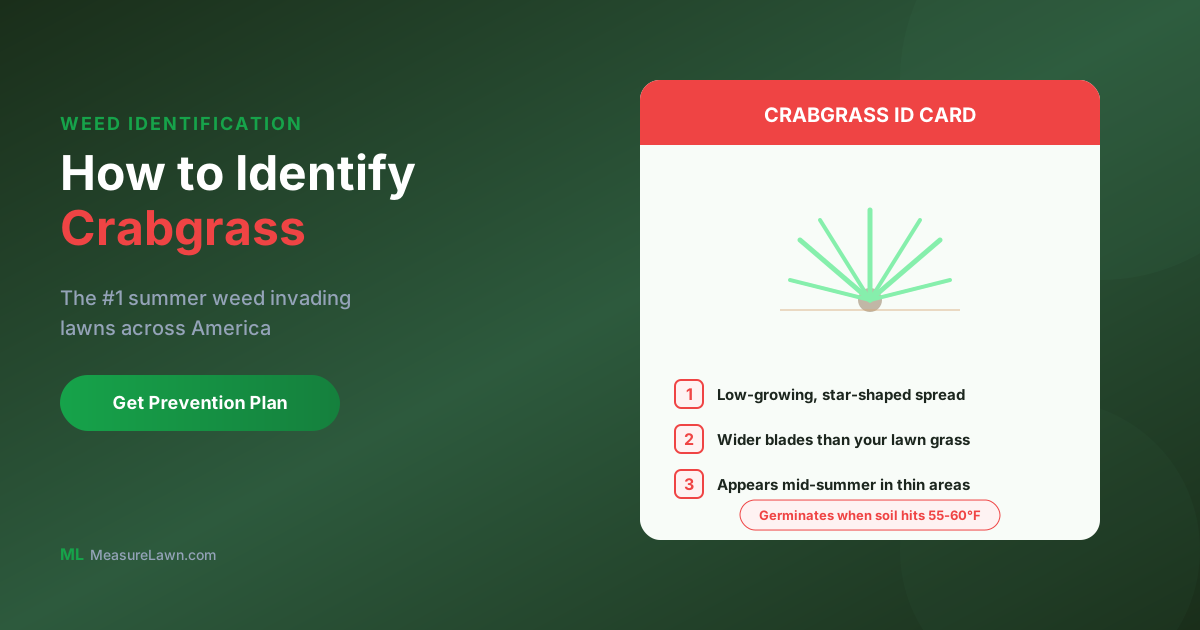
Crabgrass is the most common lawn weed complaint in America, and it's also the most preventable. A single application of pre-emergent herbicide in early spring stops crabgrass from ever appearing. The catch: you have a window of about 2–3 weeks to get it down, and once that window closes, no amount of pre-emergent will help.
The frustrating part is that the window is different in every state, every city, sometimes every neighborhood. A homeowner in Atlanta needs to apply weeks before a homeowner in Chicago. Someone on a south-facing slope needs to apply before their neighbor on the shady north side of the same street.
The only reliable trigger is soil temperature.
What Soil Temperature Triggers Pre-Emergent Application for Crabgrass Prevention?
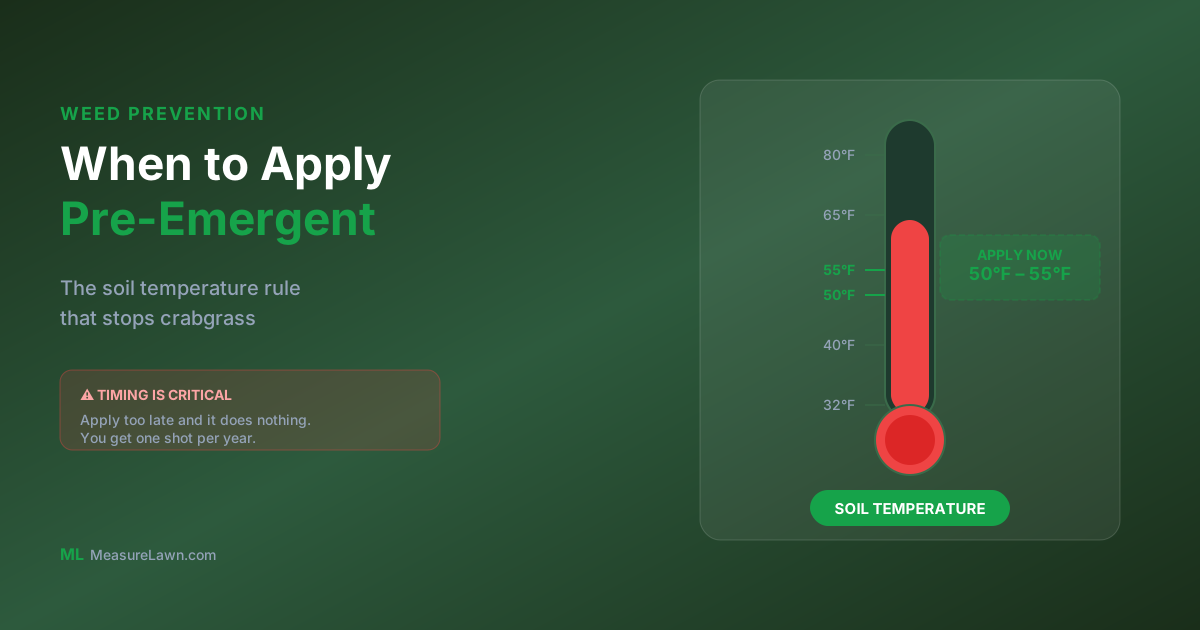
Crabgrass seeds germinate when soil temperatures hit 55°F and hold there consistently. Your pre-emergent needs to be in the soil before that happens — ideally when soil is in the 50–55°F range and trending upward.
The product works by creating a chemical barrier in the top layer of soil. Seeds that try to germinate run into that barrier and die before they can establish. But the barrier has to be in place before germination starts. If crabgrass has already sprouted, pre-emergent can't touch it — you'd need a post-emergent at that point, which is harder, less effective, and more expensive.
Measure soil temperature with a simple soil thermometer ($8–$12 at any garden center). Push it 2 inches into the soil in a sunny part of your lawn, read it mid-morning for three days in a row, and act when you see 50–55°F consistently.
For accuracy, take readings from multiple spots — one in full sun, one in partial shade, and one in heavy shade if you have all three. Shaded areas warm more slowly, and if your crabgrass pressure is heaviest in shadier zones, you may need to time pre-emergent application to the cooler zone's temperature rather than the sunniest part of your yard. Some lawn care professionals apply pre-emergent in two waves: first application when sunny areas hit 55°F, then a light second application two weeks later to catch germination in shade areas that warm up later. This approach costs slightly more but can prevent crabgrass escape in trickier yards.
Best pre-emergent products
Timing is everything — check the windows above before you apply.

Scotts Halts Crabgrass & Grassy Weed Preventer
Beginner friendly
The Andersons Barricade Professional-Grade Granular
Beginner friendly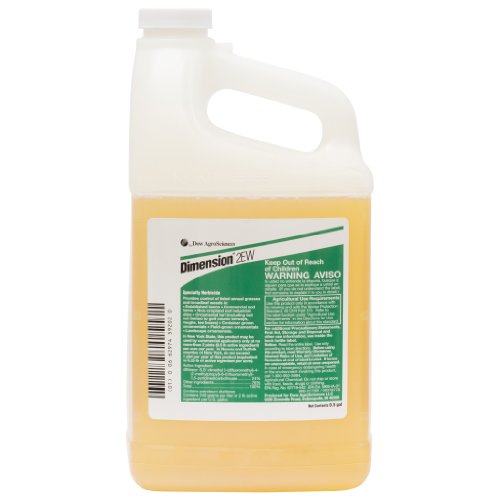
Dimension 2EW (Dithiopyr)
Liquid concentrate; 64 oz half gallon; mix with water and spray
As an Amazon Associate, Measure Lawn earns from qualifying purchases.
When Should You Apply Pre-Emergent in Your Region?
While soil temperature is the definitive trigger, here's roughly when that 55°F threshold occurs across different parts of the country.
Deep South (zones 8–10): Late January through February. Warm-season lawns in Florida, the Gulf Coast, and southern Texas see soil temperatures rise earliest. If you wait until "spring," you've already missed it.
Southeast and Mid-South (zones 7–8): Late February through mid-March. Georgia, the Carolinas, Tennessee, and Arkansas typically hit the trigger in this window.
Transition zone (zones 6–7): Early to mid-March. Virginia, Kentucky, Missouri, Kansas, and Oklahoma see soil warm up as winter breaks. The transition zone is tricky because timing can vary by 2–3 weeks depending on your specific microclimate.
Northern states (zones 4–6): Mid-March through mid-April. Ohio, Pennsylvania, Illinois, Indiana, and the upper Midwest typically reach the threshold last. Don't rush it — applying too early means the product starts breaking down before crabgrass season even starts.
Far North (zones 2–4): Late April through early May. Minnesota, Wisconsin, the Dakotas, and northern New England have the latest window.
These are guidelines, not guarantees. A warm winter pushes everything earlier. A late cold snap pushes everything later. That's why the thermometer matters more than the calendar.
Historically, the earliest pre-emergent applications in Florida and South Texas occur in late January, sometimes before homeowners have even taken down their holiday decorations. Meanwhile, homeowners in Minnesota often wait until May to apply — a gap of nearly four months. Regional Facebook groups and local cooperative extension offices sometimes post cumulative soil temperature data for your specific area, letting you compare your current year's timing against historical patterns. This helps you decide whether to apply early (following the trend of mild years) or wait longer (if you're in a year tracking toward a late spring).
What's Inside Pre-Emergent Herbicide and How Does It Actually Prevent Weeds?
Pre-emergent herbicides contain active ingredients like pendimethalin (found in Scotts Halts) or dithiopyr (found in Dimension) that form a barrier in the soil surface. When a weed seed begins to germinate and push out a tiny root, that root contacts the chemical barrier and dies.
The barrier doesn't harm established plants because their root systems are already below the treated zone. That's why you can safely apply pre-emergent to your existing lawn — the mature grass is unaffected.
The barrier lasts about 3–4 months, which is why a single spring application protects through the peak crabgrass germination window (spring through early summer). Some homeowners apply a second round in late summer or fall to prevent cool-season weeds like chickweed and henbit from establishing over winter.
After application, water the product in lightly — about 0.5 inches of irrigation or rainfall within 48 hours. This activates the barrier by washing the granules into the soil surface where seeds germinate.
In rainy climates where natural rainfall often occurs within 48 hours of application, you may not need to irrigate. Conversely, in arid regions (Arizona, New Mexico, parts of Texas), you'll likely need to hand-water — pre-emergent that sits on the surface of dry soil won't activate. Some homeowners in dry climates time pre-emergent application right before predicted rain, or they apply via irrigation system. The water activation step is not optional; dry application of pre-emergent is essentially ineffective, and many homeowners unknowingly waste product by applying to dry soil without activating it.
Can You Apply Pre-Emergent and Overseed at the Same Time?
Pre-emergent herbicide stops seed germination. It doesn't distinguish between crabgrass seeds and grass seeds.
If you plan to overseed your lawn (spread new grass seed to fill thin or bare areas), do not apply pre-emergent in that area for at least 6–8 weeks before seeding. The chemical barrier will kill your grass seed just as effectively as it kills weed seeds.
This forces a trade-off every spring: pre-emergent protection OR overseeding, but not both in the same area at the same time. Most lawn care experts recommend applying pre-emergent to the majority of your lawn for weed prevention and saving overseeding projects for fall, when the pre-emergent has broken down and conditions are better for seed establishment anyway.
Some homeowners with large thin areas try to split the difference: they apply pre-emergent to 70% of the lawn in spring, then overseed the bare 30% in late summer or fall. This strategy works reasonably well if the bare areas don't already have significant crabgrass pressure — if those bare spots are prime real estate for weeds, skipping pre-emergent might lead to crabgrass invasion that's worse than the original problem. For cool-season grass owners in the transition zone, spring overseeding into summer-dormant areas followed by fall pre-emergent can also work, though timing is tight.
How Do You Calculate the Right Amount of Pre-Emergent for Your Lawn?
Like every lawn care product, pre-emergent is dosed by square footage. A bag of Scotts Halts that covers 5,000 square feet needs to be spread evenly across exactly 5,000 square feet of turf.
Spread it across 7,000 square feet and the barrier is too thin — crabgrass will punch through the weak spots. Concentrate it on 3,000 square feet and the remaining 4,000 square feet get zero protection.
Even coverage requires two things: the right amount of product for your lawn size, and a calibrated spreader that distributes it uniformly. The product does the work; you just need the right quantity.
A homeowner with 8,500 square feet of lawn using a product that covers 5,000 square feet per bag needs 2 bags. Not "about 2." Exactly 2, with the second bag providing extra coverage that prevents any gaps.
For spreader calibration, use the "bucket test" recommended by most extension offices: set your spreader to the labeled setting, pour a measured amount of product, and apply it to a measured area (like a 100 sq ft section). Weigh the remaining product and calculate how much was used. Compare actual coverage to your spreader's claimed rate — many spreaders apply 15-30% faster or slower than their default settings suggest. Adjust the spreader setting accordingly so that you apply product at the rate the label specifies. Improper spreader calibration is the #1 reason homeowners end up with patchy crabgrass control or fertilizer burn streaks.
What Should You Do If You Missed the Pre-Emergent Application Window?
It happens. Life gets busy, spring sneaks up on you, and suddenly it's late April and you can already see crabgrass tillers poking through.
At this point, pre-emergent won't help with what's already germinated. You have two options. First, apply a post-emergent crabgrass killer (products containing quinclorac are effective) to kill the young plants while they're still small. Post-emergent works best on crabgrass that's less than 2 inches tall — mature crabgrass is much harder to kill.
Second, commit to a pre-emergent application next year and mark your calendar 2 weeks earlier than when you saw crabgrass appear this year. Prevention is always easier and cheaper than treatment.
Some homeowners also apply a fall pre-emergent (typically in late August or early September) to prevent winter annual weeds like chickweed and henbit. This secondary application costs an extra $10-15 per bag but prevents winter dormancy-period weeds that emerge under cool-season grass in November and grow through winter. If you missed spring pre-emergent because of late crabgrass discovery, a committed fall application can often offset some of the damage and set you up for success the following year.
How Can You Ensure Perfect Pre-Emergent Timing and Dosing Year After Year?
MeasureLawn includes pre-emergent timing in your personalized lawn care plan, triggered by your region's typical soil temperature patterns. We show you the month to apply, the specific products that are safe for your grass type, and the exact number of bags you need based on your satellite-measured lawn size.
No guessing on timing. No guessing on quantity. No crabgrass.
Ready to measure your lawn?
Get a free, AI-customized lawn care plan with exact product quantities for your property.
Measure My Lawn — It's Free →