Also compare
Self-propelled
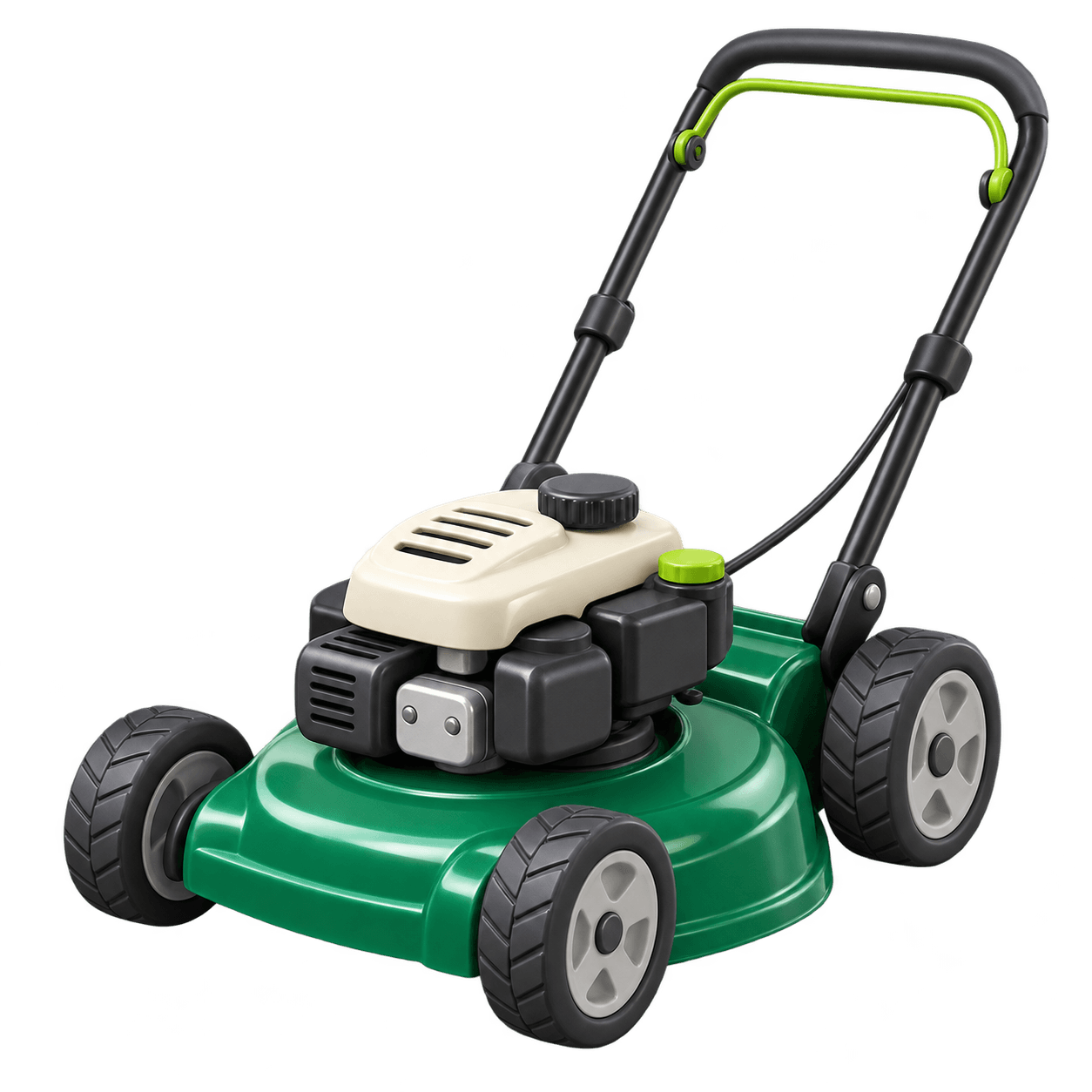
Powered wheels help with the walking effort. A wide-area model is worth comparing if you prefer walking to riding.
A zero-turn is a riding mower too. The useful choice is between a conventional lawn tractor, a zero-turn, and—on a suitable property—a robot that mows for you.
Find your mower typeSlide to your mowing area, then tell us about the terrain.
Powered wheels help with the walking effort. A wide-area model is worth comparing if you prefer walking to riding.
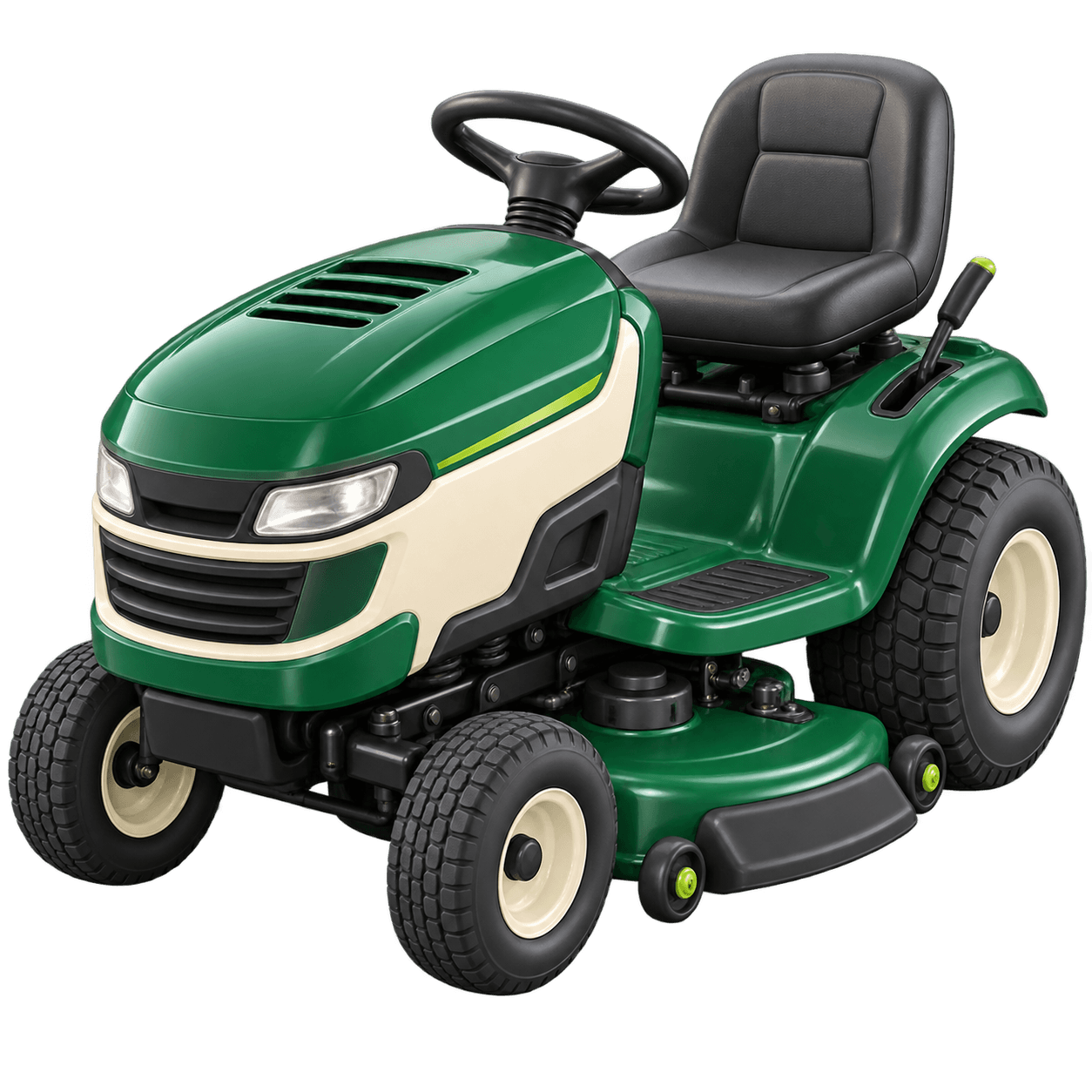
A familiar way to sit and mow. Compare compatible carts, spreaders or baggers if you want it to do other yard jobs.
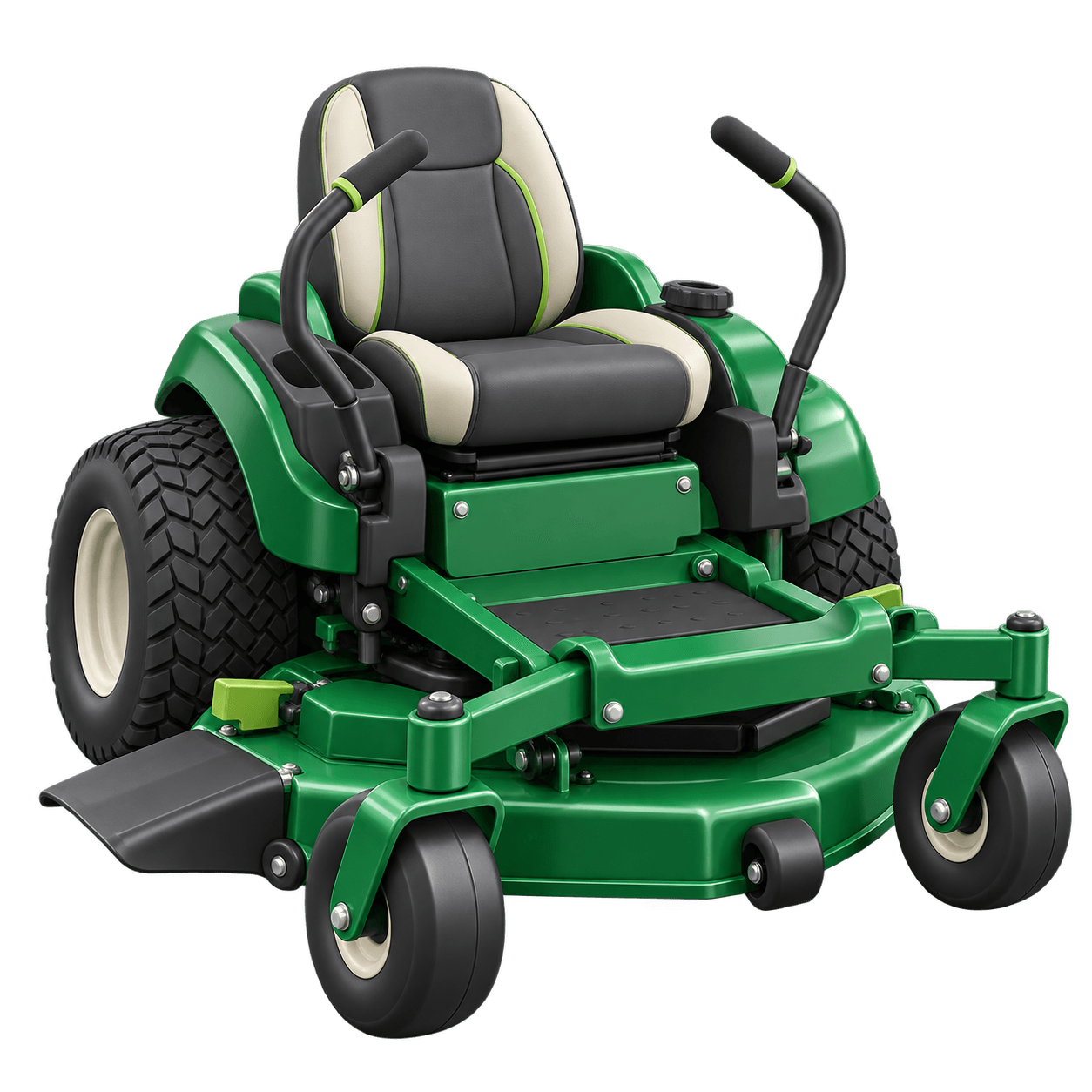
Worth comparing for longer mowing sessions and repeated turns. Pick the deck and machine size for your access and storage.
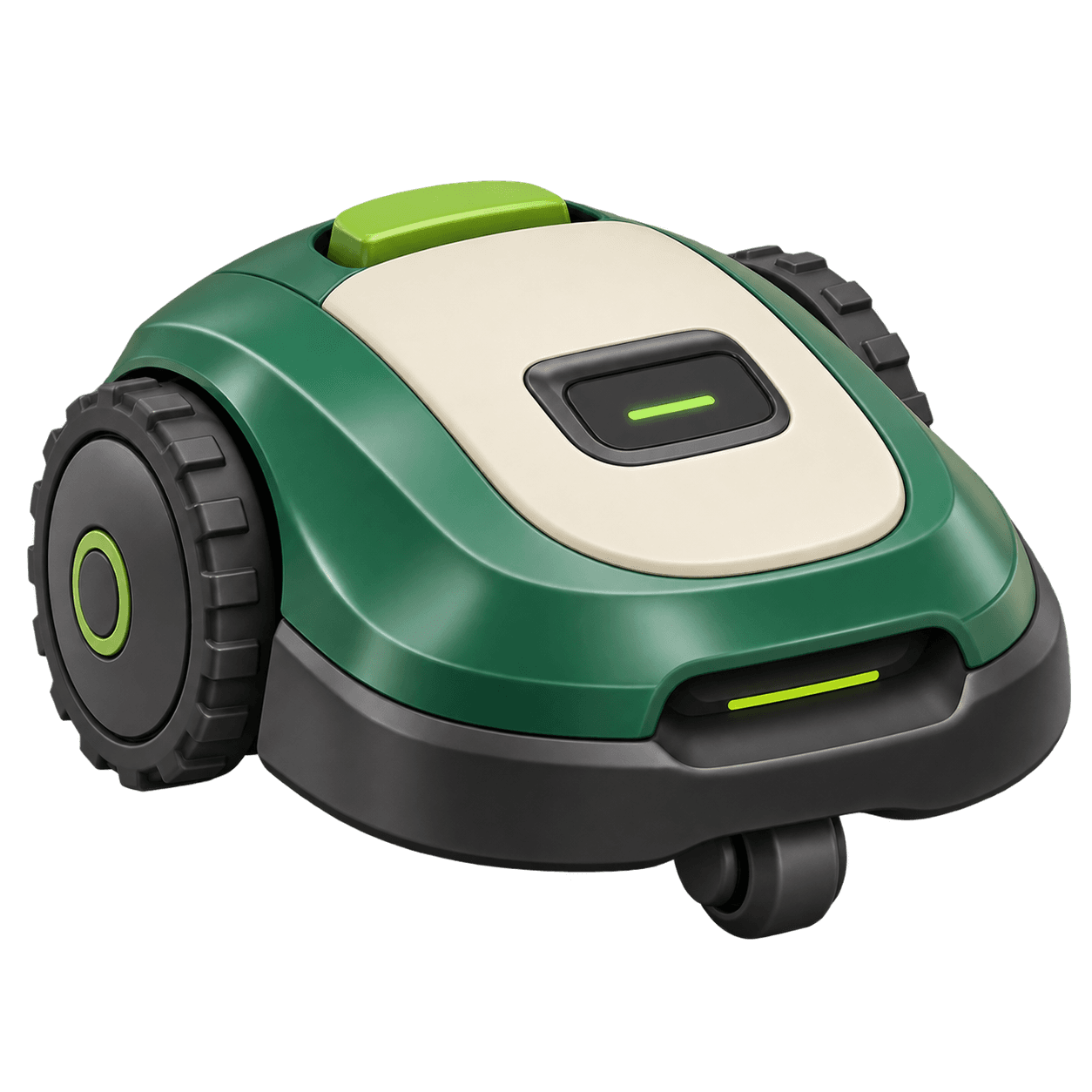
An alternative to doing the mowing yourself. Match the exact model’s capacity, boundary system and installation to the lawn.
Start here when familiar controls and compatible yard attachments matter most.
Compare when maneuvering around beds and reducing repeated turns are priorities.
Consider frequent automatic mowing when the layout, coverage and installation suit it.
Measure the grass, excluding the house, driveway and beds. A two-acre property can have much less than two acres of lawn. Then compare how each machine handles your route.
| What matters | Lawn tractor | Zero-turn |
|---|---|---|
| Steering | Familiar steering wheel and pedals; needs room to turn. | Usually independent wheel control with lap bars; some models use a steering wheel. |
| Trees and beds | Check whether its turning circle fits between your obstacles. | Tight turns can reduce repositioning around obstacles. Practice smooth turns to protect turf. |
| Attachments | A useful starting point for carts, spreaders and other compatible tools. | Baggers and tow attachments exist for some models. Compatibility and tow limits still matter. |
| Open mowing areas | Compare deck size, comfort and the actual time you spend mowing. | Worth considering when repeated turns and long mowing sessions are your main concern. |
| Gates and storage | Measure the full machine, including chute and attachments. | A wide deck still needs gate and storage clearance. Deck width is not overall width. |
| Hills | Follow its own manual and site limits. | Follow its own manual and site limits. Zero-turn does not mean safe on every slope. |
Steering and attachment distinctions: Cub Cadet’s mower buying guide. Confirm attachments against the exact model.
Half an acre: compare a self-propelled walk-behind with a compact rider if time or physical effort makes riding appealing. Storage and gates may decide more than deck size.
Around one acre: compare a lawn tractor and a compact zero-turn. Many beds and trees make turning important; planned cart or spreader use makes attachment compatibility important.
Two acres and up: look closely at mowing time, comfort, fuel or battery capacity, and service access. A wider deck can help on open ground but can be awkward through narrow gaps. These are starting points for comparison, not guaranteed acreage ratings.
Gas gives you the option to refuel during a long session, with engine maintenance to account for. Battery models avoid gasoline and engine oil changes; compare the included batteries, charging time and realistic coverage in your grass. Both still need blade, tire and other routine care.
Confirm delivery and assembly charges, your full machine width with the chute in the required position, the available bagging or mulching kit, warranty service nearby, and replacement parts. Compare the complete usable package, not just the headline mower price.
For slopes, use the exact operator manual and assess the site. Wet grass, ditches and drop-offs can change what is safe. Toro’s TimeCutter manual explains these hazards for its covered models; its limits do not apply automatically to another mower.
Explore gas and battery choices. Retailer labels identify where each link takes you; current offers appear when supplied by the affiliate feed.
Compare the included battery and charger bundle, usable acreage per charge, and local service before choosing a machine.
A robot is worth comparing if you want routine mowing handled automatically. Check the area it can maintain, narrow passages, separate lawn sections, obstacles, connectivity and boundary installation. Wire-free systems still need setup and suitable positioning signals.
Some robots have different capacity ratings for systematic and irregular mowing. Compare the mowing pattern and installation you will actually use, rather than treating the largest advertised acreage as universal.
Compare more wire-free robots, including Amazon optionsYes. Riding mower is the broad category. This comparison uses lawn tractor for a machine with a steering wheel and a conventional turning circle, and zero-turn for a machine designed to turn very tightly.
Start with the area you actually mow, your obstacles and your storage access. A lawn tractor, a compact zero-turn or a suitable robot may all be worth comparing. Acreage alone does not choose the right machine.
Some can, with compatible attachments. Check the exact model’s hitch, tow limit, bagger kit and manual before buying. A lawn tractor is often a useful starting point when attachments are a priority.
There is no safe answer based on type alone. Read the exact model’s slope instructions and assess traction, drop-offs and wet ground. A tighter turning radius does not establish slope safety.