Also compare
Self-propelled
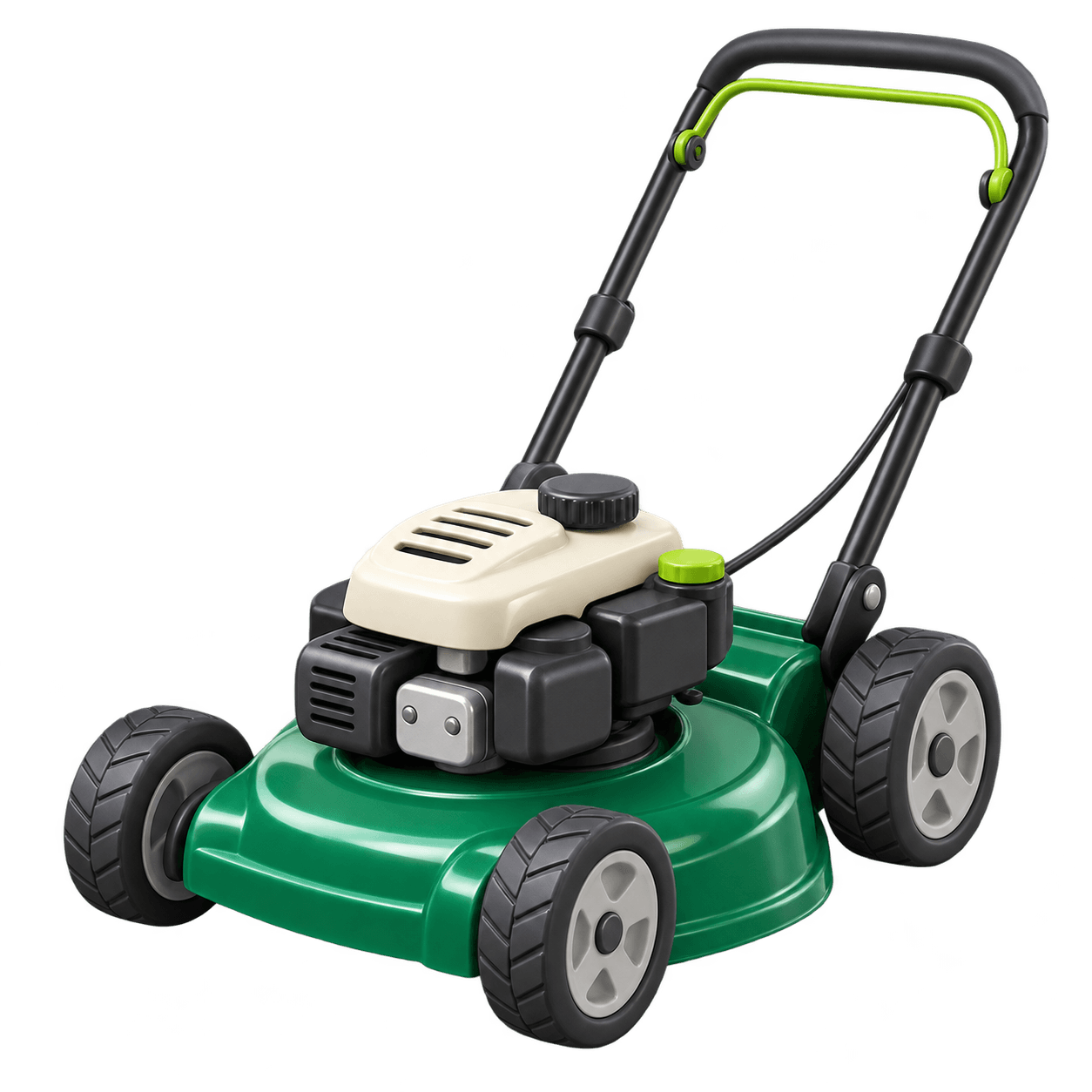
Powered wheels help with the walking effort. A wide-area model is worth comparing if you prefer walking to riding.
LAWN MOWER BUYING GUIDE
Start with how much grass you mow, how hilly it is and the effort you want to put in. Adjust your lawn size below to compare push, self-propelled, riding, zero-turn and robotic mowers—then explore products.
Slide to your mowing area, then tell us about the terrain.
Powered wheels help with the walking effort. A wide-area model is worth comparing if you prefer walking to riding.
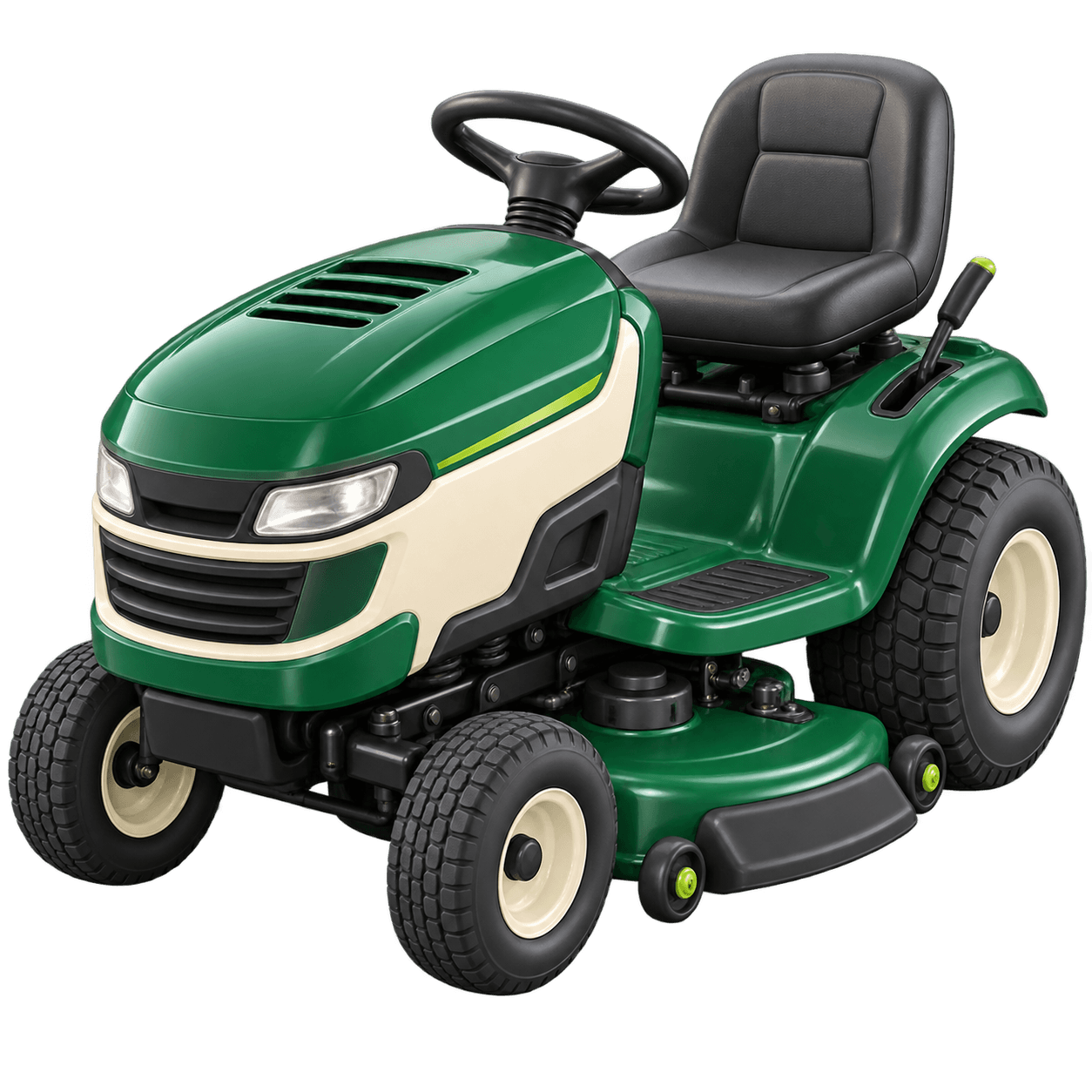
A familiar way to sit and mow. Compare compatible carts, spreaders or baggers if you want it to do other yard jobs.
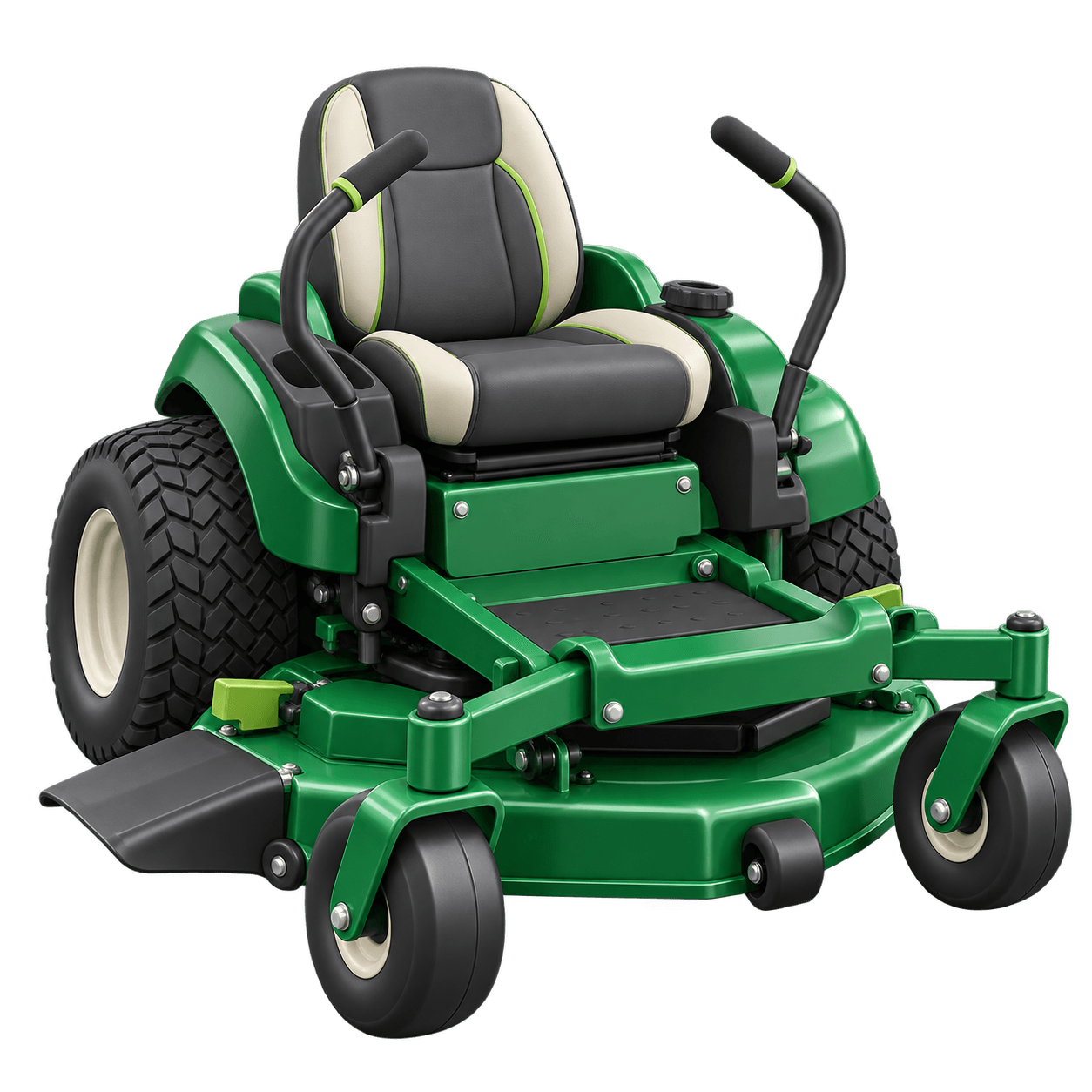
Worth comparing for longer mowing sessions and repeated turns. Pick the deck and machine size for your access and storage.
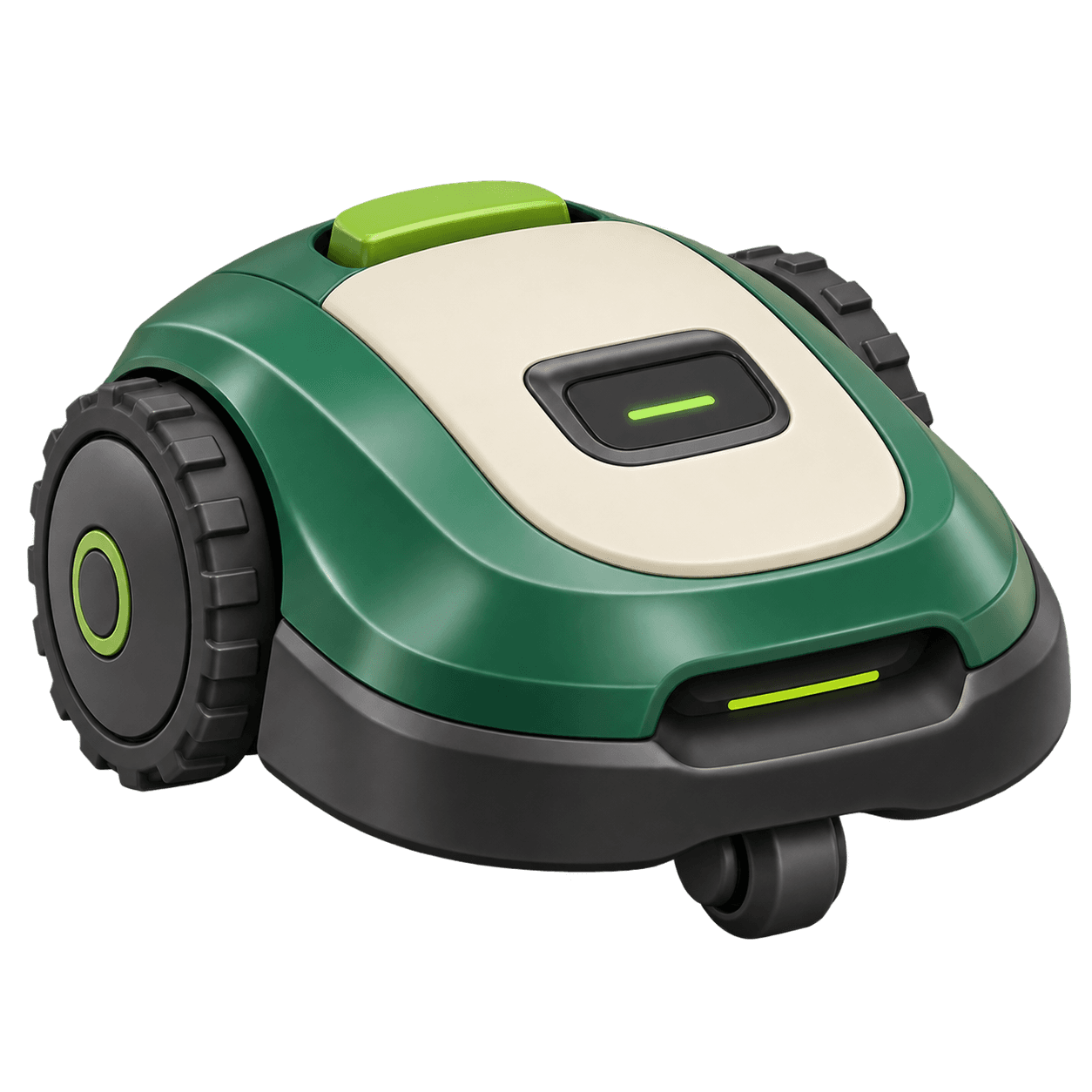
An alternative to doing the mowing yourself. Match the exact model’s capacity, boundary system and installation to the lawn.
Paid link. As an Amazon Associate, MeasureLawn earns from qualifying purchases.
AmazonPaid link. As an Amazon Associate, MeasureLawn earns from qualifying purchases.
AmazonPaid link. As an Amazon Associate, MeasureLawn earns from qualifying purchases.
AmazonPaid link. As an Amazon Associate, MeasureLawn earns from qualifying purchases.
AmazonPaid link. As an Amazon Associate, MeasureLawn earns from qualifying purchases.
AmazonPaid link. As an Amazon Associate, MeasureLawn earns from qualifying purchases.
Affiliate links — we may earn a commission from qualifying purchases at no extra cost to you.
Measure the lawn, rather than the whole property. Your house, driveway, patio and flower beds can make the grass area much smaller than the lot size. One acre is 43,560 square feet; half an acre is 21,780 square feet.
For a small yard or quarter-acre lawn, compare compact push and self-propelled models. At half an acre, compare walking effort with the storage and cost of a rider. Our one-acre and two-acre guides cover larger choices.
A tractor is worth comparing when familiar steering and compatible yard attachments matter. A zero-turn is worth comparing when repeated tight turns are a priority. Terrain, access and the exact machine still decide what works. Compare riding mowers and zero-turns.
Our guidance compares lawn size, mowing effort, layout and model requirements. Manufacturer references: Cub Cadet mower buying guide and Husqvarna mower buying advice. These are starting points, not universal acreage or slope ratings. Updated October 2026.
Start with the grass area you actually mow. A push or self-propelled mower is worth comparing for a smaller lawn; lawn tractors and zero-turns become more appealing as mowing sessions get longer. Terrain, gates, storage, effort and the exact model can change that starting point.
A push mower relies on you to move it. A self-propelled mower powers its wheels to reduce pushing effort. Compare push for a manageable flat lawn, and self-propelled for less effort or longer sessions. On hills, follow the exact model’s operating instructions and limits.
Not automatically. Half an acre is 21,780 square feet of grass. Compare a self-propelled mower with a compact rider based on the time and effort you want to spend, access, storage and terrain. Your whole lot may contain much less than half an acre of mowable grass.
For one acre of grass, compare a lawn tractor and a compact zero-turn. For two acres, mowing time, comfort, deck width and fuel or battery capacity deserve more attention. A suitable robotic mower is another option, provided its rated capacity, installation and site limits match your lawn.
No. It can help explain the trade-offs, but lawn size and a general description of hills cannot establish slope safety. Check the actual slope and the exact operator manual, including boundary limits for robots. Gate width and traction also need checking.