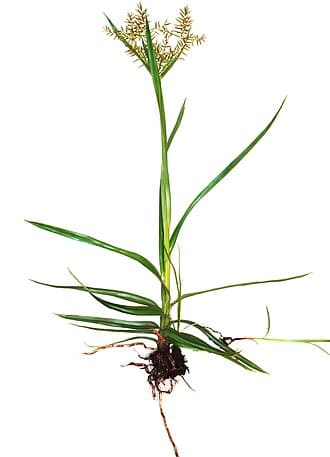
What Nutsedge looks like
Thin, upright stems that grow taller and faster than surrounding grass with a distinct yellowish-green color. Comes in yellow and purple varieties — both are treated the same way.
Photo: Wikimedia Commons
Not sure if it's Nutsedge?
Snap a photo — our free AI compares it to nutsedge and tells you in seconds. No app needed.
Best approach: Herbicide spray
DO NOT pull nutsedge — pulling stimulates underground tubers to produce more plants, making the problem worse. Always use a sedge-specific herbicide like SedgeHammer.
Best products for Nutsedge
Formulated to kill nutsedge without wiping out your grass — see the timing and chemistry below.
Paid links. As an Amazon Associate, MeasureLawn earns from qualifying purchases.

SedgeHammer Plus Turf Herbicide (13.5g)
✓ Kills nutsedgeBeginner friendlyThe go-to nutsedge herbicide - targets sedges specifically without harming your lawn grass, and the pre-mixed surfactant means nothing extra to buy.

Image Kills Nutsedge Concentrate (24 oz)
Beginner friendlyNutsedge and dollarweed on warm-season lawns — attacks tubers underground for lasting control

Blindside Herbicide WDG (8 oz)
Dual broadleaf + sedge control in one product — dollarweed, nutsedge, doveweed, virginia buttonweed
How much do you need?
Herbicide is dosed by lawn size. Pick your yard size for a quick estimate:
Stop guessing
Get the exact amount for your lawn
Measure your lawn on a satellite map in about 30 seconds, then use its exact square footage to choose the right number of packs.
Measure my lawn free →Prefer to read how satellite measurement works first? See the lawn measuring tool.
When to treat Nutsedge
Treat in late spring through summer while the sedge is actively growing — dormant plants shrug off herbicide.
Chemical treatment
Apply a sedge-specific herbicide (halosulfuron/SedgeHammer or sulfosulfuron) when plants are actively growing in late spring through summer. Multiple applications over the season are usually needed.
Non-chemical management
Improve drainage and reduce irrigation. Hand-pulling is ineffective due to underground tubers; rely on herbicides.
How to stop Nutsedge coming back
Avoid waterlogged conditions — nutsedge thrives in wet soils. Improve drainage and don't overwater.
Stop fighting weeds one by one →
Get your free 12-month AI lawn care plan
A thick, healthy lawn is the best weed killer there is. Measure your yard on a satellite map in 30 seconds — we'll build a personalized schedule (fertilizer, seed, mowing, weed control) so nutsedge doesn't come back.
Measure my lawn — it's free →FAQ
What does Nutsedge look like?
Thin, upright stems that grow taller and faster than surrounding grass with a distinct yellowish-green color. Comes in yellow and purple varieties — both are treated the same way.
What's the best way to kill Nutsedge?
Herbicide spray. DO NOT pull nutsedge — pulling stimulates underground tubers to produce more plants, making the problem worse. Always use a sedge-specific herbicide like SedgeHammer.
Is Nutsedge hard to get rid of?
Nutsedge is rated hard to control. It usually requires multiple applications and a consistent plan.
How do I stop Nutsedge coming back?
Avoid waterlogged conditions — nutsedge thrives in wet soils. Improve drainage and don't overwater.
Other sedge weeds
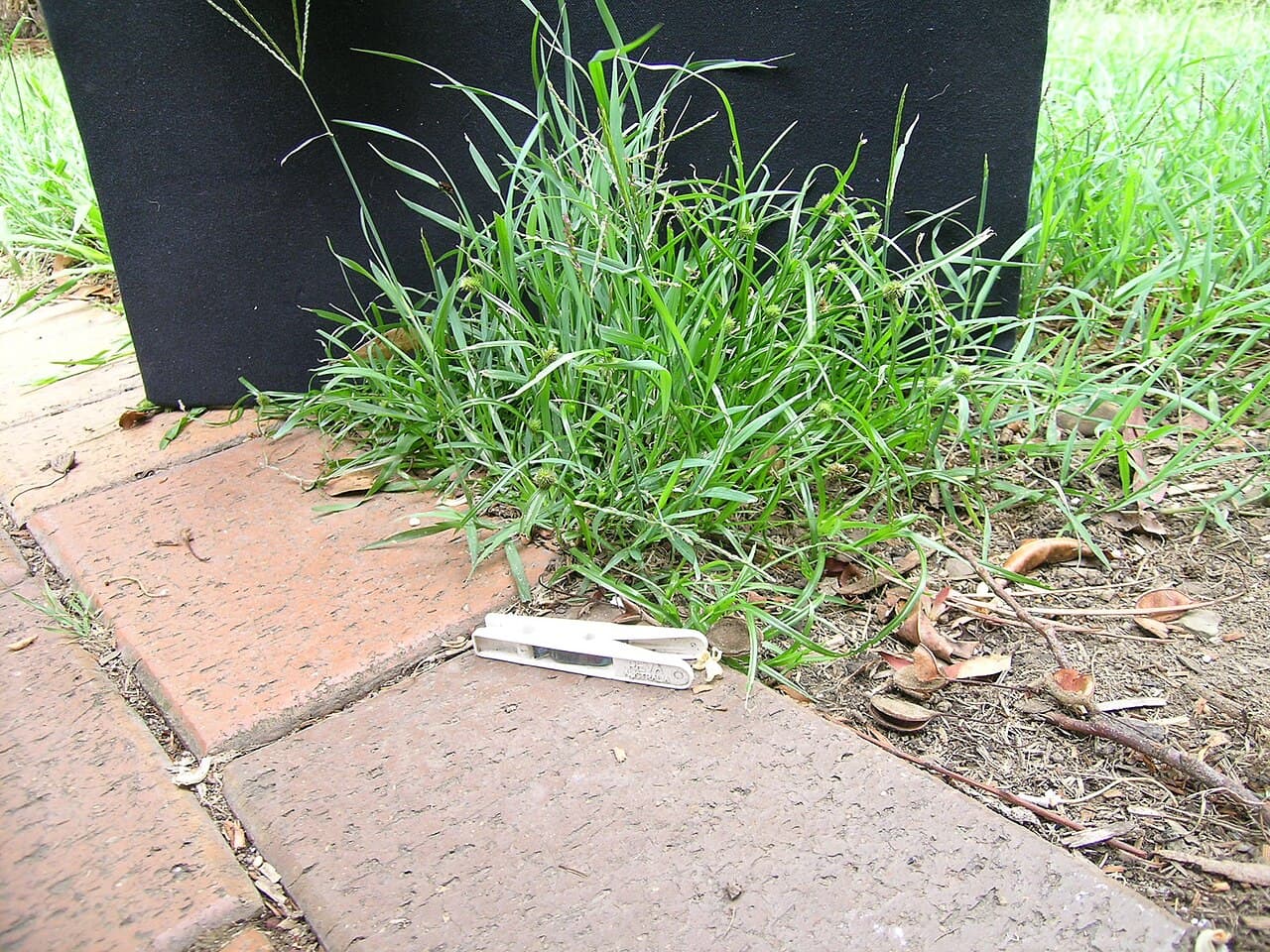
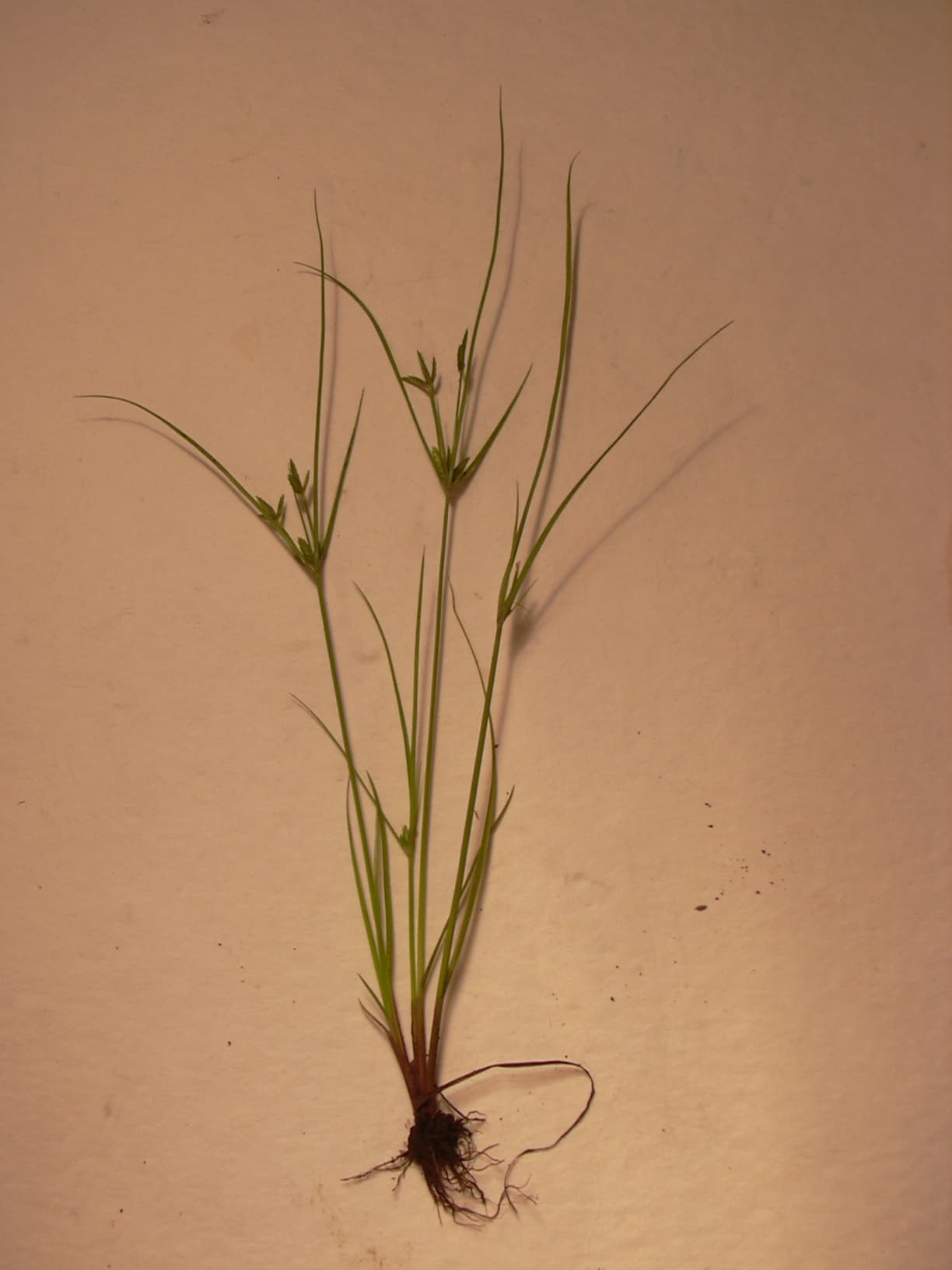
See every weed we cover:
Full weed guide•Photo identifier•Lawn care calendar•Free lawn care plan•Best mowers by size