Good news: you probably want to keep this
This is a native wildflower, not a weed. Butterfly weed is a monarch host plant and one of the best pollinator plants in North America — it cannot survive mowing, never invades a lawn, and almost nobody who scans it should remove it. It is listed here because people photograph it and ask what it is.
What Butterfly Weed looks like
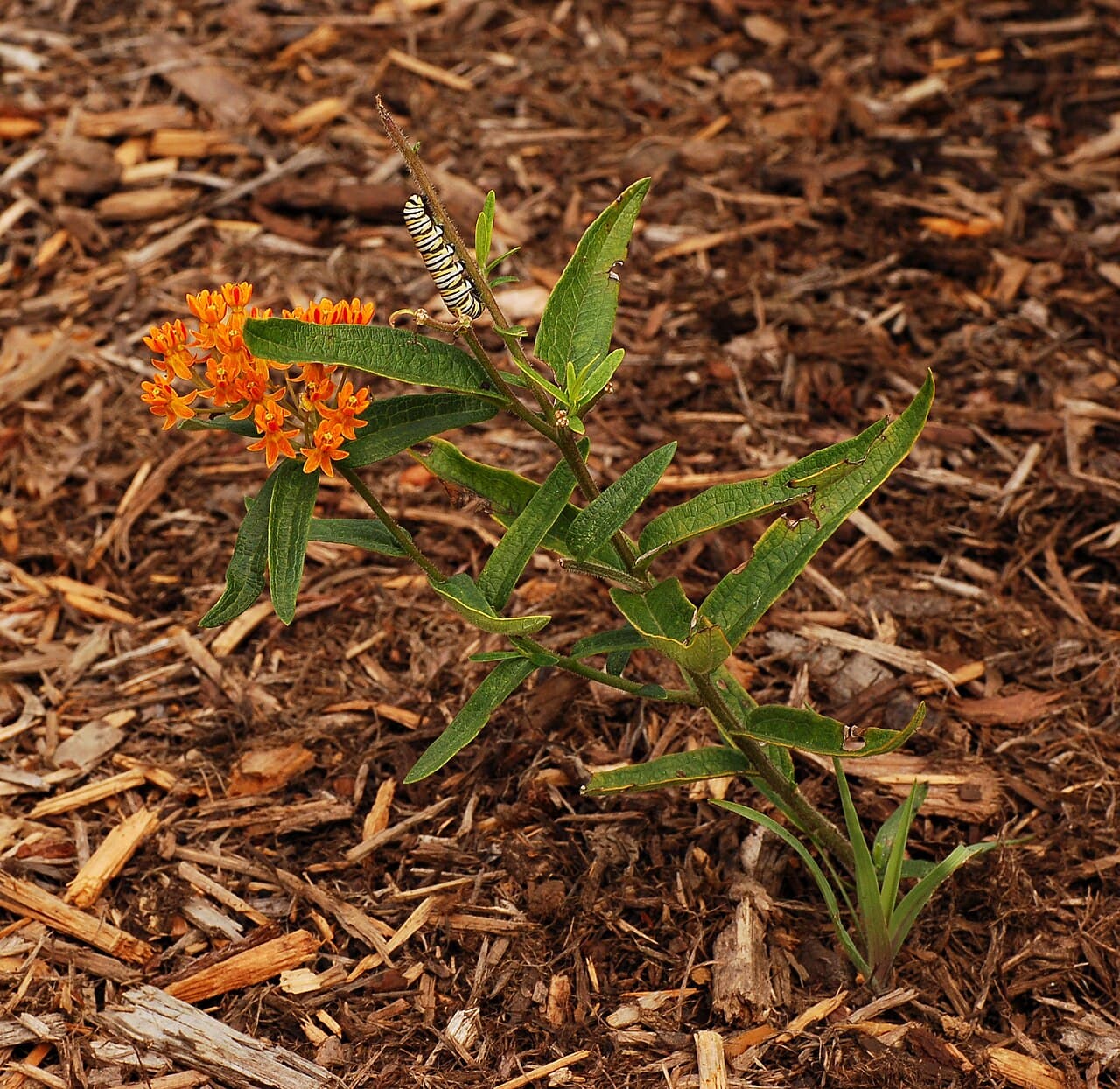
Flat-topped clusters of small, brilliant orange flowers on stiff hairy stems, standing in a tidy knee-high clump in the driest, sunniest, thinnest bit of ground you own. Break a leaf: the sap runs clear and watery, not milky — this is the milkweed without milk — and the leaves spiral alternately up the stem rather than sitting in the opposite pairs almost every other milkweed has.
Photo: Wikimedia Commons
Not sure if it's Butterfly Weed?
Snap a photo — our free AI compares it to butterfly weed and tells you in seconds. No app needed.
Best approach: Hand-pull or dig
Mark it with a stake in autumn: butterfly weed is the last perennial to break ground in spring, and every year people dig out established plants during spring cleanup thinking the ground is bare. An old clump resents disturbance and moves at roughly even odds, so sowing pods where you want them beats relocating the parent.
Tools that make pulling Butterfly Weed easier
Butterfly Weed grows back unless you get the whole root — these pull it out cleanly, root and all, no chemicals needed.

Fiskars Stand-Up Weed Puller
Beginner friendlyRemoving taprooted weeds root-and-all — dandelion, plantain, thistle, dock — without bending, kneeling, or chemicals

Grampa's Weeder Original Stand Up Weed Puller
Beginner friendlyPulling dandelions, plantain, thistle and other taprooted lawn weeds root-and-all — no bending, kneeling, or chemicals

Nisaku NJP650 Hori Hori Weeding Knife
Beginner friendlyDigging out the weeds a claw puller can't grab — creeping rosettes, clumps, and roots that regrow from any fragment left behind
As an Amazon Associate, Measure Lawn earns from qualifying purchases.
When to treat Butterfly Weed
Spray in spring or fall when temperatures are 60–80°F and the weed is actively growing. Avoid summer heat — stressed grass takes collateral damage.
Non-chemical management
The first answer is to leave it: mow around it, or pull the mow line in a foot and let it stand at the bed edge. If it is out in mown turf you already have your answer, because it cannot survive repeated mowing and will fade on its own. Genuinely in the wrong place? Dig, never spray — take ten to twelve inches of intact taproot in early spring as shoots break ground, or in late autumn once dormant.
How to stop Butterfly Weed coming back
Nothing to prevent. If you simply do not want volunteers, snip the pods in late summer before they split, since seed is its only means of spread — no runners, no rhizomes, and seedlings take two to three years to flower.
Stop fighting weeds one by one →
Get your free 12-month AI lawn care plan
A thick, healthy lawn is the best weed killer there is. Measure your yard on a satellite map in 30 seconds — we'll build a personalized schedule (fertilizer, seed, mowing, weed control) so butterfly weed doesn't come back.
Measure my lawn — it's free →FAQ
What does Butterfly Weed look like?
Flat-topped clusters of small, brilliant orange flowers on stiff hairy stems, standing in a tidy knee-high clump in the driest, sunniest, thinnest bit of ground you own. Break a leaf: the sap runs clear and watery, not milky — this is the milkweed without milk — and the leaves spiral alternately up the stem rather than sitting in the opposite pairs almost every other milkweed has.
Should I remove Butterfly Weed?
This is a native wildflower, not a weed. Butterfly weed is a monarch host plant and one of the best pollinator plants in North America — it cannot survive mowing, never invades a lawn, and almost nobody who scans it should remove it. It is listed here because people photograph it and ask what it is. The first answer is to leave it: mow around it, or pull the mow line in a foot and let it stand at the bed edge. If it is out in mown turf you already have your answer, because it cannot survive repeated mowing and will fade on its own. Genuinely in the wrong place? Dig, never spray — take ten to twelve inches of intact taproot in early spring as shoots break ground, or in late autumn once dormant.
Will Butterfly Weed take over my lawn?
Nothing to prevent. If you simply do not want volunteers, snip the pods in late summer before they split, since seed is its only means of spread — no runners, no rhizomes, and seedlings take two to three years to flower.
If I really do need it gone, how?
Hand-pull or dig. Mark it with a stake in autumn: butterfly weed is the last perennial to break ground in spring, and every year people dig out established plants during spring cleanup thinking the ground is bare. An old clump resents disturbance and moves at roughly even odds, so sowing pods where you want them beats relocating the parent.
Other broadleaf weeds
See every weed we cover:
Full weed guide•Photo identifier•Lawn care calendar•Free lawn care plan•Best mowers by size