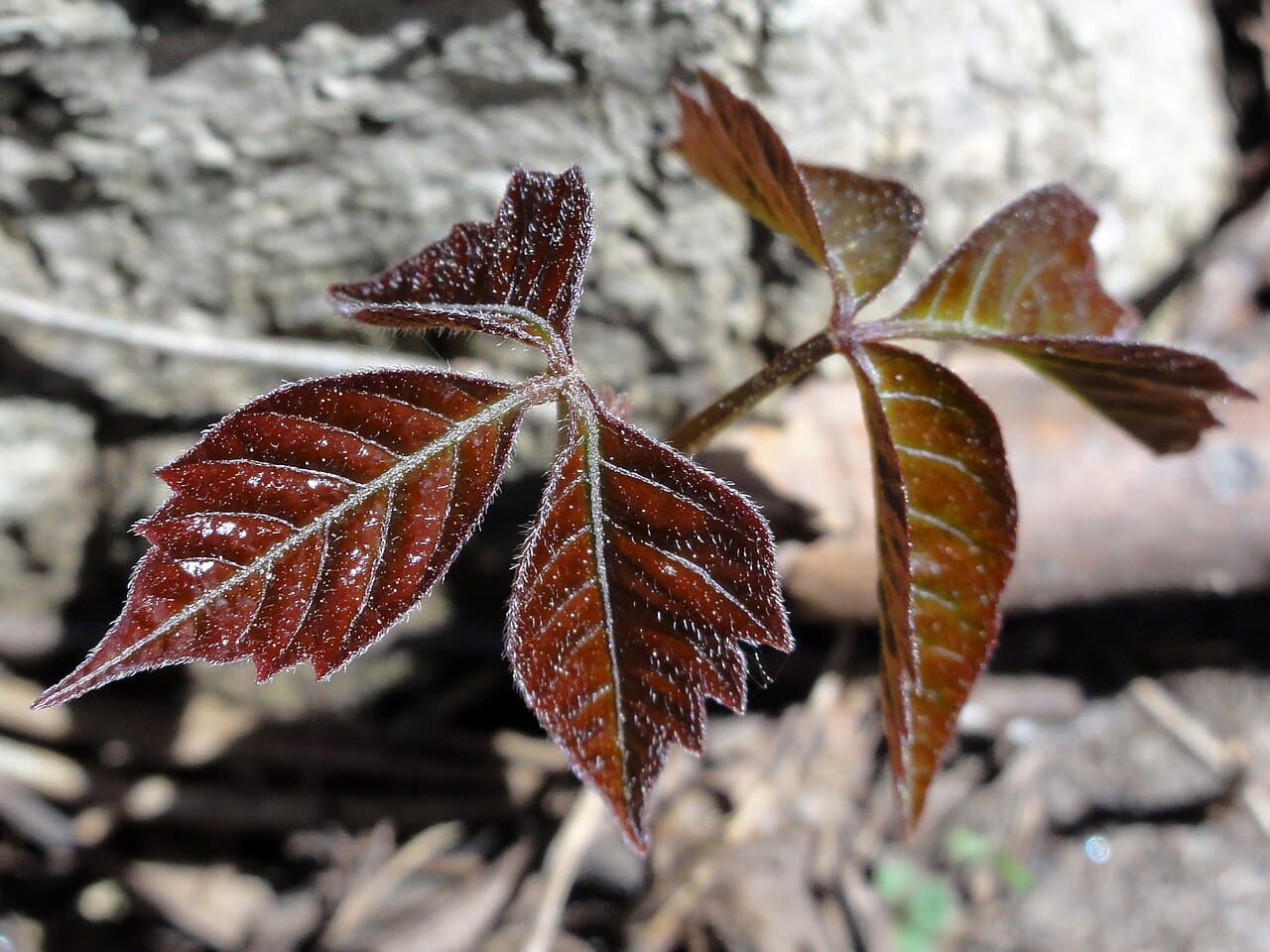
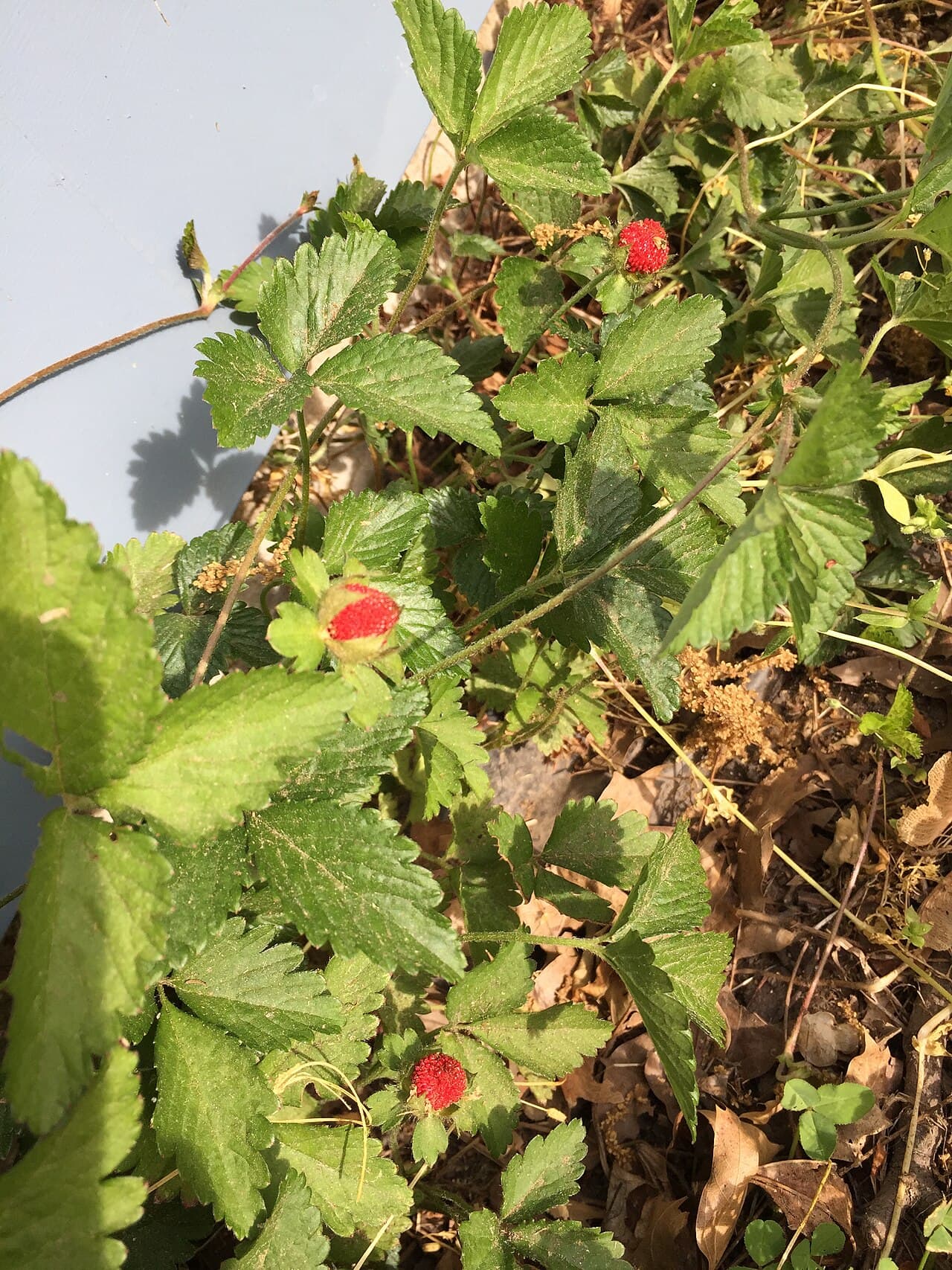
What Poison Ivy looks like
A creeping or climbing woody vine whose leaves always come in groups of three glossy leaflets, the middle one on a longer stalk and the side ones often mitten-shaped, turning red early in fall; Virginia creeper looks similar but has five leaflets, and box elder seedlings have three leaflets that sit opposite each other on the stem instead of alternating.
Photo: Wikimedia Commons
Not sure if it's Poison Ivy?
Snap a photo — our free AI compares it to poison ivy and tells you in seconds. No app needed.
Best approach: Herbicide spray
Spray it rather than pulling it. Every part of the plant — roots, bare winter stems, dead vines — carries the rash-causing urushiol oil, which stays active on gloves, tools and clothing for months. Wear gloves, long sleeves and closed shoes, bag all debris for the trash, wash everything separately afterward, and NEVER burn it — the smoke can put you in the hospital.
Best products for Poison Ivy
Formulated to kill poison ivy without wiping out your grass — see the timing and chemistry below.
Paid links. As an Amazon Associate, MeasureLawn earns from qualifying purchases.

Hi-Yield Triclopyr Ester (8 oz)
✓ Kills poison ivyTriclopyr is the strongest broadleaf-specific herbicide available to homeowners. When 2,4-D products fail on creeping charlie or wild violet, triclopyr gets the job done.

BioAdvanced All-In-One Weed & Feed (22-0-4)
✓ Kills poison ivyBeginner friendly
Scotts Turf Builder Triple Action1
✓ Kills poison ivyBeginner friendlyPrevents crabgrass for up to 4 months, kills dandelion, clover and other listed broadleaf weeds, and feeds. Apply to wet grass, no more than twice a year. Not for St. Augustine. Its label allows centipede, but centipede does better with a stand-alone weed killer and a lighter feeding.
How much do you need?
Herbicide is dosed by lawn size. Pick your yard size for a quick estimate:
Stop guessing
Get the exact amount for your lawn
Measure your lawn on a satellite map in about 30 seconds, then use its exact square footage to choose the right number of packs.
Measure my lawn free →Prefer to read how satellite measurement works first? See the lawn measuring tool.
When to treat Poison Ivy
Spray in spring or fall when temperatures are 60–80°F and the weed is actively growing. Avoid summer heat — stressed grass takes collateral damage.
Chemical treatment
Triclopyr is the herbicide that actually kills poison ivy — choose one labeled for lawns (many triclopyr brush killers are not), spray from full leaf-out in spring until the leaves start to color in fall, and plan a second application about three weeks later, since it regrows from roots after one pass. Triclopyr is safe on tall fescue, Kentucky bluegrass, ryegrass and fine fescue; zoysia may yellow temporarily, so treat it only when actively growing. Do NOT apply triclopyr to bermuda, St. Augustine, centipede or bahia — and do not substitute a 2,4-D three-way on St. Augustine or centipede, because at the reduced rate those grasses need, it will not kill poison ivy anyway. On those lawns, spot-treat instead: carefully paint or spray glyphosate on the ivy leaves only, accept the small dead patch of grass, and reseed or plug it after. For a thick vine, cut it at ground level and treat the fresh stump immediately.
Non-chemical management
Repeated close mowing through the growing season will eventually starve it out of a maintained lawn. If you remove it by hand, wear waterproof gloves and long sleeves, bag everything, and wash tools and clothing afterward.
How to stop Poison Ivy coming back
Pull or spot-treat seedlings along fence lines, tree bases and bed edges every spring, since birds drop the seeds in those same spots year after year.
Stop fighting weeds one by one →
Get your free 12-month AI lawn care plan
A thick, healthy lawn is the best weed killer there is. Measure your yard on a satellite map in 30 seconds — we'll build a personalized schedule (fertilizer, seed, mowing, weed control) so poison ivy doesn't come back.
Measure my lawn — it's free →FAQ
What does Poison Ivy look like?
A creeping or climbing woody vine whose leaves always come in groups of three glossy leaflets, the middle one on a longer stalk and the side ones often mitten-shaped, turning red early in fall; Virginia creeper looks similar but has five leaflets, and box elder seedlings have three leaflets that sit opposite each other on the stem instead of alternating.
What's the best way to kill Poison Ivy?
Herbicide spray. Spray it rather than pulling it. Every part of the plant — roots, bare winter stems, dead vines — carries the rash-causing urushiol oil, which stays active on gloves, tools and clothing for months. Wear gloves, long sleeves and closed shoes, bag all debris for the trash, wash everything separately afterward, and NEVER burn it — the smoke can put you in the hospital.
Is Poison Ivy hard to get rid of?
Poison Ivy is rated moderate to control. Consistent treatment over a season usually does the job.
How do I stop Poison Ivy coming back?
Pull or spot-treat seedlings along fence lines, tree bases and bed edges every spring, since birds drop the seeds in those same spots year after year.
Other broadleaf weeds
See every weed we cover:
Full weed guide•Photo identifier•Lawn care calendar•Free lawn care plan•Best mowers by size