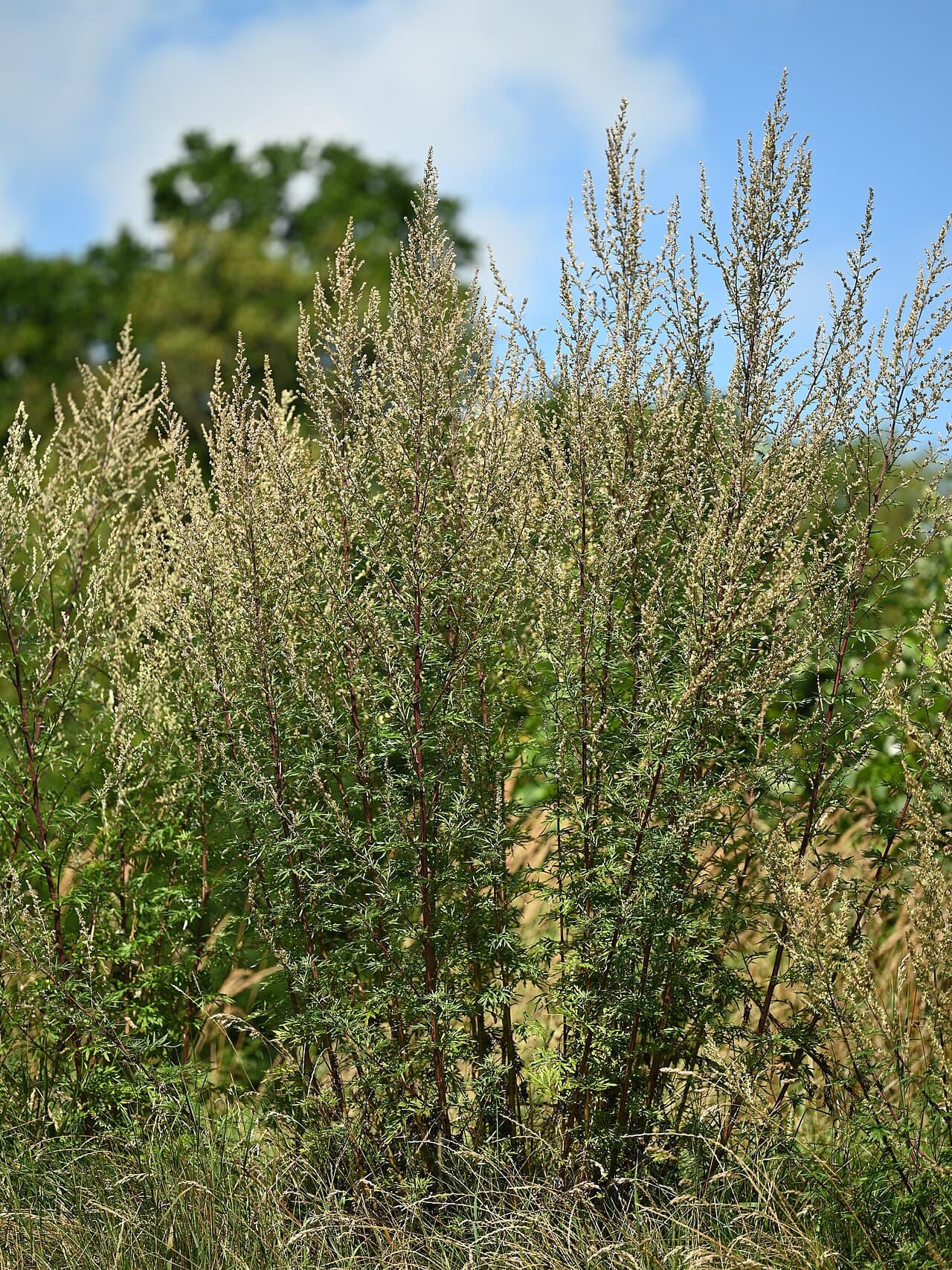
What Mugwort looks like
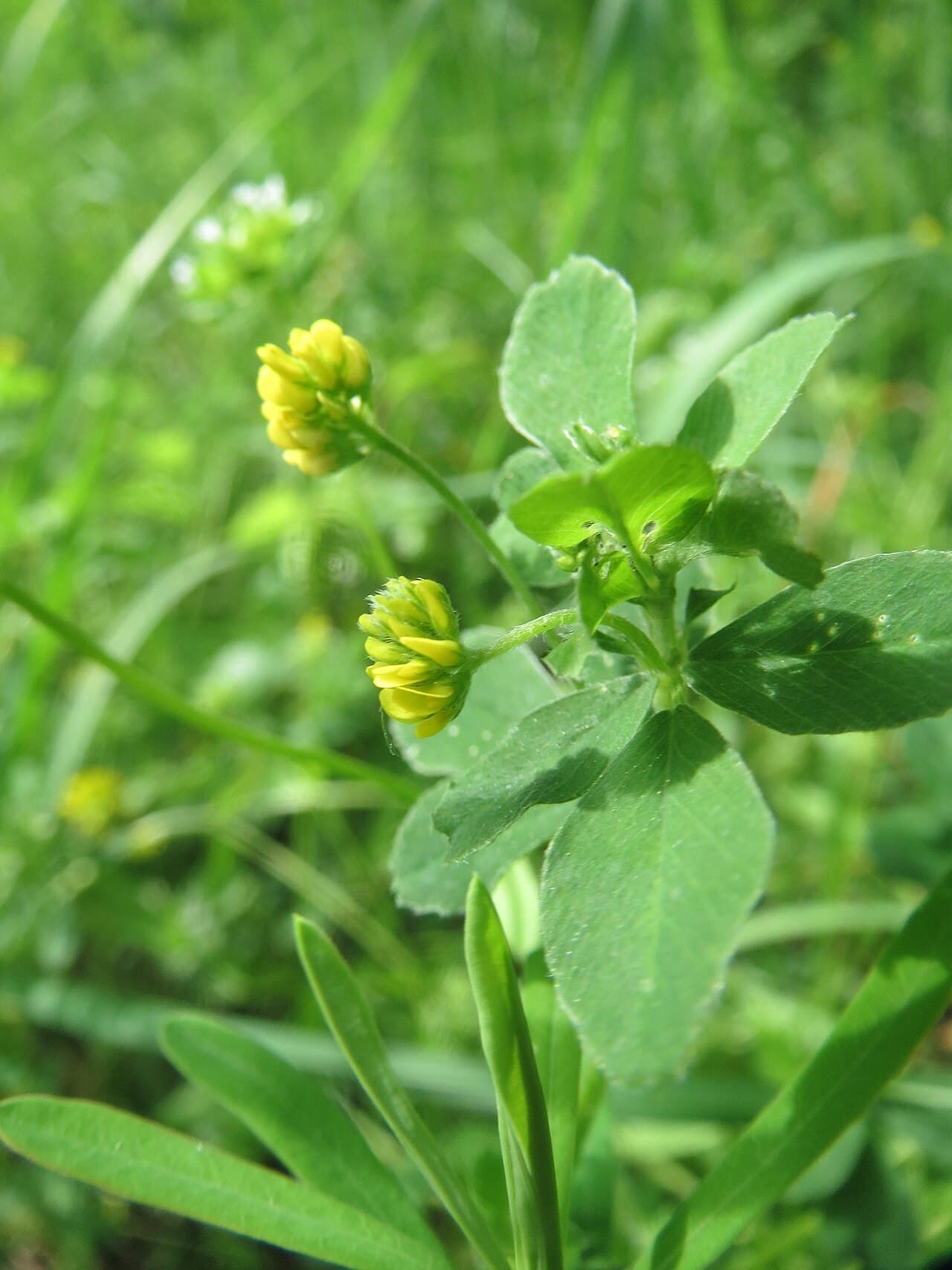
An upright plant with deeply cut, fern-like leaves that are dark green on top and bright silvery-white and woolly on the underside, giving off a strong sage-like smell when crushed; it looks a lot like a garden chrysanthemum or ragweed, but the white fuzzy leaf underside is the giveaway, and it keeps growing back even under regular mowing.
Photo: Wikimedia Commons
Not sure if it's Mugwort?
Snap a photo — our free AI compares it to mugwort and tells you in seconds. No app needed.
Best approach: Hand-pull or dig
Dig out the entire root mass after a soaking rain and be thorough — every rhizome fragment left behind sprouts a new plant, so a sloppy dig spreads the patch. For anything bigger than a few plants, smother it: cardboard plus 4 inches of mulch for a full growing season, then reseed. Expect two to three seasons either way.
Tools that make pulling Mugwort easier
Mugwort grows back unless you get the whole root — these pull it out cleanly, root and all, no chemicals needed.
Paid links. As an Amazon Associate, MeasureLawn earns from qualifying purchases.

Fiskars Stand-Up Weed Puller
Beginner friendlyRemoving taprooted weeds root-and-all — dandelion, plantain, thistle, dock — without bending, kneeling, or chemicals

Grampa's Weeder Original Stand Up Weed Puller
Beginner friendlyPulling dandelions, plantain, thistle and other taprooted lawn weeds root-and-all — no bending, kneeling, or chemicals

Nisaku NJP650 Hori Hori Weeding Knife
Beginner friendlyDigging out the weeds a claw puller can't grab — creeping rosettes, clumps, and roots that regrow from any fragment left behind
When to treat Mugwort
Pull while the soil is moist and before it flowers or sets seed.
Non-chemical management
Smother patches with heavy landscape fabric or thick cardboard topped with mulch for a full season, since mowing alone is not enough and rhizomes survived two years of routine mowing in trials. Never rototill or cultivate through it, because every chopped root piece becomes a new plant.
How to stop Mugwort coming back
Inspect new nursery stock, mulch and fill deliveries for mugwort rhizomes, which is how most lawns get it in the first place.
Stop fighting weeds one by one →
Get your free 12-month AI lawn care plan
A thick, healthy lawn is the best weed killer there is. Measure your yard on a satellite map in 30 seconds — we'll build a personalized schedule (fertilizer, seed, mowing, weed control) so mugwort doesn't come back.
Measure my lawn — it's free →FAQ
What does Mugwort look like?
An upright plant with deeply cut, fern-like leaves that are dark green on top and bright silvery-white and woolly on the underside, giving off a strong sage-like smell when crushed; it looks a lot like a garden chrysanthemum or ragweed, but the white fuzzy leaf underside is the giveaway, and it keeps growing back even under regular mowing.
What's the best way to kill Mugwort?
Hand-pull or dig. Dig out the entire root mass after a soaking rain and be thorough — every rhizome fragment left behind sprouts a new plant, so a sloppy dig spreads the patch. For anything bigger than a few plants, smother it: cardboard plus 4 inches of mulch for a full growing season, then reseed. Expect two to three seasons either way.
Is Mugwort hard to get rid of?
Mugwort is rated hard to control. It usually requires multiple applications and a consistent plan.
How do I stop Mugwort coming back?
Inspect new nursery stock, mulch and fill deliveries for mugwort rhizomes, which is how most lawns get it in the first place.
Other broadleaf weeds
See every weed we cover:
Full weed guide•Photo identifier•Lawn care calendar•Free lawn care plan•Best mowers by size