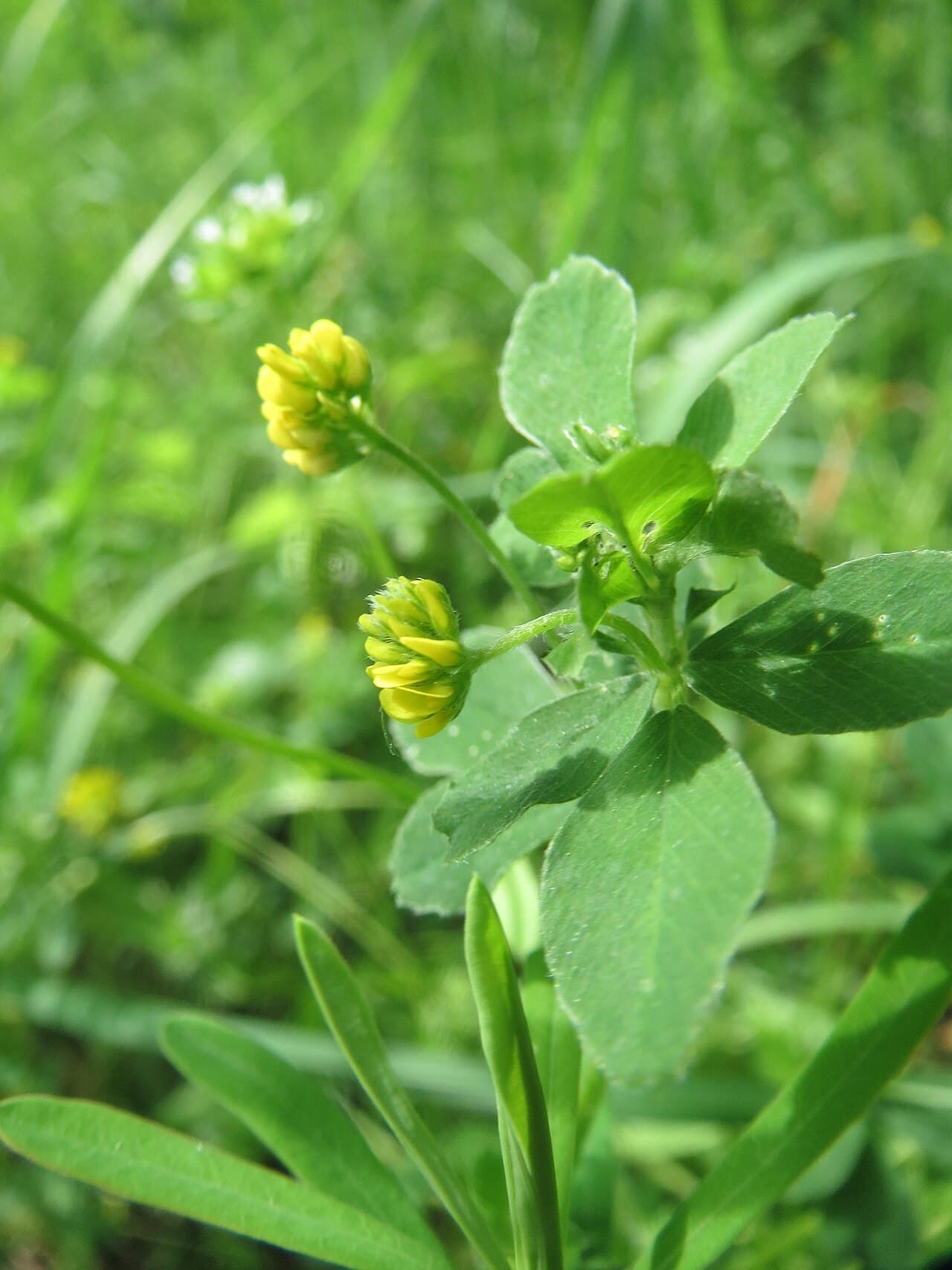
What Black Medic looks like
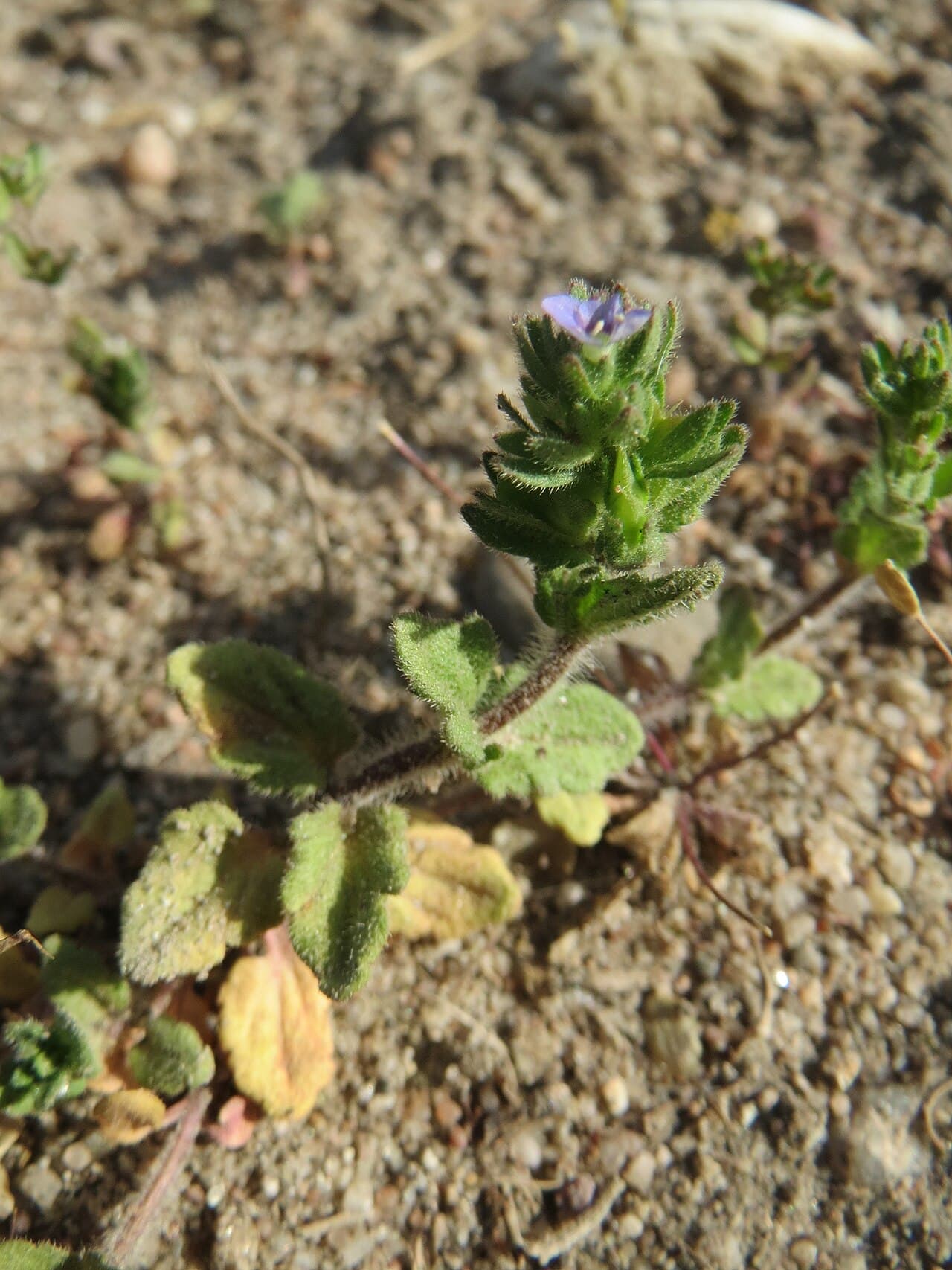
Low sprawling mats of clover-like leaves in groups of three with tiny bright-yellow flower clusters about the size of a pea — unlike white clover, the middle leaflet sits on its own short stalk and the leaves have no pale crescent marking.
Photo: Wikimedia Commons
Not sure if it's Black Medic?
Snap a photo — our free AI compares it to black medic and tells you in seconds. No app needed.
Best approach: Spray or dig
Young plants pull cleanly from moist soil, but mature ones have a deep taproot that snaps and regrows from the crown. Spot-spray established patches rather than blanket-treating the whole lawn.
Best products for Black Medic
Formulated to kill black medic without wiping out your grass — see the timing and chemistry below.
Paid links. As an Amazon Associate, MeasureLawn earns from qualifying purchases.

BioAdvanced All-In-One Weed & Feed (22-0-4)
✓ Kills black medicBeginner friendly
Ortho WeedClear Lawn Weed Killer Concentrate (Northern)
✓ Kills black medicBeginner friendlyBest value broadleaf herbicide that ALSO kills crabgrass. 250+ weeds controlled. Great beginner option.

Ortho WeedClear Ready-to-Spray Hose-End (Northern)
✓ Kills black medicBeginner friendlyNo mixing, no pump sprayer needed. Hose-end applicator makes this the easiest weed killer to use. Perfect for beginners.
How much do you need?
Herbicide is dosed by lawn size. Pick your yard size for a quick estimate:
Stop guessing
Get the exact amount for your lawn
Measure your lawn on a satellite map in about 30 seconds, then use its exact square footage to choose the right number of packs.
Measure my lawn free →Prefer to read how satellite measurement works first? See the lawn measuring tool.
When to treat Black Medic
Spray in spring or fall when temperatures are 60–80°F and the weed is actively growing. Avoid summer heat — stressed grass takes collateral damage.
Chemical treatment
Black medic is a legume, and dicamba is the ingredient that actually kills it (mecoprop/MCPP is weak on this weed), so reach for a three-way product that pairs dicamba with 2,4-D and MCPP, applied in late spring or early fall while the plant is actively growing and the soil is moist. If your lawn is St. Augustine or centipede, use the reduced rate printed on the label and don't spray when it will top 85F that day, because 2,4-D and dicamba burn those two grasses at full strength. Triclopyr is a good alternative on cool-season lawns only (tall fescue, Kentucky bluegrass, perennial ryegrass, fine fescue) — it injures bermuda, zoysia, St. Augustine, centipede, and bahia. Quinclorac also works, but only on tall fescue, Kentucky bluegrass, perennial ryegrass, bermuda, and zoysia — do NOT put it on fine fescue, bahia, St. Augustine, or centipede.
Non-chemical management
Feed the lawn and raise the mower to 3 inches or higher — black medic moves into underfed, thin, drought-stressed turf and cannot compete with dense grass. Pull young plants after rain, before the taproot toughens.
How to stop Black Medic coming back
Keep nitrogen levels up and mow high — black medic colonizes hungry, compacted, dry lawns.
Stop fighting weeds one by one →
Get your free 12-month AI lawn care plan
A thick, healthy lawn is the best weed killer there is. Measure your yard on a satellite map in 30 seconds — we'll build a personalized schedule (fertilizer, seed, mowing, weed control) so black medic doesn't come back.
Measure my lawn — it's free →FAQ
What does Black Medic look like?
Low sprawling mats of clover-like leaves in groups of three with tiny bright-yellow flower clusters about the size of a pea — unlike white clover, the middle leaflet sits on its own short stalk and the leaves have no pale crescent marking.
What's the best way to kill Black Medic?
Spray or dig. Young plants pull cleanly from moist soil, but mature ones have a deep taproot that snaps and regrows from the crown. Spot-spray established patches rather than blanket-treating the whole lawn.
Is Black Medic hard to get rid of?
Black Medic is rated moderate to control. Consistent treatment over a season usually does the job.
How do I stop Black Medic coming back?
Keep nitrogen levels up and mow high — black medic colonizes hungry, compacted, dry lawns.
Other broadleaf weeds
See every weed we cover:
Full weed guide•Photo identifier•Lawn care calendar•Free lawn care plan•Best mowers by size