The Honest Guide to Clover Lawns
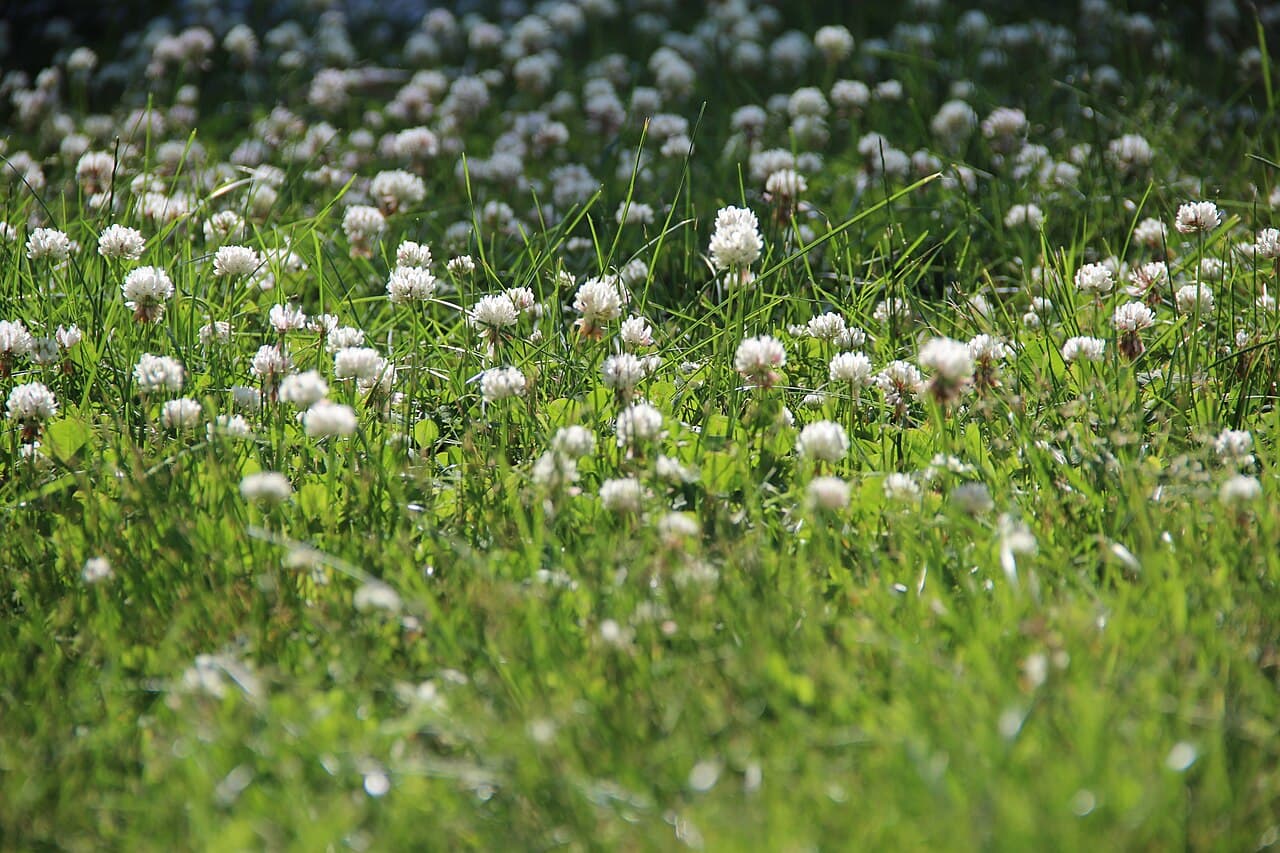
A clover lawn — usually microclover or white Dutch clover — stays green on little water, feeds itself nitrogen (so almost no fertilizer), and supports pollinators. The trade-offs: it's a short-lived perennial that needs reseeding, dislikes shade and heavy traffic, and can't be sprayed with ordinary weed killer. For most US yards the sweet spot is a grass + ~5% microclover blend, not a pure clover lawn.
Is clover good for lawns? The honest pros and cons
Clover was a standard part of lawn seed mixes until the 1950s, when broadleaf weed killers — which happen to kill clover — became popular and it got rebranded as a weed. Today it's back, for good reasons. Here's the balanced picture.
- Fixes its own nitrogen — ~1–2 lb N per 1,000 sq ft a year, so little or no fertilizer.
- Needs less water and stays green in normal dry spells.
- Crowds out weeds once it's thick.
- Low-mow — a pure stand needs cutting only a few times a season.
- Feeds pollinators — bees love the flowers.
- Tolerates poor, compacted soil and improves it.
- No dog-pee burn spots like grass gets.
- Short-lived — reseed microclover yearly, a pure lawn every 2–3 years.
- Goes patchy and clumpy by year 2–3.
- Dies back in summer heat; not truly drought-proof long term.
- Poor in shade (needs ~4+ hrs sun) and weak under heavy traffic.
- No broadleaf weed killers — they kill clover outright.
- Attracts bees (a barefoot/allergy consideration).
- Can stain clothes, spread into beds, and upset some HOAs.
How clover feeds itself (and your grass)
Are clover lawns worth it? Read this before you commit
The honest verdict from university turf programs: a grass-clover blend is worth it for most people; a pure clover lawn is a niche choice. University of Maryland Extension explicitly does not recommend converting turf to a pure microclover stand and notes no research supports it as a standalone lawn there. The biggest surprises new clover owners hit:
- It's not plant-once-done. Expect to overseed microclover every year and resow a pure stand every 2–3 years.
- Summer can be rough. In hot, humid or transition-zone climates clover browns and dies back in peak heat.
- You give up your weed-control toolkit. No 2,4-D, no weed-and-feed, no crabgrass pre-emergent at seeding time.
- It's a bee magnet in bloom — wonderful for pollinators, a genuine thought if anyone's allergic.
None of these are deal-breakers — they're just the things the glossy articles skip. Go in knowing them and you won't be disappointed.
Clover lawn vs grass: side by side
| Clover lawn | Traditional grass | |
|---|---|---|
| Fertilizer | None — it makes its own nitrogen | Regular nitrogen feeding |
| Watering | Less than grass | More, especially in summer |
| Mowing | Rarely (pure stand) | Weekly in season |
| Weed killers | Can't use broadleaf herbicides | Full range available |
| Foot traffic | Weak (blend is better) | Strong |
| Lifespan | Reseed every 1–3 years | Years with care |
| Pollinators | Feeds bees | No benefit |
| Shade | Poor (needs sun) | Some grasses tolerate it |
| Look | Rustic, can be patchy | Uniform if maintained |
| Cost over time | Low (little input) | Higher (inputs add up) |
The takeaway most extension services land on: you don't have to choose. A blend — grass for durability and looks, plus about 5% microclover for the free nitrogen and drought tolerance — gives you most of clover's upside with none of its fragility.
White clover vs microclover: which should you plant?
White clover vs microclover — same plant, different look
| White / Dutch clover | Microclover | |
|---|---|---|
| Leaf size | Large | Small |
| Height | Taller | Low, 4–6 in |
| Flowers | Many (May–Sep) | Few when mown |
| Look in a lawn | Rustic, patchy | Neat, blends like turf |
| Spreads | Aggressively | Less; more clump-forming |
| Seed cost | Cheapest | Pricier |
| Best for | Max bee bloom, low cost | A tidy, uniform lawn |
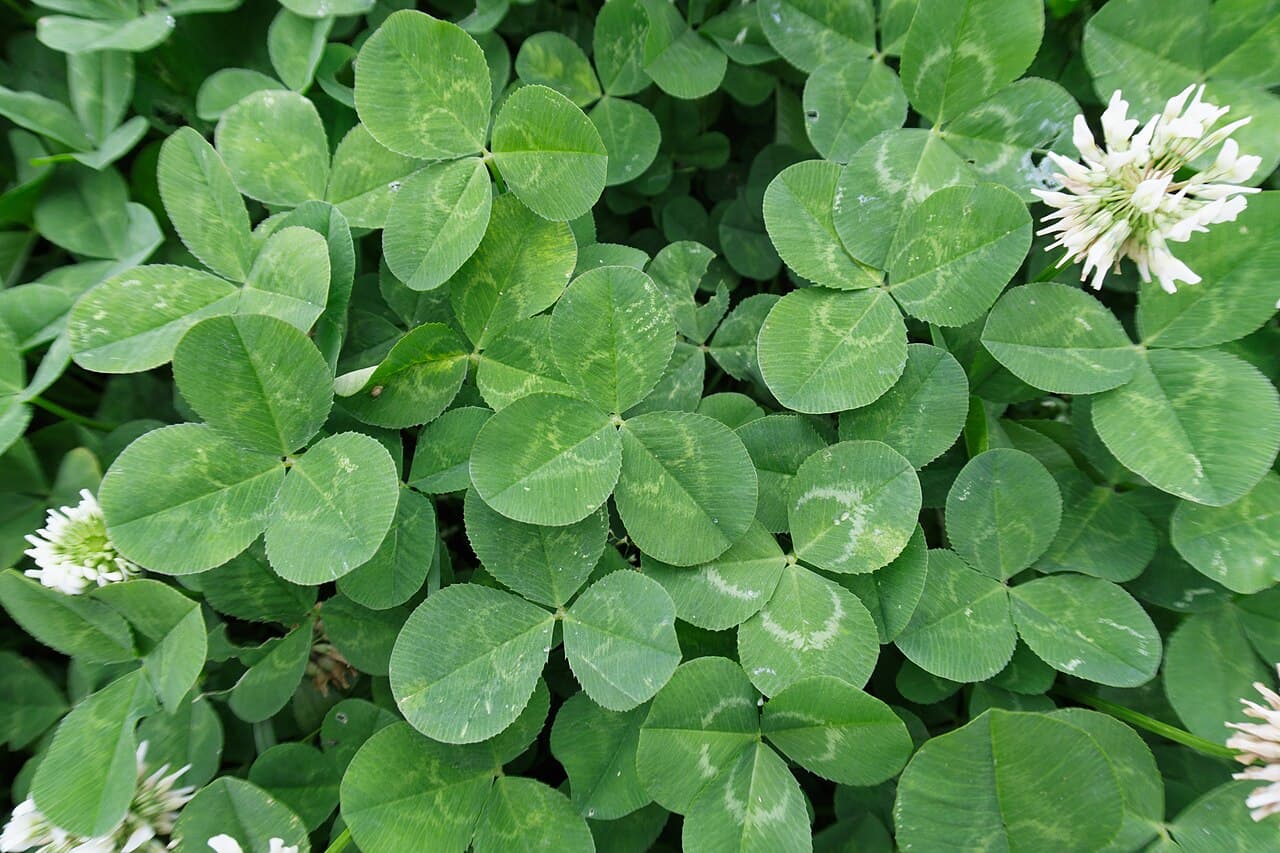
Both are the same species (Trifolium repens) — microclover is simply dwarf cultivars bred for smaller leaves and fewer flowers. Pick microclover for a neat, lawn-like blend; standard white clover for the most pollinator bloom at the lowest seed cost.
How much clover seed do you need?
Enter your lawn size below for the exact amount — or measure your real lawn free first, and your seed total is precise with no waste.
How much clover seed per 1,000 sq ft
Clover seeding rate table
| What you're doing | Per 1,000 sq ft | Per acre |
|---|---|---|
| Microclover — new lawn | 1–2 oz | ~3–5 lb |
| Microclover — overseed / blend | 0.5–1 oz | ~3–5 lb |
| White / Dutch clover — new lawn | 2–4 oz | ~6–8 lb |
| White clover — overseed into grass | 2–4 oz | ~7–14 lb |
| Grass + clover blend | Grass at its rate + microclover ≈ 5% by weight | — |
Rates from US extension and seed-supplier guidance; sources vary, so these are practical ranges. Microclover seed is tiny — mix with sand for even spreading.
Clover & microclover seed worth buying
Real, in-stock picks across every bag size — small yards to acreage. Coated/inoculated seed is the easiest.

Mountain Valley Seed Co. Micro Clover Seed
True dwarf microclover with the widest bag range on Amazon — a 1 oz tester up to 25 lb bulk. Raw seed, so pair it with the inoculant below.

Outsidepride White MiniClover (Nitro-Coated)
Beginner friendlyThe best-known miniclover — a small-leaf dwarf that only reaches 4–6 in and mows clean like turf. Coated and ready to sow.

Outsidepride White Dutch Clover (Nitrocoated + Inoculated)
Beginner friendlyClassic Dutch white clover, already coated and inoculated so no separate inoculant is needed. Deepest bag ladder around — small yards to acreage.
Scotts Turf Builder Clover Lawn
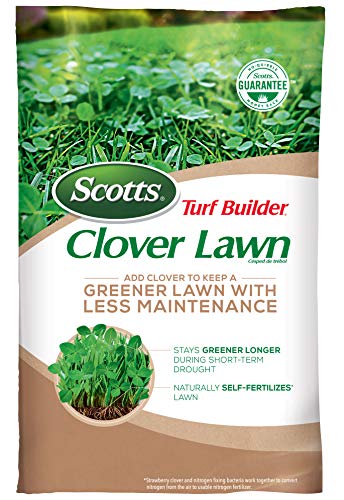
Beginner friendlyThe trusted Scotts name lowers the risk for first-timers. One 2 lb bag covers a typical small yard.
As an Amazon Associate, Measure Lawn earns from qualifying purchases. We only suggest products we'd use ourselves; the price you pay is the same.
How to plant a clover lawn, step by step
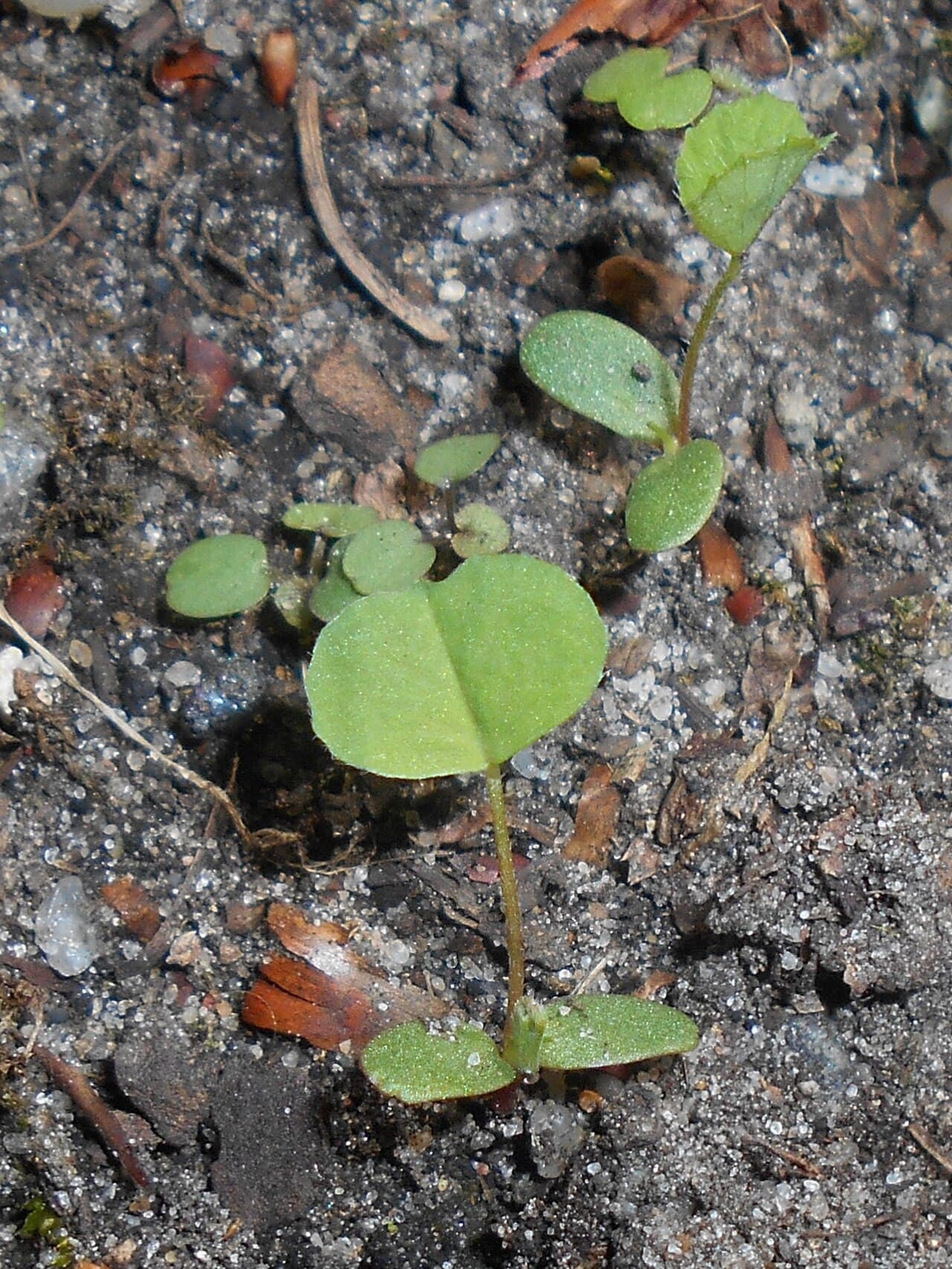
How to overseed an existing lawn with clover
Already have grass and just want to mix clover in? This is the most popular path — and the safest, since the grass keeps the lawn durable while clover adds the nitrogen and drought tolerance.
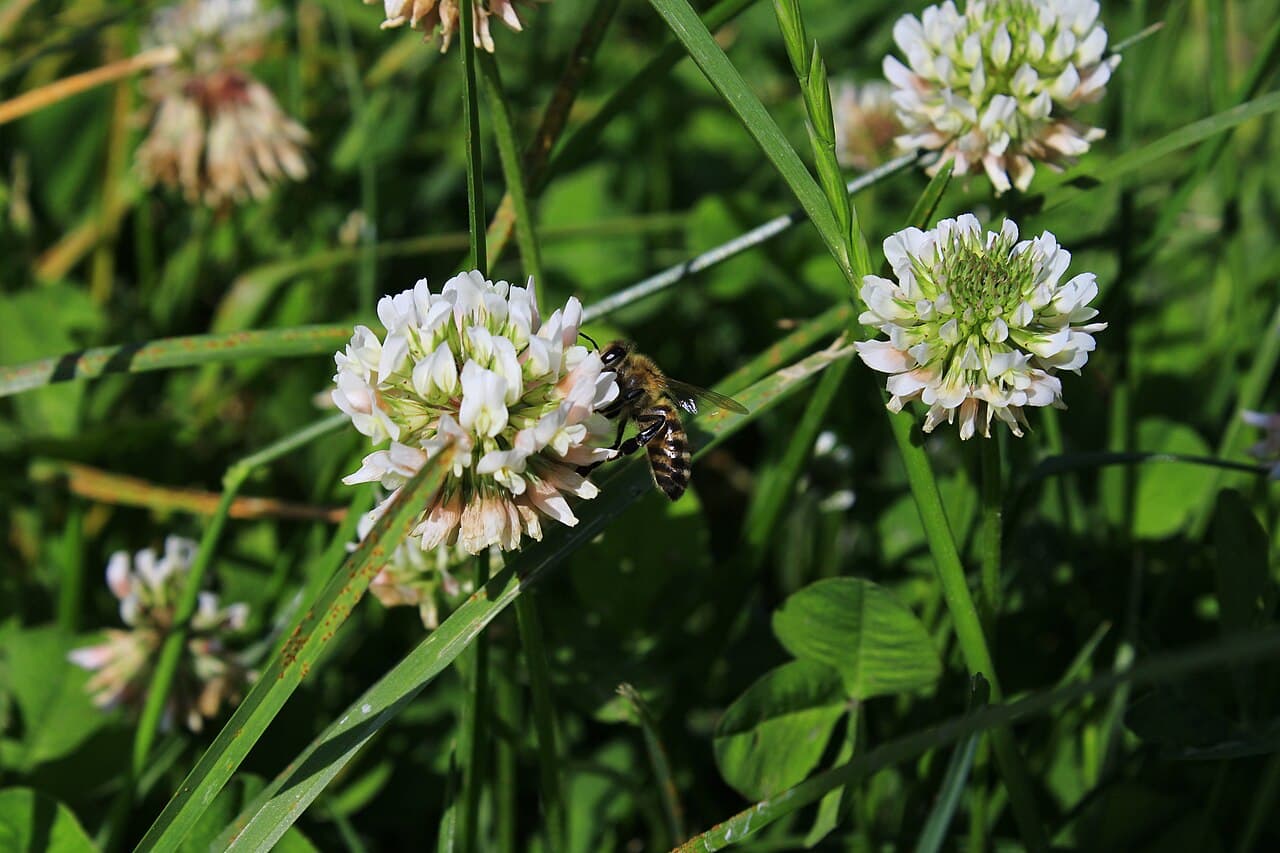
When to plant clover
Clover germinates once soil is consistently 50–60°F or warmer. There are two good windows:
Mid-August through September. Warm soil, cooling air, fall rains and far less weed competition. The top pick in most regions; lean this way in the South.
April–May, after the last hard frost once soil warms. A long runway to establish, but more weed pressure — and you must skip spring pre-emergents.
Not sure your soil is warm enough yet? Check the live soil temperature for your area, or see the month-by-month lawn calendar.
How to care for a clover lawn
What to expect — from seed to settled-in
Handy for sowing clover
Raw seed needs an inoculant; fine seed spreads best from a handheld broadcaster.

Mountain Valley Alfalfa & Clover Inoculant
The correct clover Rhizobium strain. Dust it on raw, untreated seed (like the microclover above) so the nitrogen-fixing partnership actually forms.
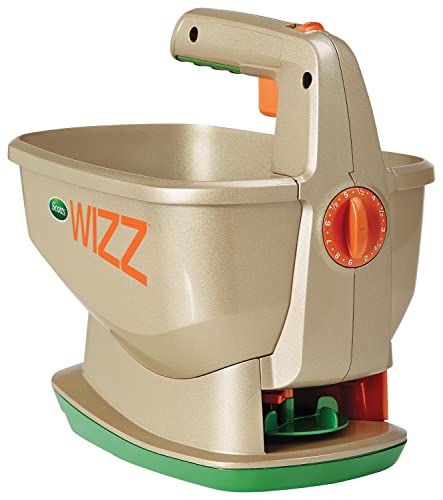
Scotts Wizz Handheld Spreader
Fine clover seed spreads far more evenly from a handheld broadcaster than by hand — 23 settings dial in the tiny seed.
As an Amazon Associate, Measure Lawn earns from qualifying purchases. We only suggest products we'd use ourselves; the price you pay is the same.
If clover showed up uninvited and you'd rather have plain grass, that's a different job. See how to get rid of clover in a lawn →
Measure your real lawn free on satellite imagery in 2 minutes, then the calculator above gives your precise seed total — no guesswork, no waste.
Measure my lawn free →Clover lawn questions, answered
How much clover seed do I need per 1,000 square feet?
For a pure white/Dutch clover lawn, about 2–4 oz per 1,000 sq ft (roughly 6–8 lb per acre). Microclover uses far less — about 1–2 oz per 1,000 for a new lawn and 0.5–1 oz to overseed. In a grass-clover blend, keep microclover to about 5% of the seed by weight. Clover seed is tiny, so a little covers a lot.
Does clover really fix nitrogen, and does that mean I never fertilize?
Yes. Clover roots host Rhizobium bacteria that convert nitrogen from the air into plant-available form — roughly 1–2 lb of nitrogen per 1,000 sq ft per year. You should not add nitrogen fertilizer: extra N just makes grass crowd out the clover and is wasted. Phosphorus, potassium and lime are still fine if a soil test calls for them.
Will weed killer hurt my clover lawn?
Yes — and there is no recovery. Clover is a broadleaf plant, so any broadleaf herbicide (2,4-D, dicamba, MCPP/mecoprop, triclopyr, quinclorac) and every weed-and-feed will kill it. On a clover lawn you weed culturally: mow high, keep the stand thick, and hand-pull or spot-treat with a shielded applicator.
What's the difference between microclover and regular white clover?
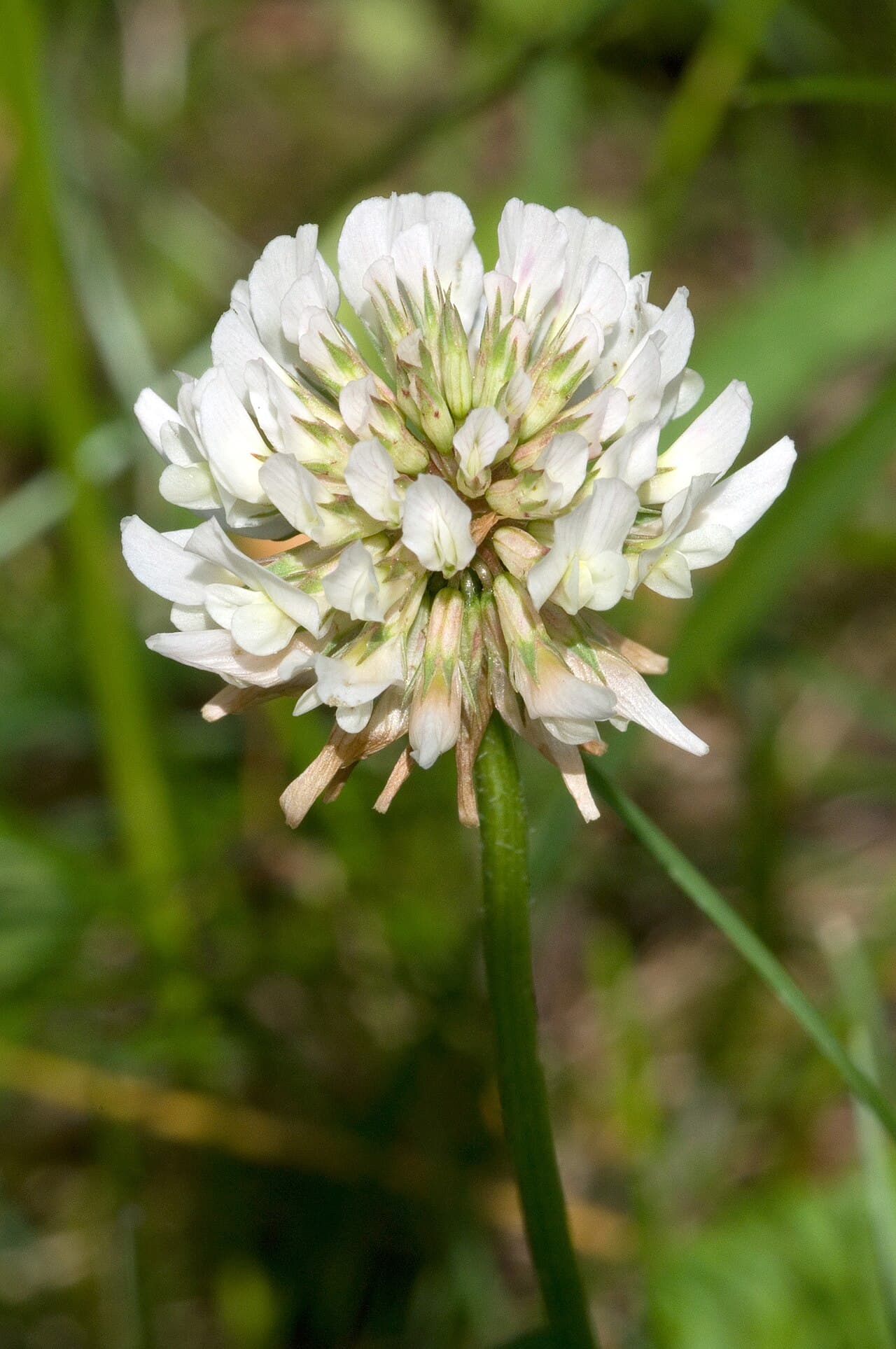
Microclover is just dwarf cultivars of white clover (same species). It has smaller leaves, far fewer flowers when mown, a lower, more even habit, and spreads less — so it blends into turf for a uniform, lawn-like look. Standard white/Dutch clover has bigger leaves, flowers heavily May–September, grows taller and looks more rustic and patchy.
How long does a clover lawn last — do I have to reseed?
Clover is a short-lived perennial. A pure clover lawn typically needs reseeding every 2–3 years, and microclover in a blend usually needs a light overseed about every year to stay abundant (per University of Maryland Extension). In a grass-clover blend, white clover often reseeds itself from its flowers.
Will a clover lawn attract bees — is it safe for kids and pets barefoot?
Clover flowers do attract bees, which is a plus for pollinators, but sting risk is low — bees are foraging, not aggressive, and stings mostly happen only if one is stepped on. University of Minnesota turf research rates the risk as low. Mow a day or two before barefoot play to remove flowers (it keeps bee activity down for about 10 days), and weigh it seriously only if someone has a bee-sting allergy.
When is the best time to plant clover?
When soil is consistently 50–60°F or warmer. The best window is late summer to early fall (about mid-August–September): warm soil, cooling air, fall rain and little weed competition. Spring (April–May, after the soil warms) also works but brings more weed pressure. Avoid midsummer heat and imminent frost.
How long does clover take to germinate and fill in?
Germination is about 7–14 days (often under a week when soil is above ~59°F). An overseeded lawn fills in over roughly 6–8 weeks; a pure stand from bare soil takes about 3–4 months. Plan on one full growing season for a mature, dense lawn.
Can I just throw clover seed on my existing lawn?
It works far better with a little prep. Mow short and bag clippings, dethatch/aerate and rake to expose soil, skip any pre-emergent or weed-and-feed, broadcast inoculated seed mixed with sand, lightly rake in, and keep it moist. Seed tossed onto thatch or uncut grass mostly fails to make soil contact.
Does clover hold up to foot traffic and dogs?
Pure clover does not handle heavy foot traffic, sports or hard-running dogs well — it goes uneven and sparse. A grass-clover blend takes light-to-moderate traffic much better and is the right choice for active yards. Bonus for dog owners: clover does not get the nitrogen "burn" urine spots grass does.
Is clover good for drought and shade?
It stays green a little longer than grass early in a dry spell and needs less water normally, but it is not truly drought-proof — in sustained heat it browns and can die back without fully recovering, and cool-season clover goes dormant in summer heat (notably in the transition zone). It also needs ~4+ hours of sun and thins badly in shade.
Will my HOA allow a clover lawn?
Maybe not. Many HOAs and municipal "weed" ordinances treat clover as a weed or require uniform turf, and a flowering pure-clover lawn can read as weedy to neighbours. A neat microclover-in-grass blend kept mown at 3–4 inches is the safest bet where rules are strict — check your covenants first.
Go deeper
Sources
- University of Maryland Extension — Lawns and Microclover
- Penn State Extension — White Clover (Trifolium repens)
- University of Minnesota Turf — Bee lawns and sting risk
- Piedmont Master Gardeners — Using Dutch White Clover in Lawns
- Oregon State University Extension — Practical Lawn Establishment (EC-1550)
- West Coast Seeds — Micro Clover seeding rates
Photographs via Wikimedia Commons under Public Domain or Creative Commons licences; each image is credited to its author beneath it. This guide is general information, not a guarantee of results — local conditions vary.