Lawn Care in Arkansas: Your Complete 2026 Guide
Arkansas’s humid climate supports both warm and cool-season grasses. Bermuda and Zoysia thrive in the southern lowlands, while Tall Fescue is the go-to for the cooler Ozark region in the northwest.
Get your free Arkansas lawn care plan in under 2 minutes
Measure My LawnBest Grass Types for Arkansas
Arkansas falls in the transition zone (USDA Zone 7), which means warm-season grasses dominate. Here are the most common grass types for Arkansas lawns:
Bermuda Grass
Tall Fescue
Zoysia Grass
Also viable: Centipede Grass, Kentucky Bluegrass
Monthly Lawn Care Calendar for Arkansas
Based on Bermuda Grass in the transition zone. Spring soil temperatures in Arkansas average 55°F, meaning your pre-emergent window typically opens in March or early April.
- •Water Your Lawn
- •Winter Dormancy Care
- •Water Your Lawn
- •Winter Dormancy Care
- •Apply Pre-Emergent Herbicide
- •Spring Clean-Up
- •Spring Clean-Up & Dethatch
- •Water Your Lawn
- •Mow to 1.0-1.5 Inches
- •Post-Emergent Weed Control
- •Spring Green-Up Fertilizer
- •Ensure 0.75 Inches Per Week of Water
- •Mow to 1.0-1.5 Inches
- •Summer Fertilizer (May Application)
- •Ensure 0.75 Inches Per Week of Water
- •Grub Preventive Application
- •Monitor for Pests & Disease
- •Monitor for Disease & Stress
- •Mow to 1.0-1.5 Inches
- •Ensure 1.5 Inches Per Week of Water
- •Monitor for Disease & Stress
- •Mow to 1.0-1.5 Inches
- •Ensure 1.5 Inches Per Week of Water
- •Monitor for Disease & Stress
- •Mow to 1.0-1.5 Inches
- •Ensure 1.5 Inches Per Week of Water
- •Fall Fertilizer
- •Mow to 1.5-2.0 Inches
- •Ensure 0.75 Inches Per Week of Water
- •Mow to 1.5-2.0 Inches
- •Ensure 0.75 Inches Per Week of Water
- •Leaf Cleanup
- •Water Your Lawn
- •Final Leaf Pass Before Winter
- •Water Your Lawn
- •Winter Dormancy Care
When to Apply Crabgrass Preventer in Arkansas
Crabgrass seeds germinate when soil temperatures hit 52–55°F for 3 consecutive days. To stop crabgrass before it sprouts, apply pre-emergent herbicide when soil hits 50°F — about a week before germination. Arkansas's spring soil typically averages 55°F, so the Arkansas pre-emergent window opens in mid-March to early April.
Quick rule for Arkansas: Apply when forsythia is in full bloom or when local soil temp reads 50°F at 4" depth. If you miss the window and crabgrass is already up, switch to a post-emergent crabgrass killer (quinclorac).
Want the precise day? Our pre-emergent timing guide uses live soil temperature data from your zip code, and the soil temperature tool shows the current 4" soil temp anywhere in Arkansas. For this week's readings across Arkansas, see Arkansas Weed Watch.
Top Weeds in Arkansas
These are the most problematic weeds in the south central region. Timing your pre-emergent application to soil temperature is the most effective prevention strategy.
Crabgrass (smooth)
Grassy annual · Germinates at 55-65°F soil temp
Crabgrass (large/hairy)
Grassy annual · Germinates at 60-70°F soil temp
Henbit
Broadleaf annual · Germinates at 50-60°F soil temp
Nutsedge (yellow)
Sedge · Germinates at 60-70°F soil temp
Nutsedge (purple)
Sedge · Germinates at 70-80°F soil temp
Stop these weeds before they start
Pre-emergent herbicides are the most effective prevention — timed to your soil temperature.

Scotts Halts Crabgrass & Grassy Weed Preventer
Beginner friendly
The Andersons Barricade Professional-Grade Granular
Beginner friendly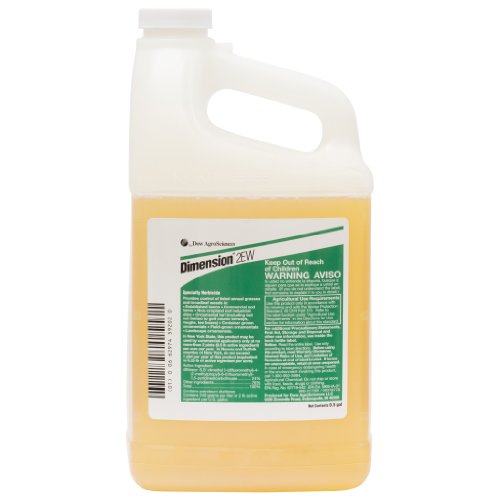
Dimension 2EW (Dithiopyr)
Liquid concentrate; 64 oz half gallon; mix with water and spray
As an Amazon Associate, Measure Lawn earns from qualifying purchases.
Got Weeds?
Snap a photo and we’ll identify your weed, then give you treatment options for free.
Identify My WeedsCommon Lawn Diseases in Arkansas
Brown Patch
Symptoms: Circular patches 6 inches to several feet in diameter with tan, dead grass in the center and a darker brown or purplish border (smoke ring effect). In early stages, affected turf appears water-soaked ...
Prevention: Maintain adequate potassium, avoid excessive nitrogen in warm months, improve air circulation, ensure proper drainage, and water deeply but infrequently in early morning.
Gray Leaf Spot
Symptoms: Small, tan or gray lesions with dark red or purple borders on leaf blades. Spots are roughly rectangular and may have a tan, papery center. Severe infections cause leaves to wither; large areas of tur...
Prevention: Use resistant varieties of ryegrass or fescue. Maintain proper mowing height and nitrogen balance. Ensure good drainage and air circulation. Water only soil in early morning.
Take-All Root Rot (Take-All Patch)
Symptoms: Circular or irregular patches 1–4 feet in diameter that wilt and turn yellow or brown despite adequate moisture. Affected turf thins and dies. Roots are blackened, rotted, and easily pulled from the s...
Prevention: Maintain soil pH between 6.0–7.0. Ensure excellent drainage and proper aeration. Avoid high nitrogen fertilization. Select resistant varieties (some ryegrass and fescue cultivars have tolerance). Redu...
Fungicides for Arkansas lawn diseases
Fix watering and mowing first — then treat or prevent active disease with a labeled lawn fungicide.
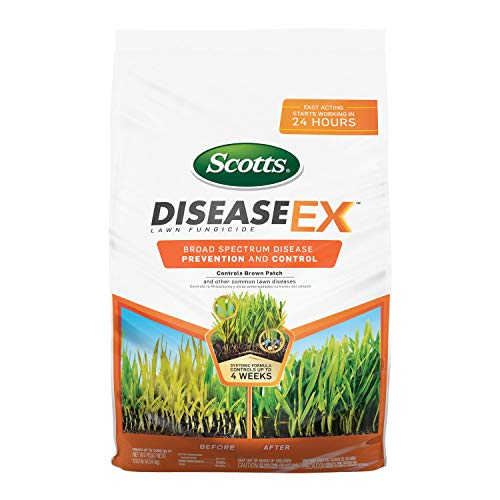
Scotts DiseaseEx
Beginner friendly
Spectracide Immunox Fungus Plus Insect Control for Lawns
Beginner friendlyReady-to-spray hose-end; also controls listed insects

BioAdvanced Fungus Control for Lawns (Primary Liquid Fungicide)
Beginner friendlyAs an Amazon Associate, Measure Lawn earns from qualifying purchases.
Soil Temperature Triggers for Arkansas
With Arkansas's average spring soil temperature of 55°F, here are the key temperature thresholds that drive your lawn care timing:
| Task | Temp | Direction | Why It Matters |
|---|---|---|---|
| Apply crabgrass pre-emergent (granular) | 50°F | Rising | Apply as soil climbs through 50-55°F — crabgrass starts germinating once soil holds near 55°F for several consecutive da... |
| Warm-season spring fertiliser (bermuda/zoysia) | 65°F | Rising | Green-up application when soil reaches 65°F for warm-season grasses |
| Grub preventive (GrubEx) | 60°F | Rising | Apply before grub eggs hatch, typically June when soil reaches 60°F |
| Post-emergent broadleaf weed control | 60°F–80°F | Rising | Air temperature critical: avoid application above 85°F (herbicide damage risk) |
| Warm-season dormancy begins | 0°F–55°F | Falling | Warm-season grass dormancy when soil drops below 55°F |
| Warm-season spring greenup begins | 60°F–65°F | Rising | Warm-season grass emerges from dormancy at 60-65°F soil temp |
| Potassium winterizer (warm-season — no nitrogen) | 65°F–70°F | Falling | About 4-6 weeks before your first fall frost, apply a potassium-only fertiliser (such as 0-0-60 muriate of potash at 1.6... |
| Fall pre-emergent (annual bluegrass & winter weeds) | 70°F | Falling | Annual bluegrass (Poa annua) and winter broadleaf weeds germinate as soil cools below 70°F in early fall. Apply pre-emer... |
Check Your Soil Temperature
Enter your ZIP code to see current soil temperature estimates and which lawn care tasks are active right now in your area.
Soil Temperature Tracker
Enter your ZIP code to see your soil temperature curve and treatment timing
Lawn Care FAQs
How do I know what grass type I have?
Take a photo of a single grass blade and compare it to your region's common grasses online, or pull out a small section and show it to your local garden center. The easiest way is to check what your lawn builder or previous owner planted—most lawns in a region have 1–2 standard types.
When is the best time to start lawn care?
Spring (when grass first greens up) is ideal because the grass is actively growing and will respond to your care. Fall is the second-best time. You can start anytime, but spring gives fastest visible results.
Do I need a soil test before doing anything?
It's the single best investment for a new lawn manager—a $30 test tells you your pH, nutrient levels, and what fertilizer you actually need. Without it, you're guessing and might waste money. Most universities offer cheap tests through their extension service.
Can I fix my lawn without replacing the whole thing?
Yes. Most lawn problems improve with correct mowing, watering, and targeted fertilizer within 1–2 seasons. Only bare patches larger than 5 square feet or complete dead zones typically need reseeding or patching.
What's the most important thing I can do to improve my lawn fast?
Mow at the right height for your grass type—this single action solves 40% of lawn problems because taller grass shades weeds, holds water better, and has deeper roots. Fix your mower height before buying anything else.
Ready to start your Arkansas lawn care plan?
Measure your lawn on satellite imagery and get a personalized 12-month care calendar with exact product quantities. Free, no account required.
Measure My Lawn — It's Free